
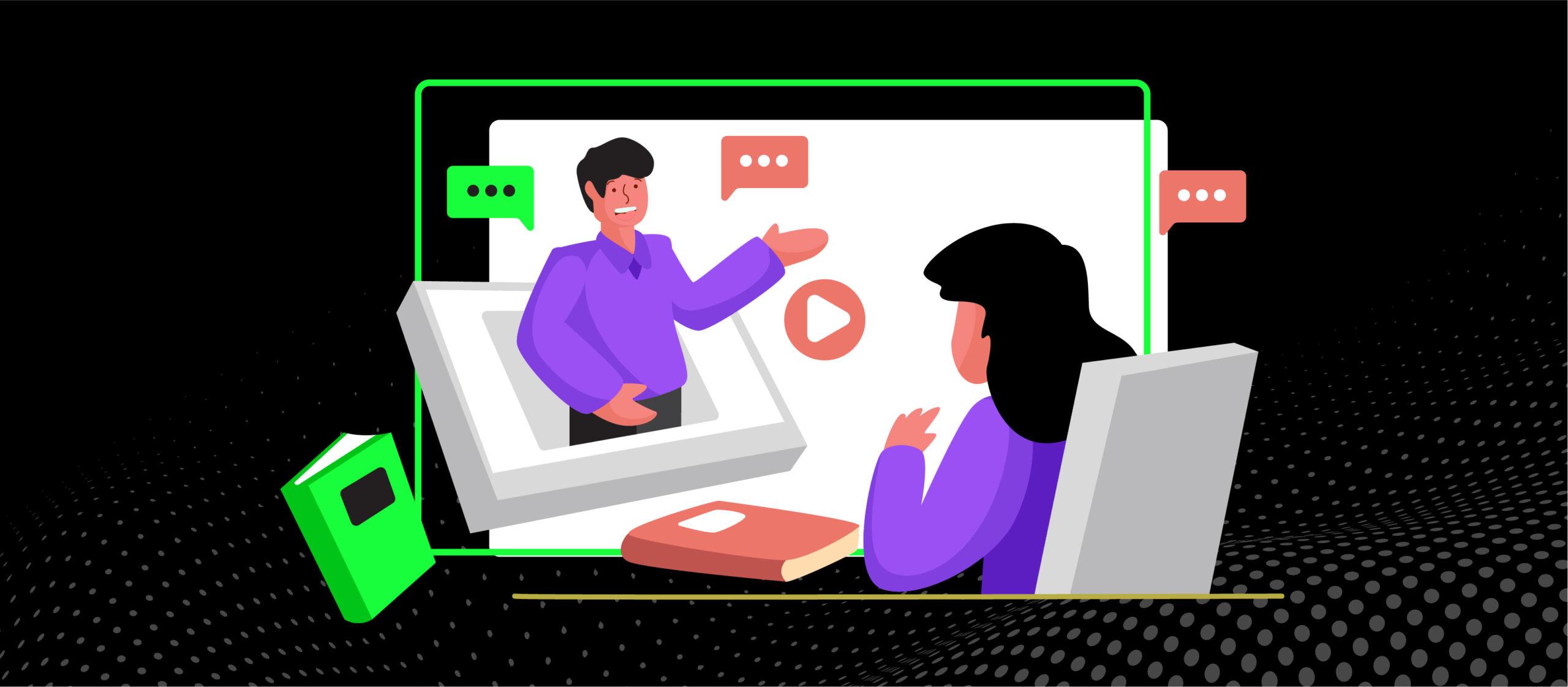
UX Designer in EdTech: Revolutionizing Digital Learning Experiences
Are you passionate about technology, education, and design? A career as a UX Designer in EdTech might be your perfect fit. As educational institutions increasingly rely on digital platforms, the demand for user-centered digital experiences in universities, colleges, and schools is on the rise. In this article, we’ll dive deep into what it means to be a UX Designer in Education Technology, key responsibilities, the skills you’ll need, benefits of the role, and actionable steps to land your dream job in this exciting field.
Introduction to UX Design in Educational Technology
The role of a UX Designer in EdTech is at the vibrant intersection of education, technology, and design. These professionals are responsible for creating intuitive, effective, and engaging digital learning experiences for students, educators, and administrators. From developing interactive learning modules to enhancing online classroom usability, UX Designers play a crucial part in revolutionizing digital learning environments across universities, colleges, and K-12 schools.
Why Educational Institutions Need UX Designers
With the rapid growth of e-learning platforms, Learning Management Systems (LMS), and digital classroom solutions, educational institutions are prioritizing seamless user experiences. Here’s why UX Designers are integral to EdTech initiatives:
- Enhanced Engagement: UX Designers ensure that digital tools keep students motivated and engaged throughout their learning journey.
- Accessibility: They create interfaces that cater to diverse learning needs, including students with disabilities.
- Increased Retention: User-kind platforms help reduce frustration, increasing student retention and course completion rates.
- Effective Instruction: Intuitive systems empower teachers to focus on teaching, rather than troubleshooting technology.
- Competitive Advantage: Institutions with superior digital experiences attract and retain both students and faculty members.
Key Responsibilities of a UX Designer in EdTech
If you pursue a UX Designer job in education technology, your daily tasks may include:
- Conducting user research to understand the needs and behaviors of students, teachers, and staff.
- Designing wireframes, prototypes, and user flows for new EdTech tools or platform enhancements.
- Collaborating with instructional designers, developers, administrators, and end-users.
- Testing digital products with real users and iterating based on feedback.
- Ensuring adherence to accessibility standards (e.g., WCAG) to create inclusive educational experiences.
- Analyzing usage data and feedback to drive continuous betterment.
- Staying updated with the latest trends in education technology UX design.
Common Digital Products Designed by EdTech UX Designers
- Learning Management Systems (LMS)
- Mobile learning applications
- Virtual classrooms and video conferencing tools
- Assessment and feedback platforms
- Interactive e-textbooks and digital libraries
- Administrative tools and dashboard interfaces
Skills and Qualifications for UX Designer Jobs in EdTech
Universities,colleges,and schools look for a mix of technical and soft skills in EdTech UX designers. Aspiring candidates should possess:
- UI/UX Design Fundamentals: Proficiency with design tools (Figma, Sketch, Adobe XD) and principles (typography, color, layout).
- User Research: Experience conducting interviews, surveys, usability tests, and synthesizing findings.
- Prototyping: Ability to create both low- and high-fidelity prototypes for web and mobile experiences.
- Accessibility Expertise: Knowledge of inclusive design and accessibility guidelines.
- Cross-functional Collaboration: Effective communication with educators, developers, and stakeholders.
- Problem-Solving: Creative approaches to address diverse educational challenges.
- Attention to Detail: Ensuring intuitive and error-free interactions for users of varying technical abilities.
- Understanding of Pedagogy: Bonus points for awareness of educational methodologies and learning science.
Education & Experience
- bachelor’s degree in Design, Human-Computer Interaction, Cognitive science, Education Technology or a related field.
- Portfolio showcasing UX design projects, ideally with examples from EdTech or education-related platforms.
- Prior experience in a school, university, or EdTech company is an advantage, but not always mandatory.
Benefits of Being a UX Designer in EdTech
Pursuing a UX design career in educational technology offers unique advantages:
- Purposeful Impact: Contribute to the accessibility and quality of education for diverse learners.
- Creative Freedom: Solve complex challenges using technology and human-centered design.
- Job stability: The rise in remote learning and digital transformation in education ensures strong demand.
- Collaborative Environment: Work with passionate educators, administrators, and technologists.
- Professional Growth: Educational institutions invest in ongoing training and upskilling.
Practical Tips for Getting a UX Designer Job in Education Technology
Ready to start your journey as a UX Designer in EdTech? Here are actionable steps to set yourself apart:
- Build a Targeted Portfolio: Create case studies focused on improving digital learning products or simulating solutions for real education problems.
- Learn About Pedagogy: Study how people learn and the challenges teachers and students face in digital environments.
- Stay Updated with EdTech Trends: Follow industry blogs, attend EdTech conferences, and participate in online communities.
- Network with Education Professionals: Connect with instructional designers, EdTech product managers, and faculty members via LinkedIn or university fairs.
- Tailor Your Request: Highlight your understanding of inclusive design and accessibility in your resumes and cover letters.
- Gain Real Experience: Volunteer for digital learning projects at nonprofit organizations, or contribute to open-source edtech tools.
- Showcase Measurable Outcomes: Use your portfolio and interviews to demonstrate how your design improvements impacted user engagement or learning outcomes.
What to Expect in the Application Process
- Portfolio Review: Institutions will likely request detailed walkthroughs of your portfolio projects.
- Practical Assignments: You might potentially be asked to solve a real-world design challenge relevant to digital learning platforms.
- behavioral Interviews: You’ll discuss your collaboration, communication, and problem-solving skills.
- Technical interviews: Some schools or universities may evaluate your design thinking, user research, and prototyping abilities.
- Culture Fit: You’ll need to show enthusiasm for educational missions and adapt your design process to serve educators and learners.
Future Trends and Opportunities for EdTech UX Designers
The field of UX Design in educational technology is rapidly evolving. As universities and schools adopt technologies like artificial intelligence, gamification, and immersive VR/AR learning, skilled designers are needed more than ever to create seamless and effective experiences.Remote and hybrid learning models are expanding, and with them the demand for user-centric solutions in the academic sector.
- Multimodal Learning Interfaces: Designing for a variety of devices, including smartphones, tablets, and VR headsets.
- Personalized Learning Paths: Leveraging user data to tailor content and assessment.
- Universal Design for Learning (UDL): Creating resources that benefit all users, nonetheless of ability.
Conclusion: Embark on Your EdTech UX Design Journey
Becoming a UX Designer in EdTech at universities, colleges, or schools positions you at the forefront of digital transformation in education.you’ll have the rewarding responsibility of making learning more engaging, accessible, and effective for students and educators worldwide. By developing the right skills, building a strong portfolio, and understanding the unique needs of educational institutions, you can launch a fulfilling and impactful career that shapes the future of learning. start your journey today and play your part in revolutionizing digital learning experiences!