
UX Designer in EdTech: Revolutionizing Online Learning Through User Experience
In the rapidly evolving world of education technology, universities, colleges, and schools are investing heavily in online learning platforms that are engaging, effective, and accessible to all students. At the heart of these innovations lies the critical role of the UX Designer in EdTech. If you’re a job seeker passionate about both design and education, a career as a UX designer in educational technology could be your prospect to make a lasting impact on learners worldwide. This article will guide you through the essentials of this exciting career path, highlighting the roles, benefits, skills, and practical tips for success in EdTech UX design.
What Does a UX Designer in EdTech Do?
A UX Designer (User Experience Designer) in education technology is responsible for creating intuitive, accessible, and engaging digital learning experiences. Whether working in universities, colleges, or K-12 schools, UX designers ensure that learning management systems (LMS), educational apps, and othre digital resources are tailored to enhance user engagement and learning outcomes.
- Conducting user research with students, faculty, and administrators
- Creating wireframes, prototypes, and user flows for online education platforms
- Collaborating with developers, instructional designers, and curriculum experts
- Conducting usability testing and implementing user feedback for continuous enhancement
- Ensuring all digital platforms are accessible to users with varying abilities
In short, a UX Designer in EdTech acts as the bridge between innovative technology and the end-users—students and educators—crafting experiences that support effective and enjoyable learning.
Key Skills Required for a UX Designer in EdTech
To thrive as a UX Designer in the education sector, you’ll need a unique blend of design expertise, empathy for users, and an understanding of digital pedagogy. Here are some essential skills and competencies:
- User-Centered Design: ability to put the needs and behaviors of learners first in every stage of the design process.
- accessible Design: Knowledge of WCAG and accessibility standards to ensure equitable learning opportunities for all.
- Proficiency in Design Tools: skilled in tools like Figma, Sketch, adobe XD, and prototyping software.
- User Research Methods: Experience conducting interviews, surveys, and usability tests with diverse educational stakeholders.
- Collaborative Mindset: Teamwork skills to work effectively with educators, developers, and stakeholders in education technology projects.
- Understanding of Learning Theories: Familiarity with online learning pedagogies and instructional design principles.
- Data-Driven Approach: Ability to analyze user data to inform design decisions and measure impact.
How UX Designers Are Revolutionizing Online Learning
Online learning has transformed education, but it is not without its challenges—such as engagement barriers, accessibility issues, and digital fatigue. UX designers are tackling these issues by:
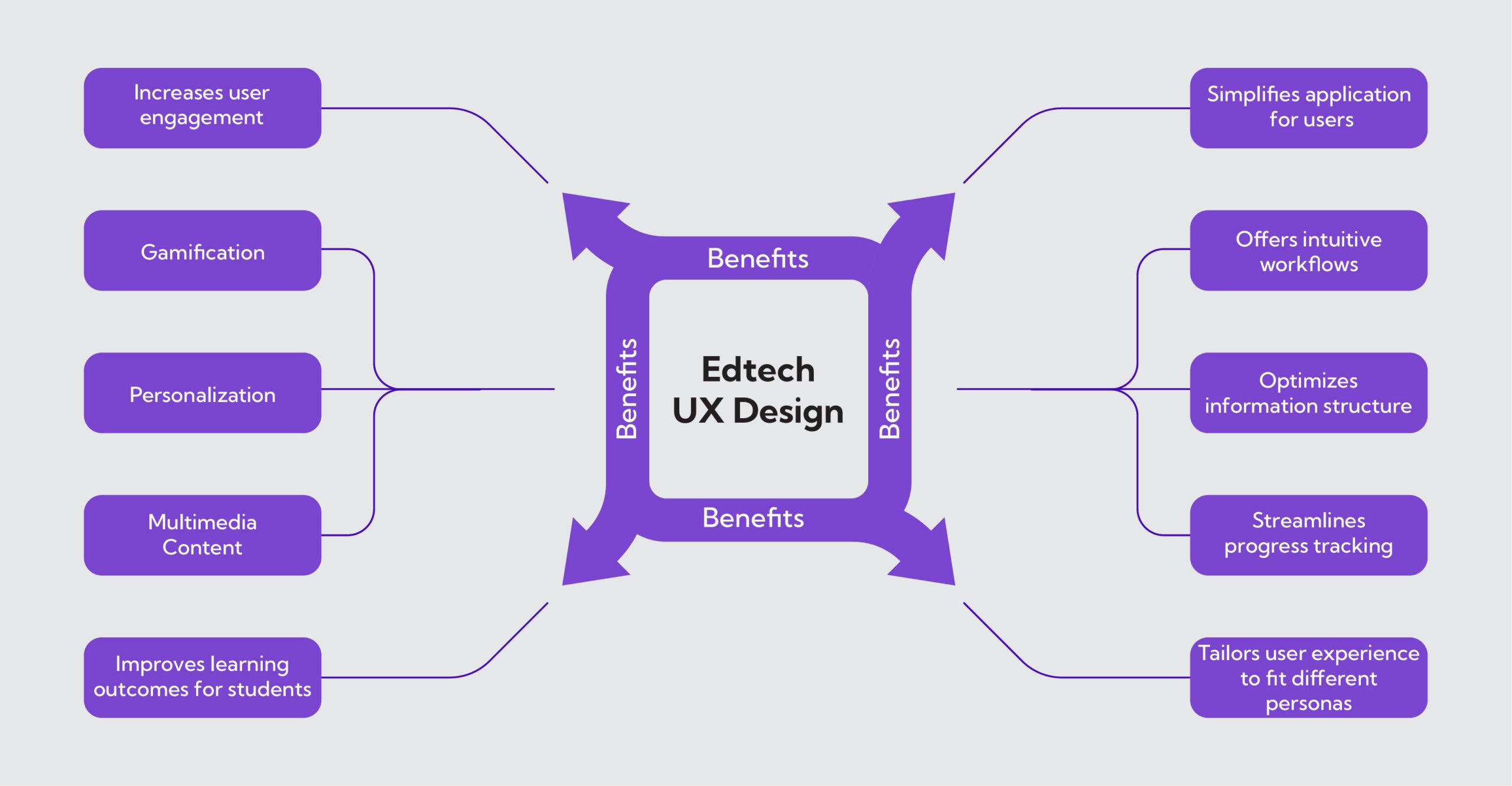
- Enhancing Engagement: Designing interactive interfaces, gamified experiences, and personalized learning pathways to keep students motivated.
- Making Learning Accessible: Ensuring platforms are usable by everyone, including students with disabilities, through thoughtful inclusive design.
- Streamlining Navigation: Simplifying interfaces and institution of content so users can focus on learning, not figuring out the platform.
- Supporting Educators: creating tools that empower teachers to deliver rich,adaptive,and efficient online instruction.
- Optimizing for All Devices: Designing responsive platforms that operate seamlessly on computers, tablets, and mobile devices.
The positive impact of dedicated UX in EdTech is felt across all aspects of the digital learning journey—from log-in screens to interactive tutorials and assessments.
Why Choose a Career as a UX Designer in EdTech?
The demand for skilled UX Designers in educational technology is growing. Here’s why this path is both rewarding and future-proof:
- meaningful Impact: Your work directly shapes how learners access and benefit from education globally.
- Ample Opportunities: With the #EdTech industry expanding rapidly, especially post-pandemic, universities and schools are continually hiring talented designers.
- Continuous Innovation: Work on cutting-edge solutions like AI-driven tutoring systems, adaptive learning platforms, and virtual classrooms.
- Collaborative Surroundings: Engage with multidisciplinary teams dedicated to improving education outcomes.
- Professional Growth: Numerous pathways for advancement, from UX Lead to Product Design roles, or even strategy and management positions.
Typical Job Requirements in UX Design for EdTech
If you’re aiming for a UX Designer role in EdTech,expect job postings to look for:
- Bachelor’s degree in design,human-computer interaction,psychology,education technology,or related fields
- Portfolio demonstrating experience with digital product or education platform design
- Expertise with user research and usability testing practices
- Experience collaborating in Agile or similar cross-functional teams
- Familiarity with accessibility standards and compliance
- Strong communication and presentation skills
Some roles,especially for senior or specialized positions,may also require:
- Master’s degree or advanced certification in UX,interaction design,or education technology
- Experience with learning management systems (LMS) or education-specific platforms
- Knowledge of coding (HTML,CSS,JavaScript) for closer collaboration with developers
Practical Tips for Getting Hired as a UX Designer in EdTech
Landing your dream UX job in education technology requires more than just a polished resume. Here’s how to stand out:
- Build an EdTech-Focused Portfolio: Highlight projects that solve real educational problems—whether classroom tools, LMS redesigns, or e-learning modules.
- Showcase User Research: Document your process for understanding learners and educators, not just the final design.
- Stay Updated: Follow trends in online education, accessibility, and instructional technology.
- Network with EdTech professionals: Attend webinars, conferences, and join online communities centered on education design.
- Pursue Certifications: Consider UX, accessibility, or education technology credentials to enhance your credibility.
- customize Your Submission: Tailor your resume and cover letter to highlight your passion for education and experience with similar platforms.
above all, demonstrate genuine commitment to empowering students and educators through thoughtful user experience design.
The Future of UX Design Careers in Education Technology
As learning becomes increasingly digital in universities, colleges, and schools, the role of the UX Designer in EdTech is only set to expand. These professionals will be at the forefront of:
- Integrating artificial intelligence for personalized learning experiences
- Developing tools for virtual and augmented reality classrooms
- Ensuring data privacy and ethical use of student data
- Championing inclusivity and worldwide design standards
By staying proactive and informed, you can carve out a sustainable and impactful career in this vibrant industry.
Conclusion
For job seekers eager to blend creativity, technology, and education, the position of UX Designer in EdTech offers a unique opportunity to revolutionize online learning at universities, colleges, and schools. By focusing on the user experience,you help ensure educational technologies are inclusive,engaging,and effective for all learners.As EdTech continues to reshape how we teach and learn, skilled UX designers will play a critical role in building a better, more accessible future for education. Start building your skills and network today, and become part of the next generation of leaders in education technology design.