
UX designer in EdTech: Shaping Engaging Learning Experiences for the Future
The evolution of educational technology has transformed how learners and educators interact with content at universities,colleges,and schools.As digital learning platforms become more integral to education, the role of the UX Designer in EdTech is emerging as a cornerstone in creating inclusive, effective, and engaging learning experiences. If you’re a job seeker passionate about blending user experience (UX) design with education, read on to discover how you can shape the future of learning in the sector.
Why UX Design is Crucial in EdTech
Today’s learners expect intuitive and meaningful digital experiences, whether they’re accessing course materials, submitting assignments, or collaborating with peers. Poor user experience can hinder learning,cause frustration,and reduce engagement. This is where UX designers in EdTech step in—transforming complex educational tools into accessible, delightful products that foster learning success.
- Student-Centric Design: UX designers advocate for needs of students, ensuring digital platforms support diverse learning styles and abilities.
- Faculty Empowerment: EdTech products must be intuitive for educators, empowering them to deliver and manage content effortlessly.
- Accessibility: Inclusion is key—a UX designer ensures products meet accessibility standards for all users.
Key Responsibilities of a UX Designer in EdTech
Working in educational technology at a university, college, or school, the responsibilities of a UX designer go beyond standard interface design:
- Conducting User Research: Interview students, faculty, and administrators to understand their needs, pain points, and preferred workflows.
- Designing Wireframes and Prototypes: Develop wireframes, user flows, and interactive prototypes for digital learning environments, ensuring seamless navigation.
- Usability Testing: Facilitate usability sessions to validate design decisions, gathering feedback for continuous betterment.
- Collaborating with Cross-Functional teams: Work alongside product managers, developers, instructional designers, and content creators to shape holistic EdTech solutions.
- iterating Based on Data: Analyze user interaction data to refine and optimize the learning experience.
- Ensuring Compliance: Integrate accessibility (WCAG), privacy, and security standards into the design process.
- Staying Updated: Keep abreast of EdTech innovations, pedagogical trends, and UX best practices.
Essential Skills for UX Designers in EdTech
- User-Centered Design: Prioritize the needs and behaviors of educators and learners in all design decisions.
- Empathy and communication: Ability to empathize with diverse users and communicate effectively across multidisciplinary teams.
- Prototyping Tools: Proficient skills in Sketch, Figma, Adobe XD, or similar tools to develop prototypes rapidly.
- Usability Testing: Skillful in planning and conducting qualitative and quantitative testing sessions.
- Problem-Solving: Ability to resolve usability challenges in complex, frequently enough legacy, educational systems.
- Knowledge of Learning Theories: Understanding of how people learn is a distinct advantage for designing effective EdTech solutions.
- Accessibility: Committed to designing digital experiences that are usable by everyone, including those with disabilities.
Benefits of Working as a UX Designer in Education Technology
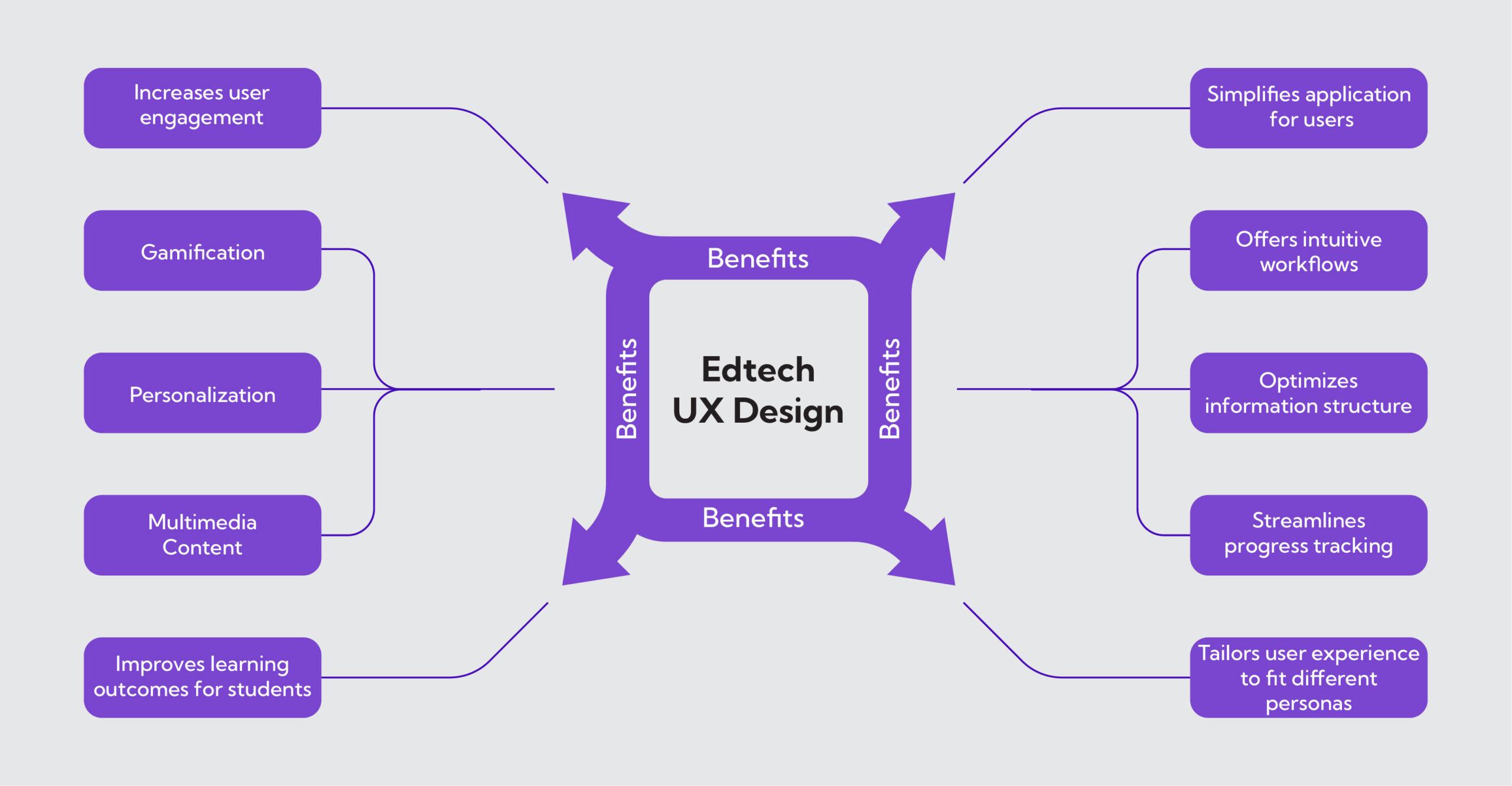
Pursuing a career as a UX designer in EdTech opens the door to a rewarding and impactful professional journey. Here are some of the compelling benefits:
- Purpose-driven Work: Directly influence educational outcomes and the way knowledge is delivered and accessed.
- Professional Growth: Opportunity to learn about both technology and education, broadening your expertise.
- Creative Freedom: Tackle unique UX challenges and craft innovative, meaningful digital experiences.
- Job Stability: The EdTech sector is rapidly expanding, with universities and schools continuously investing in digital platforms.
- positive Social Impact: Design equitable educational solutions that reach diverse learners worldwide.
Job Prospects for UX Designers in EdTech
Universities,colleges,and schools are investing heavily in digital transformation to enhance learning delivery,accessibility,and governance.Job prospects for EdTech UX designers are shining, spanning roles in:
- Internal EdTech teams within educational institutions
- EdTech startups developing learning management systems (LMS)
- Consultancies specializing in digital education solutions
- Non-profits and government initiatives focused on educational access
The demand extends across both K-12 and higher education, with responsibilities ranging from student portal design, online course platforms, AI-powered adaptive learning tools, to mobile learning applications.
How to Start Your Career as a UX designer in edtech
- Build a Strong Portfolio: Create case studies highlighting user research, problem-solving, and design outcomes relevant to education technology. include redesigns for existing platforms or conceptual EdTech projects.
- Network with Educators and EdTech Communities: Engage with faculty, attend EdTech conferences, and join online communities to gain real-world user insights and discover job openings.
- Gain Experience: Volunteer for projects at schools, universities, or non-profits to gain hands-on experience with education-related UX challenges.
- Stay Tech-Savvy: Familiarize yourself with leading educational technology platforms, learning management systems, and e-learning tools.
- Highlight Transferable Skills: Many design and UX skills apply across sectors.Emphasize empathy, problem-solving, and adaptability.
Practical Tips for Succeeding as a UX Designer in EdTech
- Understand Educational Contexts: Every institution is unique—learn their pedagogical goals, curriculum standards, and administrative needs.
- User Testing with Real Audiences: Test designs with both students and educators to capture genuine feedback and iterate effectively.
- Design for Inclusivity: Go beyond basic accessibility—consider language barriers, socioeconomic status, and varied access to technology.
- Communicate Value: Be ready to articulate how design decisions align with learning objectives and student engagement.
- Continuous Learning: Stay updated with UI/UX trends, education policies, and emerging educational technologies.
Sample Interview Questions for UX Designers in EdTech
- How would you redesign a university’s student portal for better accessibility?
- Describe a time you included students or teachers in the user research process. What did you learn?
- What unique challenges do you think exist in designing for online education versus other sectors?
- How do you measure the success of your EdTech designs?
Trends Shaping the Future of UX Design in Education Technology
Staying ahead of emerging trends will ensure your skills remain relevant.
- Gamification: Integrating game mechanics to boost student motivation and learning outcomes.
- Personalized Learning Paths: Designing adaptive interfaces that cater to individual learning speeds and preferences.
- Mobile-First Learning: Focus on mobile accessibility for remote and on-the-go learners.
- AI-powered Experiences: Collaborating with developers to create intelligent, context-aware learning tools.
- Microlearning Interfaces: Designing for bite-sized learning modules that fit into busy student schedules.
Conclusion
The role of a UX designer in EdTech at universities, colleges, and schools sits at the exciting intersection of technology, design, and pedagogy. By creating intuitive, accessible, and impactful learning environments, UX designers help shape the educational experiences of future generations. As institutions accelerate their digital transformation, demand for skilled EdTech UX professionals will only grow.Whether you’re new to UX or a seasoned designer seeking meaningful work, EdTech offers a dynamic, fulfilling path where your efforts can make a real and lasting difference in the world of education.