
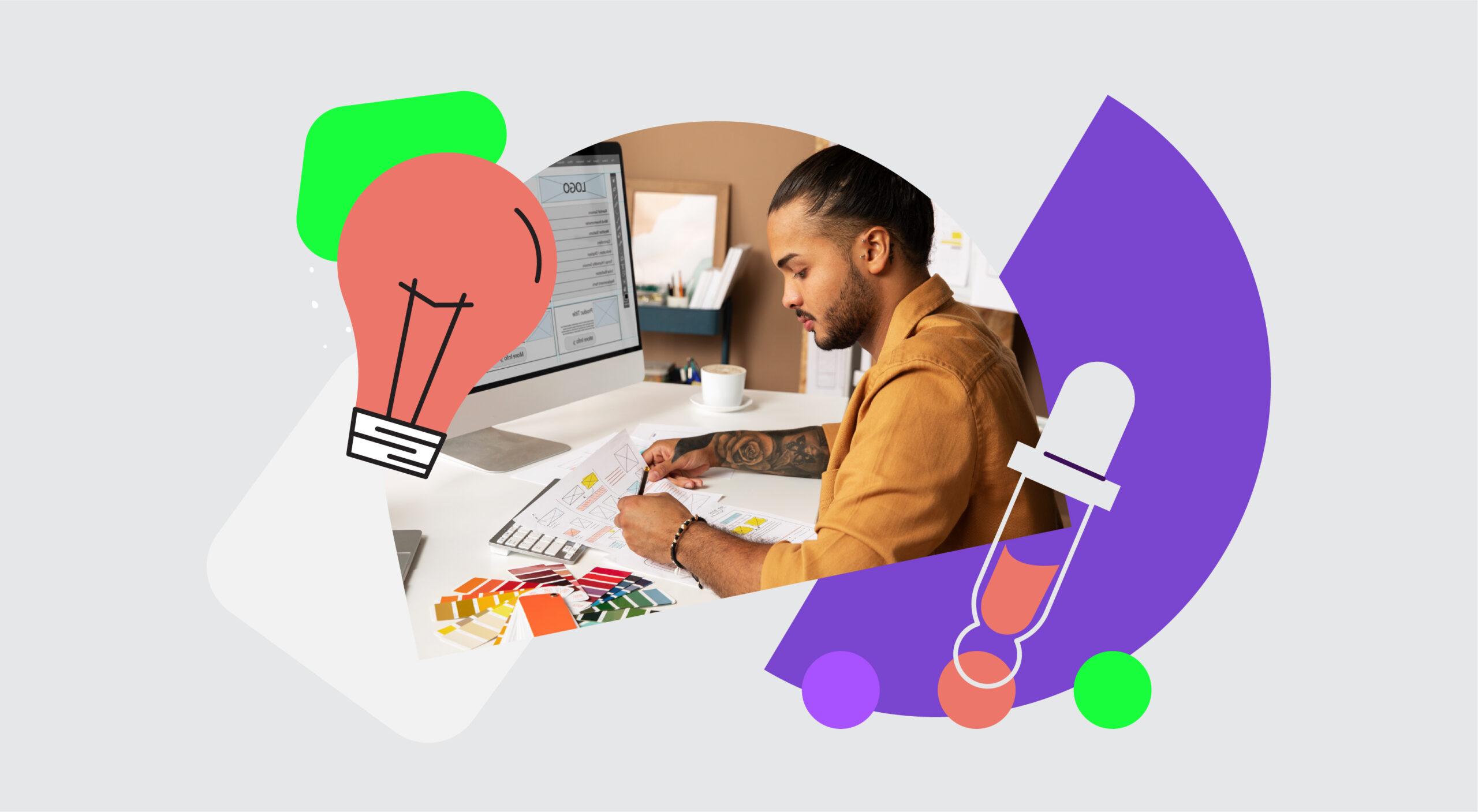
UX Designer in EdTech: Shaping Engaging Learning Experiences in Education Technology
Are you passionate about transforming education through technology and design? If you’re interested in creating intuitive, accessible, and innovative digital experiences for students and educators alike, a career as a UX Designer in EdTech coudl be the perfect fit for you. In this comprehensive guide, we’ll explore what it takes to succeed as a UX Designer in the world of educational technology, especially at universities, colleges, and schools. From the essential skills and day-to-day responsibilities to practical tips for landing your dream job, you’ll find all you need to know right here.
Understanding the Role: What Does a UX Designer in EdTech Do?
A UX Designer in EdTech focuses on shaping digital interfaces and learning platforms to ensure that educational content is engaging, accessible, and easy to use. The goal is to enhance the digital learning experience for students, educators, and administrators by applying user-centered design principles to educational tools such as Learning Management Systems (LMS), e-learning modules, and classroom technology.
Key Responsibilities of a UX Designer in Education technology
- User Research: Conduct studies, interviews, and surveys to understand the needs and challenges of students, educators, and institutional staff.
- Wireframing and Prototyping: Create wireframes, interactive prototypes, and user flows to design intuitive navigation and layout for e-learning solutions.
- Usability Testing: Test product prototypes with real users to identify pain points and gather actionable feedback for iterative design improvements.
- Collaboration: Work closely with product managers, software developers, instructional designers, and other stakeholders in the EdTech space.
- Accessibility: Ensure compliance with accessibility standards (like WCAG) to offer inclusive experiences, catering to users with different abilities.
- Visual Design: Develop visually appealing UI elements, adhering to brand and pedagogical guidelines while prioritizing user engagement.
- Continuous Improvement: Use analytics and qualitative feedback to refine EdTech platforms,increasing user satisfaction and effectiveness.
Why Consider a UX Designer Career in EdTech?
Education technology is a rapidly growing field, providing abundant opportunities for talented UX designers. Working in EdTech allows you to not onyl exercise creativity and problem-solving skills but also make a tangible difference in how learners engage with educational materials. Here are some compelling reasons to pursue a UX Designer role in education technology:
- Meaningful Impact: Improve access to quality education and help shape future generations by enhancing learning experiences.
- Job Security and Growth: The demand for user-centric design in EdTech is increasing as educational institutions invest more in digital transformation.
- Collaborative Environment: Work with passionate educators, developers, and content creators to build solutions that truly matter.
- Creative Challenge: tackle unique UX design challenges specific to learning environments, such as gamification, adaptive learning, and blended education strategies.
- Continuous Learning: Stay ahead in design trends, educational psychology, and cutting-edge technology as the landscape evolves.
Essential Skills for a UX Designer in Education Technology
To thrive as a UX designer in EdTech, you’ll need a blend of technical, creative, and interpersonal skills.Here’s a list of key skills that top employers at universities, colleges, and schools typically seek:
- User-Centered Design: Ability to empathize with users—from students of all ages to instructors and administrators—ensuring the platform meets their needs.
- Prototyping Tools: Proficiency with design tools like Sketch, Figma, Adobe XD, InVision, or Axure for creating wireframes and prototypes.
- User research Methods: Experience with interviews, usability tests, surveys, and analytics to inform design decisions.
- Accessibility Design: Strong knowledge of accessibility best practices and standards for web and mobile applications.
- Visual Design: Solid understanding of typography, color theory, and visual hierarchy to create appealing interfaces.
- Collaboration & Communication: Ability to articulate design decisions and collaborate effectively with cross-functional EdTech teams.
- Problem-Solving: Skill in analyzing complex educational scenarios and designing effective solutions for diverse learning needs.
- Understanding of Educational Theories: Awareness of pedagogical principles and learning science to support instructional goals through design.
Day-in-the-Life: Working as a UX Designer in EdTech
A typical day for a UX Designer in EdTech is diverse and dynamic. Here’s what you might expect:
- Morning: stand-up meetings with the design and development team to review project progress.
- Late Morning: conduct user research sessions with students or teachers, or review feedback collected from platform users.
- Afternoon: Create or refine wireframes and prototypes for new learning modules or feature enhancements.
- Late Afternoon: Participate in user testing, collect insights, and collaborate with instructional designers to align product goals with educational outcomes.
- throughout the Day: Engage in iterative design, respond to feedback, and collaborate with developers to ensure designs are implemented as intended.
How to Land a UX Designer Job in EdTech: Practical Tips
The path to a rewarding EdTech UX design job is competitive,but with the right approach,you can stand out. Here are practical steps to increase your chances:
-
Build a Diversified Portfolio:
- Showcase educational case studies, highlighting the UX process from research to design and testing.
- include side projects like redesigning popular educational platforms or creating your own e-learning tools.
-
Understand EdTech Ecosystems:
- Familiarize yourself with major Learning Management Systems, e-learning apps, and the specific needs of K-12, higher education, or corporate training environments.
-
Highlight Accessibility and Inclusion:
- Demonstrate commitment to making education technology accessible for all learners, including those with disabilities or special needs.
-
Network within the Education Technology Industry:
- Attend EdTech conferences, workshops, or local meetups to connect with hiring managers, educators, and fellow designers.
-
Tailor your Applications:
- Customize your resume and cover letter for each institution,highlighting relevant EdTech and UX experience.
-
Stay Current with Trends:
- Keep up with evolving trends in EdTech, such as AI-powered learning, mobile-first design, and remote classroom solutions.
Sample Interview Questions for UX Designer Roles in EdTech
Preparation is key to nailing your UX Designer interview in EdTech. Here are some common questions you might encounter:
- How woudl you approach designing a platform to support both students and educators?
- Describe a time you addressed accessibility challenges in a previous project.
- How do you measure the success of your UX designs in educational technology?
- Can you walk us through your design process for a new digital learning tool?
- How do you balance stakeholder input with user feedback when making design decisions?
Benefits of Working as a UX Designer in EdTech
Choosing a career as a UX Designer in education technology has unique benefits:
- Purpose-Driven Work: Shape the digital future of education, making a real-world difference in students’ lives.
- Diverse Team Environment: Collaborate with educators, engineers, policymakers, and administrators worldwide.
- Professional Growth: Develop skills at the intersection of technology, design, and pedagogy.
- Remote and Flexible Opportunities: EdTech roles frequently enough support flexible or remote work setups, fostering work-life balance.
- Ever-Evolving Landscape: Enjoy ongoing opportunities to innovate as new educational challenges and technologies emerge.
Conclusion: Your Next Steps to Shaping the Future of Learning
A career as a UX Designer in EdTech is both intellectually stimulating and deeply fulfilling. By focusing on user experience, accessibility, and instructional effectiveness, you have the power to transform digital education for learners across the globe. Whether you aim to work at a university, college, or school, investing in user-centered design expertise and building a robust portfolio will position you for success in the competitive EdTech field.
If you’re driven by a passion for design and education, now is the perfect time to embark on a journey that blends creativity, empathy, and innovation to shape engaging learning experiences. Explore opportunities, connect with like-minded professionals, and take the next step toward a rewarding career as a UX Designer in education technology.