
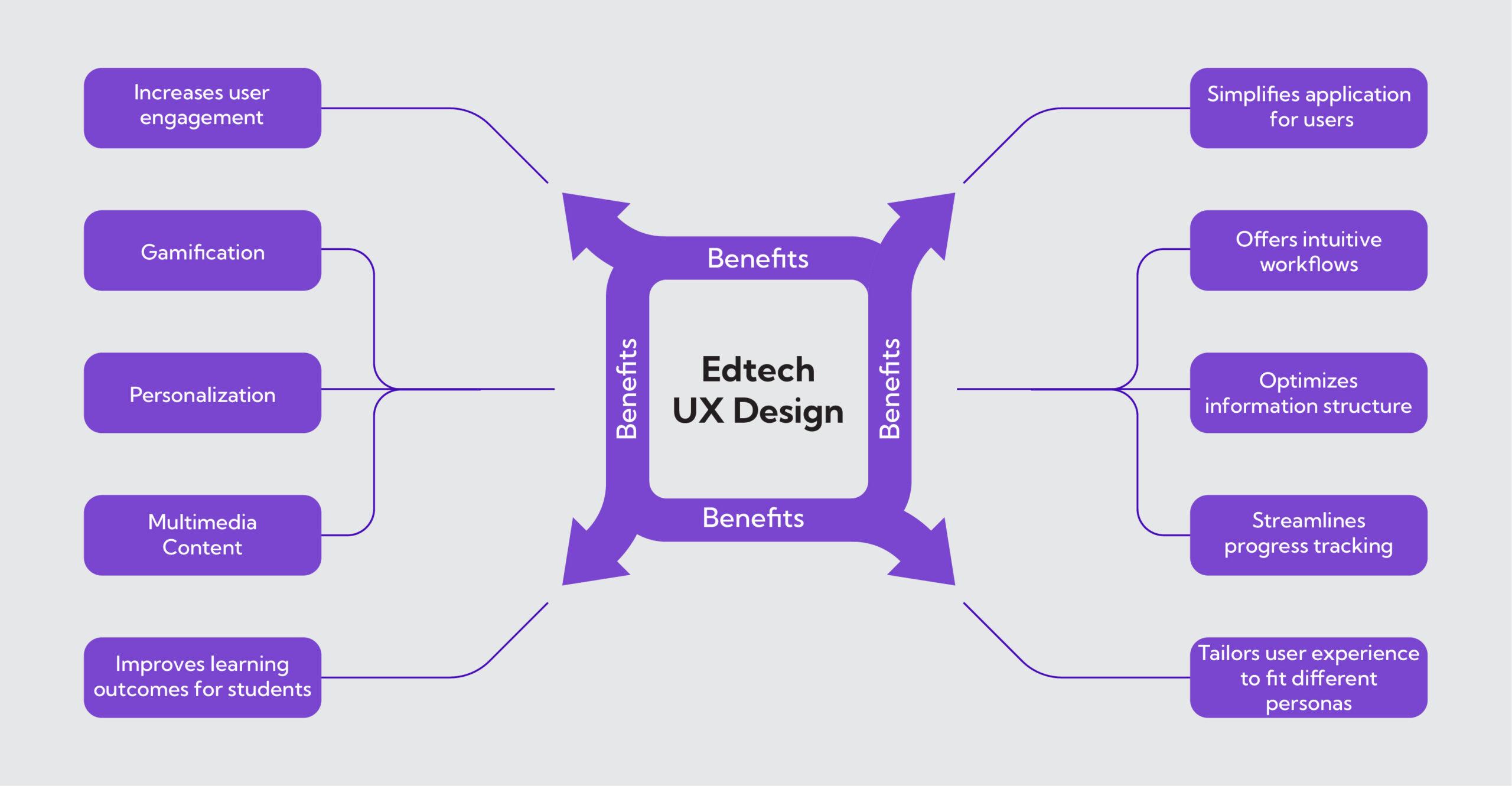
UX Designer in edtech: Transforming Learning Experiences Through User-Centered Design
Are you passionate about both education and technology, and looking to carve a career path that merges the best of both worlds? Landing a role as a UX Designer in edtech at universities, colleges, or schools could be your calling.As educational institutions increasingly prioritize student engagement, accessible interfaces, and innovative learning tools, the demand for skilled User Experience (UX) Designers in EdTech is on the rise. This comprehensive guide will illuminate what it means to be a UX Designer in educational technology, the value you can bring, and the key steps to launch your career in this impactful field.
What is a UX Designer in EdTech?
A UX Designer in EdTech focuses on enhancing digital learning environments by designing intuitive, engaging, and user-centered products for educators, students, and administrators. Whether it’s creating a seamless Learning management System (LMS), designing mobile learning apps, or developing tools for faculty, the core mission is to ensure users interact with technology in a meaningful and efficient way. At the intersection of design, technology, and pedagogy, UX designers in education create solutions that drive better learning outcomes, foster accessibility, and empower users.
Why Are UX designers Essential in education Technology?
The role of a UX Designer in EdTech has become indispensable for several reasons:
- Improved Engagement: Well-designed educational platforms keep students motivated and engaged, reducing dropout rates and boosting performance.
- Accessibility: UX Designers ensure that learning platforms are inclusive, catering to diverse learners, including those with disabilities.
- Simplified Processes: Educators frequently enough juggle multiple tools. UX Designers streamline workflows, making teaching and learning more efficient.
- Data-Driven design: By leveraging user data and feedback, UX Designers craft experiences that are continually optimized for user needs.
Core Responsibilities of a UX Designer in EdTech
Working as a UX Designer in EdTech at universities, colleges, or schools involves a dynamic blend of research, design, testing, and collaboration. Typical responsibilities include:
- Conducting user research with students, educators, and administrative staff
- Creating student personas, journey maps, and user stories
- Details architecture planning for LMS and digital platforms
- designing wireframes, mockups, and interactive prototypes
- Running usability testing to gather feedback on design solutions
- Collaborating with developers, product managers, and instructional designers
- Ensuring compliance with accessibility standards (WCAG, ADA, etc.)
- Iterating designs based on data and feedback
Key Skills for UX Designers in EdTech
To thrive as a UX Designer in educational technology, you’ll need a blend of technical expertise, critical thinking, and empathy. Consider developing the following competencies:
- User Research & Empathy: Gathering insights from real users to understand thier behaviors and pain points.
- Wireframing & Prototyping: Creating visual representations of user flows and interactions.
- Information Architecture: Structuring content logically for maximum usability in educational platforms.
- Usability Testing: Validating and improving designs through iterative feedback loops.
- Visual Design: Crafting appealing, on-brand interfaces that capture students’ attention.
- Accessibility Knowledge: Designing products that are usable for all learners, including those with special considerations.
- Collaboration: Working in interdisciplinary teams to align technology, curriculum, and user needs.
Benefits of Working as a UX Designer in Educational Technology
Choosing a career as a UX Designer in edtech at a university, college, or school sets you on a path that’s not only professionally rewarding but also personally fulfilling. Here are some notable benefits:
- Purpose-Driven Work: Directly contribute to shaping the educational journeys of future generations.
- Continuous Learning: Stay at the forefront of both emerging technologies and evolving educational methodologies.
- Collaborative Environment: Work with diverse teams of educators, developers, researchers, and students.
- Job Security & Growth: Increasing digital change in education leads to high demand for UX roles in academia.
- Skill Diversification: Develop transferable skills in research, design, communications, and problem-solving.
- Positive Societal Impact: Make education more inclusive, accessible, and enjoyable for all.
Practical Tips for landing a UX Designer Job in EdTech
Securing a UX Designer position in the EdTech sector, especially within universities, colleges, or schools, requires a strategic approach. Here’s how you can boost your chances:
1. Build a Strong EdTech-Focused Portfolio
- Showcase projects that highlight your ability to solve educational challenges through user experience design.
- Include case studies with clear problem statements, research methodologies, and impactful results.
- If you’re new, redesign existing publicly available educational platforms or create UX concepts for classroom tools.
2. Gain Experience with Educational Stakeholders
- Volunteer for usability testing initiatives in local schools or edtech startups.
- Conduct interviews or shadow lessons to understand the real challenges faced by both teachers and students.
- Familiarize yourself with educational policies, standards, and unique user demographics.
3.Master Accessibility Guidelines
- Learn and implement WCAG (Web Content Accessibility Guidelines) and ADA (Americans with Disabilities Act) requirements.
- Demonstrate in your portfolio how your designs accommodate users with disabilities.
4. Stay Updated with EdTech Trends
- subscribe to EdTech journals, attend webinars, and take part in online courses specializing in educational technology.
- Stay informed about the latest tools and platforms dominating the education industry.
5. Highlight collaboration & Interaction Skills
- Be ready to discuss how you’ve worked with teachers, IT staff, and administrators to reach alignment on design solutions.
- Demonstrate your ability to bridge the gap between pedagogy and technology.
Sample Interview Questions for UX Designers in EdTech
Preparing for interviews? Here are common questions you might encounter:
- How have you designed for diverse learners with varying levels of digital literacy?
- Describe an instance where your user research led to a design pivot in an educational tool.
- How do you ensure accessibility and inclusivity in your UX work?
- What methodologies do you use to test usability with students and educators?
- How would you improve a university’s existing learning management system interface?
Typical Work Environments for UX Designers in EdTech
UX Designers in educational technology can be found across a wide range of environments:
- Universities and Colleges: Designing or improving LMS, research portals, administrative tools, and library systems.
- K-12 Schools: Enhancing student information systems, e-learning applications, and classroom technology integrations.
- EdTech Companies: Building commercial educational products,assessment platforms,or collaboration tools for institutional clients.
- Non-Profit Organizations: Creating digital solutions for underrepresented or underserved student populations.
Future Trends in EdTech UX Design
The world of education technology is rapidly evolving, and so is the role of UX Designers. Here are some trends shaping the field:
- Personalization: Data-driven algorithms will customize learning experiences for individual students’ needs and preferences.
- Immersive Technologies: UX Designers will craft intuitive interfaces for AR, VR, and gamified educational spaces.
- Mobile-First Learning: With widespread smartphone adoption, mobile UX will become even more integral to EdTech strategies.
- AI-Enabled Interfaces: Designers will collaborate with machine learning experts to make adaptive learning systems transparent and trustworthy.
- Equity-Focused Design: Continued emphasis on creating technology that bridges prospect gaps, particularly for marginalized groups.
Conclusion
As a UX Designer in EdTech, you have the unique opportunity to redefine how knowledge is delivered, accessed, and experienced at universities, colleges, and schools.By blending empathy, design, and technology, you’ll contribute to shaping tools that make education more effective, accessible, and enjoyable for everyone. Whether you’re just starting out or seeking to advance your career, understanding the landscape, building relevant skills, and cultivating a user-centered mindset are crucial. Embrace the challenge, and become a transformational force in the future of education through innovative and human-centered design.