
UX Researcher in Education Technology: Essential Skills,Roles & Career Path
Do you have a passion for improving digital experiences in education? Becoming a UX Researcher in Education Technology (EdTech) at universities,colleges,or schools may be the career path for you. With the rapid adoption of technology in learning environments, educational institutions are investing heavily in user experience to ensure students, educators, and administrators have seamless interactions with digital platforms. In this guide, we’ll explore what it means to work as a UX researcher in EdTech, the essential skills required, roles and responsibilities, potential career paths, and practical tips to help you land your dream job.
Understanding the Role of a UX Researcher in education Technology
A UX (User Experience) researcher in education technology focuses on understanding the behaviors, needs, and motivations of users interacting with educational platforms and software. These professionals play a vital role in shaping the development of digital learning tools, ensuring they are accessible, user-pleasant, and effective for their primary users: students, teachers, and school administrators.
- Who do UX researchers in EdTech serve? – Students of all ages, educators, administrative staff, and sometimes parents.
- What products do they influence? – Learning management systems, e-learning platforms, online assessment tools, campus portals, and virtual classroom platforms.
- Why is their work important? – A positive user experience can improve engagement, increase satisfaction, and ultimately boost educational outcomes.
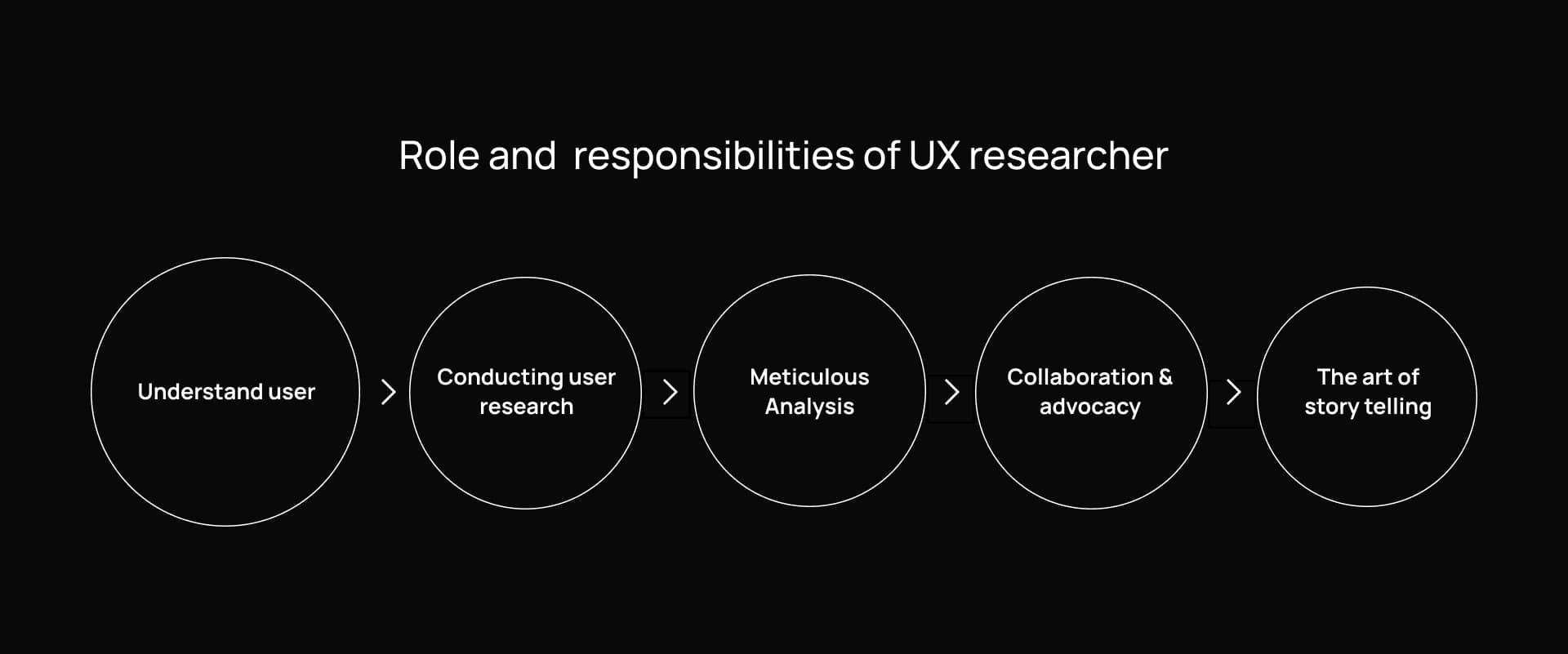
Key Responsibilities of a UX Researcher in Education Technology
The daily tasks of a UX researcher in EdTech may vary by workplace and project, but typically include:
- Conducting user interviews and surveys: Engaging with students, instructors, and staff to gather qualitative insights.
- Performing usability testing: Observing real users interact with edtech tools to identify pain points and opportunities for enhancement.
- Analyzing quantitative data: Leveraging analytics and user engagement metrics to identify usage patterns.
- Developing personas and user journey maps: Creating visual representations of user types and their interactions with technology over time.
- Collaborating with product designers and developers: Sharing research findings to inform design decisions and feature development.
- Staying updated with accessibility standards: Ensuring all products adhere to regulations like WCAG and are inclusive for all users.
- Presenting findings and recommendations: Communicating actionable insights to stakeholders across the organization.
Essential Skills for a UX Researcher in Education Technology
To succeed as a UX researcher in the education sector, professionals need a blend of technical, analytical, and interpersonal skills. Here’s what employers are typically looking for:
Technical and Analytical Skills
- User research methodologies: Proficiency in both qualitative (interviews, ethnographic studies) and quantitative (surveys, A/B testing) research methods.
- Data analysis: Ability to interpret user data and extract actionable insights using analytics tools (e.g., Google Analytics, Hotjar, UserTesting).
- information architecture: Understanding how to organise and categorize educational content for optimal navigation.
- Wireframing and prototyping: Familiarity with tools like Figma or Adobe XD to translate research into low-fidelity solutions.
- Usability testing: Setting up and moderating usability sessions in the context of educational environments.
- Accessibility standards: Knowledge of accessibility guidelines and best practices to ensure inclusivity.
Interpersonal and Soft Skills
- Communication: Clear, effective communication is essential to present research findings and facilitate collaborations.
- Empathy: A deep understanding of the unique challenges faced by students, teachers, and staff.
- Collaboration: Experience working cross-functionally with designers, developers, and educational stakeholders.
- curiosity and adaptability: the ability to stay curious, ask the right questions, and adapt to the evolving needs of modern education technology.
- Problem-solving: Creative thinking to propose practical solutions to identified user pain points.
Career Path: Becoming a UX Researcher in EdTech
The journey to becoming a UX researcher in education technology is flexible, welcoming candidates from various backgrounds. Here’s an overview of common steps on this career path:
Education
- bachelor’s Degree: Most positions require a degree in human-computer interaction, psychology, cognitive science, education, or related fields.
- Advanced Degrees: A master’s in UX,instructional design,or education technology can boost credibility,especially for university roles.
- Certifications: Completing UX courses or certifications from recognized institutions adds a competitive edge.
Gaining Experience
- Internships: Many universities and EdTech companies offer internships focused on user research.
- Portfolio development: Building a portfolio that showcases your user research projects, preferably with examples relevant to educational technologies.
- Entry-level roles: Positions such as UX research assistant,usability analyst,or junior UX researcher provide valuable experience.
- Volunteer work: Collaborating with non-profits or educational organizations to improve digital products can help build real-world experience.
Advancing Your Career
- Specializing: As you gain experience, you might specialize in K-12 education, higher education, accessibility research, or mobile educational technology.
- Leadership roles: Progression to roles like Senior UX Researcher, UX Research Lead, or Head of UX Research is possible with experience.
- Academic or consulting paths: Some UX researchers pursue teaching in higher education or offer consulting for EdTech startups and institutions.
Benefits of Working as a UX researcher in Education Technology
Choosing a UX research career in EdTech comes with unique professional and personal rewards:
- meaningful impact: Your work directly influences the quality of learning, accessibility, and satisfaction for thousands of students and educators.
- Growing job market: The demand for EdTech professionals continues to rise as institutions invest in digital transformation.
- Cutting-edge research: Opportunities to experiment with the latest technologies in education, from AI-powered tools to VR classrooms.
- Continuous learning: Exposure to diverse user groups and ever-evolving educational trends keeps the role engaging and intellectually stimulating.
- Flexibility: Options to work in academic settings, for EdTech companies, or as a remote consultant.
Practical Tips for Aspiring UX Researchers in EdTech
ready to launch your career as a UX researcher in education technology? Here are some actionable tips to boost your prospects:
- Focus on your portfolio: Showcase projects demonstrating your ability to improve education-related digital experiences. Include case studies highlighting research methods, outcomes, and impact on learners or educators.
- Network with education professionals: Attend industry conferences, EdTech meetups, or academic symposiums to connect with potential employers and mentors.
- Stay current on EdTech trends: Follow leading EdTech blogs,educational technology journals,and government initiatives impacting digital learning.
- Develop cross-disciplinary skills: Learn basic instructional design principles,accessibility standards,and relevant education policies to better contextualize your research.
- Highlight your impact: in resumes and interviews, emphasize how your research translated into real product improvements and enhanced user satisfaction in learning tools.
- Prepare for behavioral interviews: Be ready to discuss your research process, key findings, and how you handled challenges unique to educational settings.
Conclusion: Your Future as a UX Researcher in Education Technology
The role of a UX Researcher in Education Technology offers the prospect to drive innovation and improve the learning experiences of students and teachers alike. By mastering critical skills, gaining relevant experience, and staying attuned to the evolving needs of educational institutions, you can build a fulfilling and impactful career in this dynamic field. Whether you’re just starting or looking to advance your career, the path of UX research in EdTech is open to creative, empathetic, and data-driven individuals ready to shape the future of education.