
UX Researcher in Education Technology: Key Roles, Skills, and Career Path Insights
Are you passionate about both technology and the transformative power of education? if so, a career as a UX Researcher in education Technology could be the perfect fit for you. As universities, colleges, and schools rapidly integrate new digital tools and platforms, the need for skilled UX researchers to optimize educational technology experiences has never been greater. This extensive guide explores the critical roles, must-have skills, benefits, and insider career path insights to help you succeed in this exciting and impactful field.
What Dose a UX Researcher in Education Technology Do?
A UX (User Experience) Researcher working in education technology (EdTech) focuses on understanding the needs, behaviors, and pain points of students, educators, administrators, and other stakeholders. The ultimate goal is to ensure that digital products—such as learning management systems, educational apps, and digital curriculum—are intuitive, engaging, and effective in supporting learning outcomes.
- develop research strategies: Design research plans tailored to the academic environment to address unique challenges in educational settings.
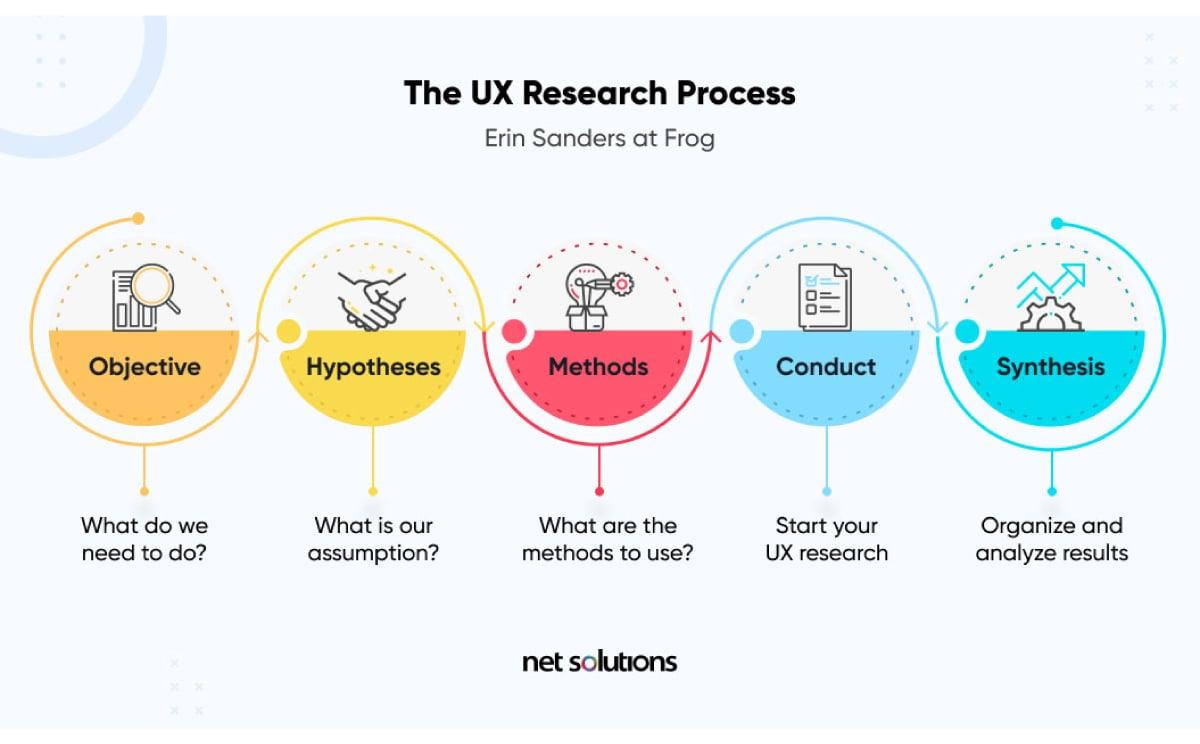
- Conduct user research: Use various qualitative and quantitative methods like interviews, surveys, classroom observation, usability testing, user journey mapping, and data analysis.
- Collaborate with diverse teams: Work alongside instructional designers,software engineers,teachers,students,and administrators to gather insights and translate them into actionable improvements.
- Advocate for the user: Champion the voices and needs of learners and educators, ensuring digital tools are accessible, inclusive, and user-friendly.
- Analyze and report findings: Synthesize data into practical recommendations, sharing insights with product teams to drive iterative improvements.
- Support continuous improvement: Monitor the impact of changes and continuously seek ways to enhance user experience.
Key Responsibilities of a UX researcher in Education Technology
While the specific duties can vary depending on the institution or product, the primary responsibilities often include:
- Stakeholder Interviews: Engaging with teachers, students, IT staff, and decision-makers to collect firsthand feedback.
- Usability Testing: Observing users as they navigate EdTech tools,identifying friction points and opportunities for enhancement.
- Persona Development: Creating detailed user personas representing different types of learners, educators, and administrators.
- Journey Mapping: Visualizing how users interact with educational technology throughout their academic or teaching journeys.
- Data Synthesis: Combining qualitative and quantitative data to uncover patterns and actionable insights.
- Recommendations and Reporting: Presenting research findings to stakeholders and offering strategic recommendations for improvements.
- Accessibility Assessment: Ensuring products comply with accessibility standards and offer equitable experiences for users with disabilities.
Essential skills for UX Researchers in Education Technology
Succeeding in a UX researcher role in education technology requires a blend of technical, interpersonal, and industry-specific skills. Here are the moast vital competencies:
- Research Methodology: Proficient in both qualitative and quantitative methods—including user interviews, surveys, contextual inquiry, and A/B testing.
- Analytical Thinking: Ability to interpret large sets of data and draw meaningful conclusions relevant to teaching and learning environments.
- Empathy: Deep understanding of the challenges faced by students,faculty,and staff in different educational contexts.
- Communication: Strong written and verbal communication skills to translate complex research findings into clear, actionable insights.
- Collaboration: Efficient teamwork with designers, developers, educators, and policymakers.
- Problem-Solving: Creative approach to addressing complex usability and accessibility issues unique to education settings.
- Technical Proficiency: Familiarity with UX research tools (e.g.,UserTesting,Optimal workshop,Morae),wireframing platforms,and the basics of web/app development.
- Knowledge of Educational Standards: Understanding standards such as WCAG (Web Content Accessibility Guidelines) and FERPA (Family Educational Rights and privacy Act), and how they apply to digital learning environments.
Benefits of Working as a UX Researcher in Education Technology
Pursuing a UX research career in education technology not only offers a dynamic professional experience but also delivers meaningful rewards, including:
- Impactful Work: Your research directly shapes the digital experiences of thousands or even millions of students and educators.
- Continuous Learning: Exposure to the latest advancements in EdTech and educational trends keeps your work intellectually stimulating.
- Diverse Collaboration: Work with multidisciplinary teams, from instructional designers to IT specialists and school administrators.
- Career Flexibility: Roles are available at universities, K-12 schools, edtech companies, and nonprofit educational organizations.
- Personal Satisfaction: Enjoy the satisfaction that comes from solving real-world education challenges and making learning more effective and inclusive.
- Job Security and Growth: The increased focus on digital learning and student-centered technologies means growing demand for skilled UX researchers in education.
Career Path: How to Become a UX Researcher in Education Technology
Educational Background
Most UX researcher positions in education technology require at least a bachelor’s degree in a field such as human-computer interaction, psychology, design, education, or information science. Many professionals also hold advanced degrees (Master’s or PhD) in related disciplines. Some programs offer specialized tracks or certificates in user experience research, educational design, or education technology.
Typical Career Progression
- Entry-Level Roles: Junior UX Researcher,UX Research Assistant,or usability Analyst.
- Mid-Level Roles: UX Researcher, User Research Specialist, or UX/UI Designer with research focus.
- Senior Roles: Senior UX Researcher, Lead UX Researcher, or Head of UX/Experience Design.
- Specialized Roles: Accessibility Specialist, Learning Experience researcher, or Research Lead in EdTech innovation labs.
Building Relevant Experience
Breaking into UX research for education technology can be easier if you have experience in:
- Education (teaching, curriculum design, instructional technology)
- EdTech internships or project work
- Designing or evaluating classroom digital tools
- Participating in research studies focused on educational settings
- Contributing to school or university edtech initiatives
Practical Tips to Launch Your UX Researcher Career in EdTech
- Develop a Strong Portfolio: Showcase projects that highlight your research process, findings, and impact on educational digital products.
- Network with EdTech Professionals: Join online communities, attend industry events, and engage with UX and education technology groups.
- Stay Updated on Trends: Keep abreast of emerging educational technologies, learning models, and best UX practices in EdTech.
- Gain Cross-Disciplinary experience: Volunteer or intern with educational institutions, or collaborate on classroom-focused design projects.
- Strengthen Soft Skills: Work on your communication, empathy, and storytelling abilities to present research insights compellingly.
- Understand Compliance and Privacy: Learn about regulations such as GDPR and FERPA to ensure your research and digital designs are compliant.
Challenges and Opportunities in Education Technology UX Research
A UX researcher in education technology faces unique challenges, including:
- user Diversity: Balancing the varied needs of students from different backgrounds, educators with different teaching styles, and administrators with distinct priorities.
- institutional Constraints: navigating budget limitations, policy requirements, and slow adoption rates.
- Data Sensitivity: Protecting student data privacy and ensuring ethical research practices.
- Balancing Innovation and Usability: Introducing new features without disrupting teaching workflows or learning outcomes.
Despite these challenges, the field is full of opportunities for impactful innovation as universities, colleges, and schools increasingly embrace digital transformation. UX researchers play a pivotal role in shaping the next generation of learning experiences.
Conclusion: Make a Difference as a UX Researcher in Education Technology
Becoming a UX researcher in education technology is not just a career—it’s a chance to positively influence how people teach and learn in our digital age. By developing the essential skills, understanding the unique needs of educational environments, and committing to ongoing professional growth, you can forge a rewarding career at the intersection of education and technology. Whether you dream of working at a leading university, a forward-thinking K-12 school, or an innovative EdTech startup, your expertise can drive the future of digital learning and make a lasting impact on countless lives.