
Virtual Field Trips: Expand Student Learning Beyond the Classroom Effortlessly
In today’s rapidly evolving educational landscape, virtual field trips have emerged as a powerful method to expand student learning beyond the classroom. Leveraging cutting-edge technology,educators can transport students to museums,ancient landmarks,and even different continents,all without leaving their desks. This extensive guide explores the benefits, practical tips, engaging case studies, and expert recommendations for making virtual field trips a seamless part of your teaching toolkit.
Introduction: Revolutionizing Education with Virtual Field trips
Customary field trips have always been a highlight for students. However, logistical challenges, costs, and geographical constraints often limit their frequency and scope. Enter virtual field trips, a modern solution offering immersive, interactive experiences that transcend physical boundaries.
whether you’re a classroom teacher, homeschooling parent, or school administrator, virtual field trips can effortlessly boost student engagement, foster global awareness, and enrich curricular content. Read on to discover how you can make the most of this innovative teaching strategy.
What Are Virtual Field Trips?
Virtual field trips are online educational experiences that allow students to “visit” locations via the internet. Through live-streaming, interactive websites, or pre-recorded video tours, learners can explore:
- World-renowned museums
- National parks and eco-reserves
- Historical sites and monuments
- Scientific institutions (e.g., NASA, space observatories)
- Cultural landmarks and geographic wonders
These engaging journeys are supported by rich multimedia, expert guides, and real-time Q&A sessions, making learning both accessible and captivating.
Benefits of Virtual Field Trips for Student Learning
1. Accessibility and Inclusivity
- All students participate: Eliminate barriers such as budget, mobility issues, and remote location.
- Diverse content: Explore global sites otherwise inaccessible in-person.
2. Enhanced Engagement and Curiosity
- Interactive, gamified elements keep students actively involved.
- Live chats or polls offer two-way communication with experts and guides.
3.Flexible Scheduling and Preparation
- No travel time required—sessions fit easily into lesson plans.
- preparation materials, worksheets, and post-trip activities are often included.
4. Curriculum Alignment
- seamlessly integrates with STEM, history, geography, or language arts objectives.
- customizable trips tailored to class learning goals.
5. Real-World Relevance
- Students observe experts in action and experience practical applications of classroom concepts.
- Expand cultural competence and global perspective.
Popular Platforms for Virtual Field Trips
Several reliable platforms make hosting and accessing virtual field trips easy:
- Google Arts & Culture: Virtual tours of top museums and landmarks worldwide.
- Discovery Education: Live and on-demand interactive field trips across subjects.
- Museum of Natural History: 360° museum tours and educational resources.
- National park Service: Explore U.S. National Parks virtually with educational guides.
- CILC (Center for Interactive Learning & Collaboration): Connect directly with content providers for live programs.
Practical Tips: Making Virtual Field Trips Effortless and Impactful
1.Prepare Ahead
- Research platforms and select trips that align with your curriculum objectives.
- test technology, including internet speed, audio, and video equipment.
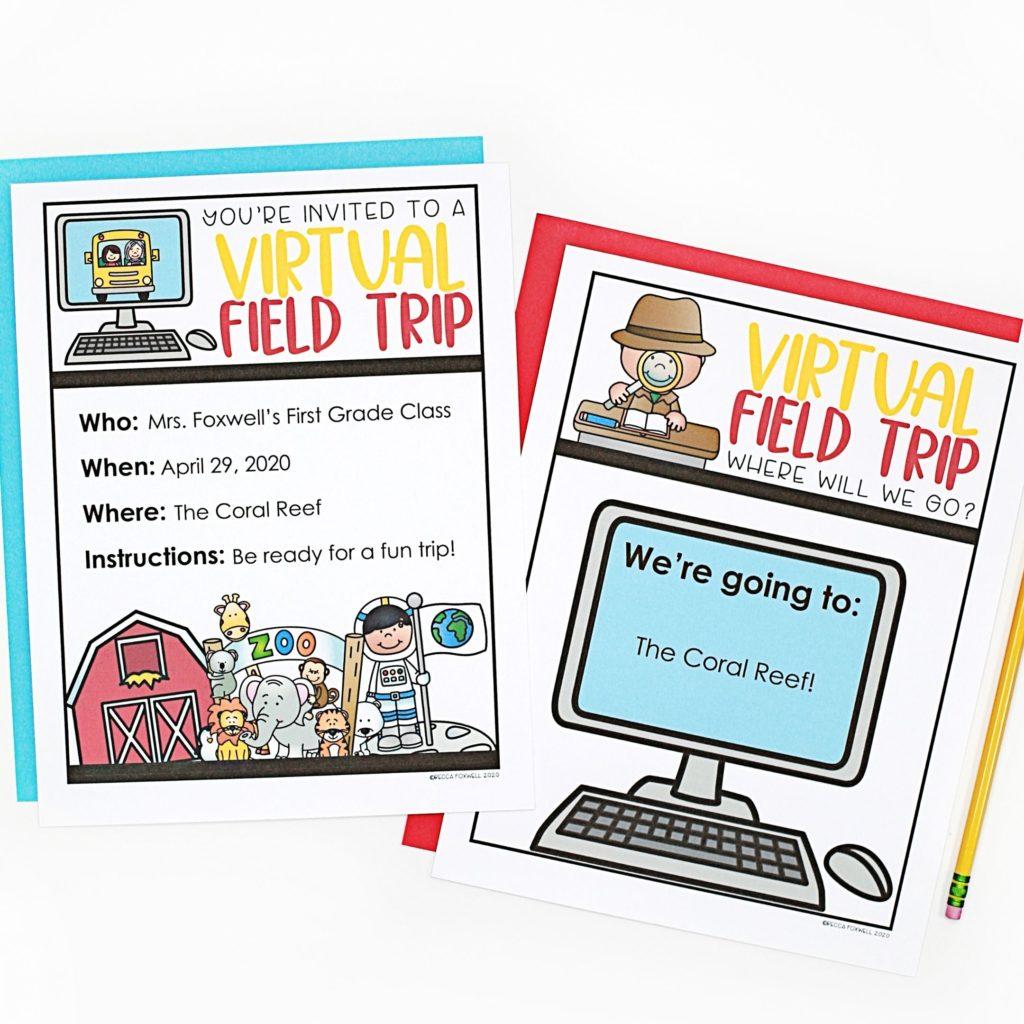
- Share schedules and expectations with students and families in advance.
2. Foster Active Participation
- Encourage note-taking, sketching, or writing questions during the trip.
- Utilize chat features or interactive polls if available.
3. Integrate Pre- and Post-You Activities
- Assign pre-field trip research tasks or watch introductory videos.
- Debrief with class discussions, quizzes, or creative projects afterward.
4. Ensure Safety and Privacy
- Use secure,reputable platforms and verify privacy settings before connecting.
- Get parental consent when necessary for live interactions.
case Studies: Real-Life Success Stories Using Virtual Field Trips
Case Study #1: Connecting with History at Colonial Williamsburg
Mrs. Rosa’s 5th grade class in Los angeles participated in a live-stream interactive session with historians at Colonial Williamsburg. Students explored colonial homes, witnessed period reenactments, and asked direct questions about daily life in the 18th century. The program dovetailed perfectly with their history curriculum and heightened student interest in American history.
Case Study #2: STEM Learning via NASA’s Virtual Tours
Middle school science teacher Mr. Patel enhanced his space unit by virtually touring NASA’s Jet Propulsion Laboratory. His class observed Mars Rover prototypes and communicated with engineers. Post-trip assignments involved analyzing data collected on Mars,linking abstract concepts to real-world applications—students rated the experience “life-changing.”
Case Study #3: Exploring Biodiversity at Rainforest Alliance
Through Rainforest Alliance’s interactive webinars, students in a rural district gained firsthand insights into rainforest ecosystems. Detailed multimedia presentations and Q&A sessions with scientists helped students grasp climate change, species diversity, and conservation efforts. Teacher feedback revealed that virtual field trips made complex topics tangible and relevant.
First-hand Experience: Teachers Share Their Insights
“Our students where amazed to interact with curators at the Louvre, even from a small town in Nebraska. Everyone left class inspired and eager for more!” – Ms. Harper, Social Studies Teacher
“The best part is how inclusive virtual field trips are. Students with mobility issues or chronic illness can participate fully and feel connected.” – mr. Donovan, Principal
Overcoming Common Challenges
While virtual field trips offer many advantages, educators should be mindful of potential obstacles and solutions:
- Technical issues: Always run a tech check before the session.Have backup activities ready.
- Student engagement: Set participation goals and offer incentives for questions or contributions.
- Content relevancy: Curate trips that closely align with learning objectives and student interests.
Best Practices for Integrating virtual Field Trips Into Your Curriculum
To maximize the benefits of virtual field trips in your teaching, follow these tried-and-true best practices:
- Align with Standards: Map field trip content with state or national learning standards.
- Promote Inquiry-Based Learning: Let students develop and pursue their own questions before and during the trip.
- Diversify Experiences: Schedule a variety of trips covering different subjects, cultures, and regions.
- Connect Across disciplines: Use field trips as a springboard for cross-curricular projects and assignments.
- Gather Feedback: Use student and family input to improve future virtual trips.
Conclusion: The Future of Student learning Is Virtual
Virtual field trips are transforming the landscape of student learning, making global exploration accessible, interactive, and inclusive. By integrating virtual experiences into the curriculum, educators can effortlessly amplify classroom teaching, spark curiosity, and cultivate meaningful connections with the world beyond school walls. Start planning your first virtual field trip today, and watch your students’ horizons expand in real time!
ready to take the next step? Explore top virtual field trip platforms, share this article with colleagues, and begin unlocking endless educational adventures for your students!