
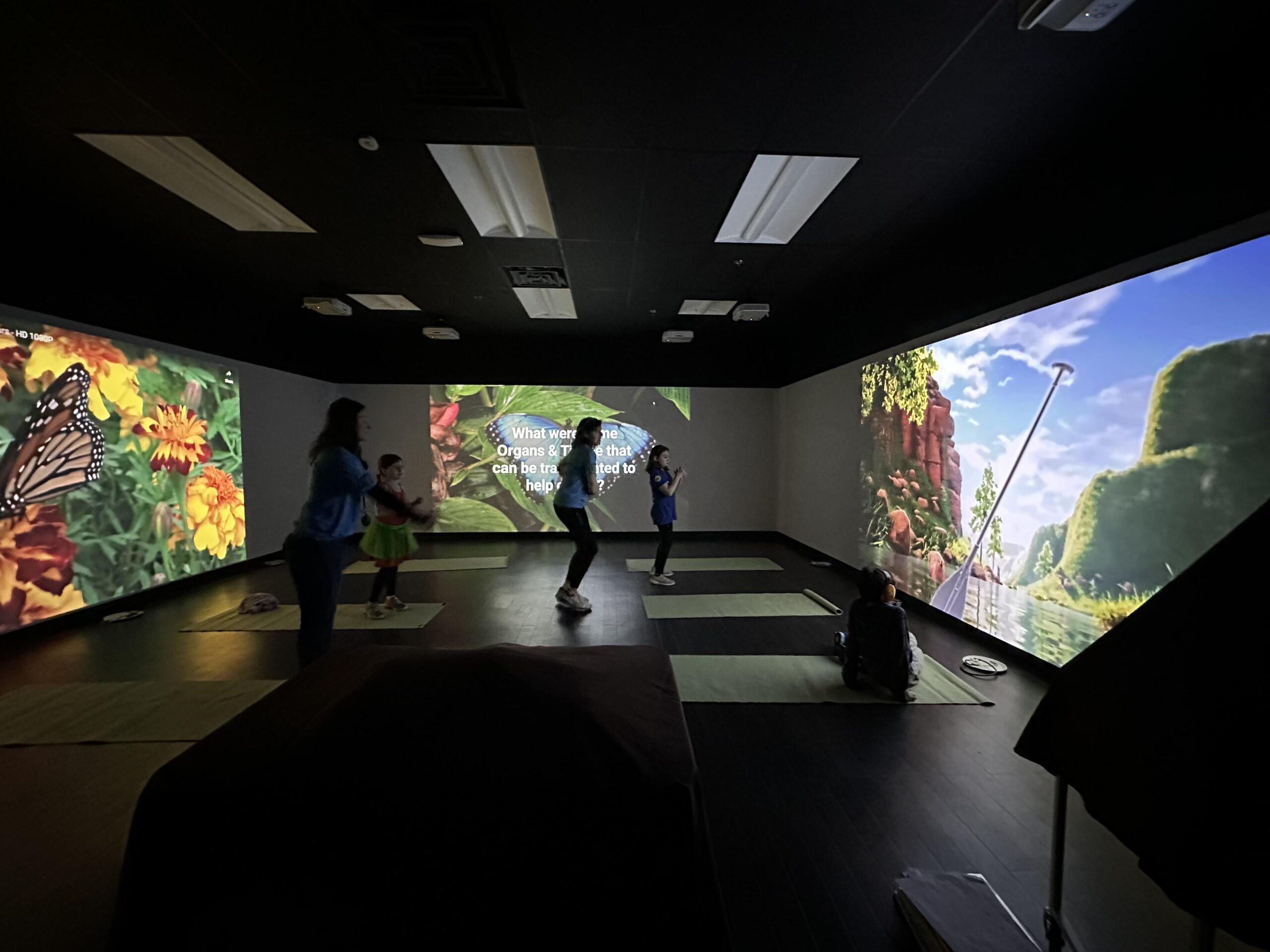
Virtual Field Trips: Expanding Student Horizons Without Leaving the Classroom
Introduction: Reimagining the Classroom Experience
The world of education is evolving at a rapid pace,powered by technological innovation and a growing need for engaging,interactive learning experiences. Virtual field trips stand at the forefront of this conversion,enabling students to explore distant lands,past landmarks,and cutting-edge industries—all from the comfort of their schools. Whether you teach in an urban classroom or a rural district, virtual field trips are broadening horizons and sparking curiosity in ways traditional excursions ofen can’t achieve. In this article, discover how virtual field trips are revolutionizing learning, their benefits, practical implementation tips, and inspiring stories from real classrooms.
What Are Virtual Field Trips?
Virtual field trips are technology-driven journeys that transport students to locations around the globe—be it museums, national parks, factories, or even outer space—using video conferencing, interactive websites, and virtual reality platforms. Through enriched multimedia content, students can explore real-world destinations and cultural experiences firsthand, overcoming physical, financial, and logistical barriers.
- Live stream tours with experts
- Interactive VR experiences
- Self-paced online explorations of landmarks and biomes
- Integration with classroom activities and lesson plans
With virtual field trips for students, the boundaries of learning extend far beyond the classroom walls, making education more inclusive and dynamic.
Benefits of virtual Field Trips in the Classroom
Incorporating virtual field trips into the curriculum offers extensive advantages for students and educators alike. Here’s how thes digital adventures can make a difference:
- Accessibility: Students in underserved or geographically isolated areas gain access to experiences that would otherwise be unattainable.
- Cost-effectiveness: Schools save on travel,tickets,and logistical expenses while still providing enriching experiences.
- Safety and Convenience: No risk of travel-related complications, permissions, or supervision issues.
- Curriculum Enhancement: Field trips can be tailored to specific lesson objectives, such as science explorations, cultural studies, or history reenactments.
- Engagement and Motivation: Interactive elements, visuals, and real-time Q&A sessions boost student enthusiasm and retention.
- Global Perspective: Exposure to diverse cultures,environments,and careers fosters empathy,awareness,and curiosity.
- Flexibility: Virtual field trips can be scheduled anytime, adapting to different grade levels and learning styles.
Popular Platforms and Destinations for virtual Field Trips
Thanks to ongoing investments in edtech, educators have access to an ever-growing list of platforms and virtual destinations.
Top Resources and Websites:
- Smithsonian’s Virtual Field Trips – Live museum tours and curated educational experiences.
- Explore.org – Live nature cameras around the world for wildlife observation.
- Google Arts & Culture – Virtual walkthroughs of famous sites, museums, and artwork collections.
- finding Education Virtual Field Trips – Interactive STEM experiences and industry tours.
- National Geographic Classroom Resources – Science and geography explorations via virtual media.
Destinations to Consider:
- The Great Wall of China
- The Louvre Museum, Paris
- NASA’s mission control
- Aquariums & zoos worldwide
- The Amazon rainforest
- Historical battlefields and archaeological sites
Practical Tips for implementing Virtual Field Trips
To maximize the impact of virtual classroom field trips, a thoughtful approach is essential.Here are practical strategies for educators:
Planning and Planning
- Align with Curriculum: Choose virtual field trips that complement current lesson plans and learning objectives.
- Test Technology: Ensure reliable internet connectivity and check all audiovisual equipment and software ahead of time.
- Pre-teach Relevant Content: Set context for the destination to boost engagement and comprehension.
during the Trip
- Encourage Participation: Prepare interactive questions, scavenger hunts, or note-taking activities.
- Foster Discussion: Allow time for group reflection, questions, and collaborative learning.
- Utilize Breakout Groups: For live tours, small group activities can promote deeper exploration.
After the Trip
- Assessment and Reflection: Assign projects or discussions based on the experience.
- Connect to Real-World Applications: Help students relate virtual discoveries to their community or personal interests.
Case Studies: Real classroom Success Stories
Lincoln Elementary’s Space mission Virtual Tour
At Lincoln Elementary, 4th-grade students participated in a NASA virtual field trip featuring mission control’s behind-the-scenes operations. Teachers reported heightened interest in STEM subjects and a 20% increase in related project submissions. “The sense of possibility and excitement was palpable,” says Ms. Rivera,their science instructor.
Global Culture Connections at Eastview Middle School
Social studies teachers at Eastview Middle School leveraged Google Arts & Culture virtual tours to allow students to ‘visit’ the pyramids of Egypt and the Vatican. Students created collaborative digital portfolios, building research and presentation skills while exploring global heritage sites, all without ever leaving the classroom.
Firsthand Experience: Teacher perspective
“virtual field trips invigorate my lessons—students become travelers, not just observers. From live chats with marine biologists to exploring the Great Barrier Reef in 360°, engagement and wonder skyrocket!”
– Mrs. Jensen, 6th Grade Teacher
Overcoming Common Challenges
While virtual student field trips offer tremendous benefits, some hurdles may arise. Here’s how to navigate common challenges:
- Technical Issues: Prepare backup devices and familiarize yourself with software troubleshooting.
- Student Distraction: Use guided activities and maintain structure to keep attention focused.
- equity and Participation: Ensure all students have devices or access, and provide alternatives for those lacking resources.
- Assessment & Accountability: Design follow-up tasks to measure learning and encourage critical thinking.
Conclusion: The Future of Learning Is boundless
Virtual field trips have transformed the traditional model of learning, shattering physical limits and reinventing how educators connect students to the world.Accessible,immersive,and endlessly customizable,these digital journeys empower every learner—regardless of location or circumstance—to become a global citizen,explorer,and critical thinker.As technology continues to open new doors, educators who harness the power of virtual field trips will enrich their classrooms, expand horizons, and ignite lifelong passion for discovery.
Whether you’re planning your first virtual adventure or refining your approach, remember: with virtual field trips, the whole world is just a click away. Ready to expand your students’ horizons?