
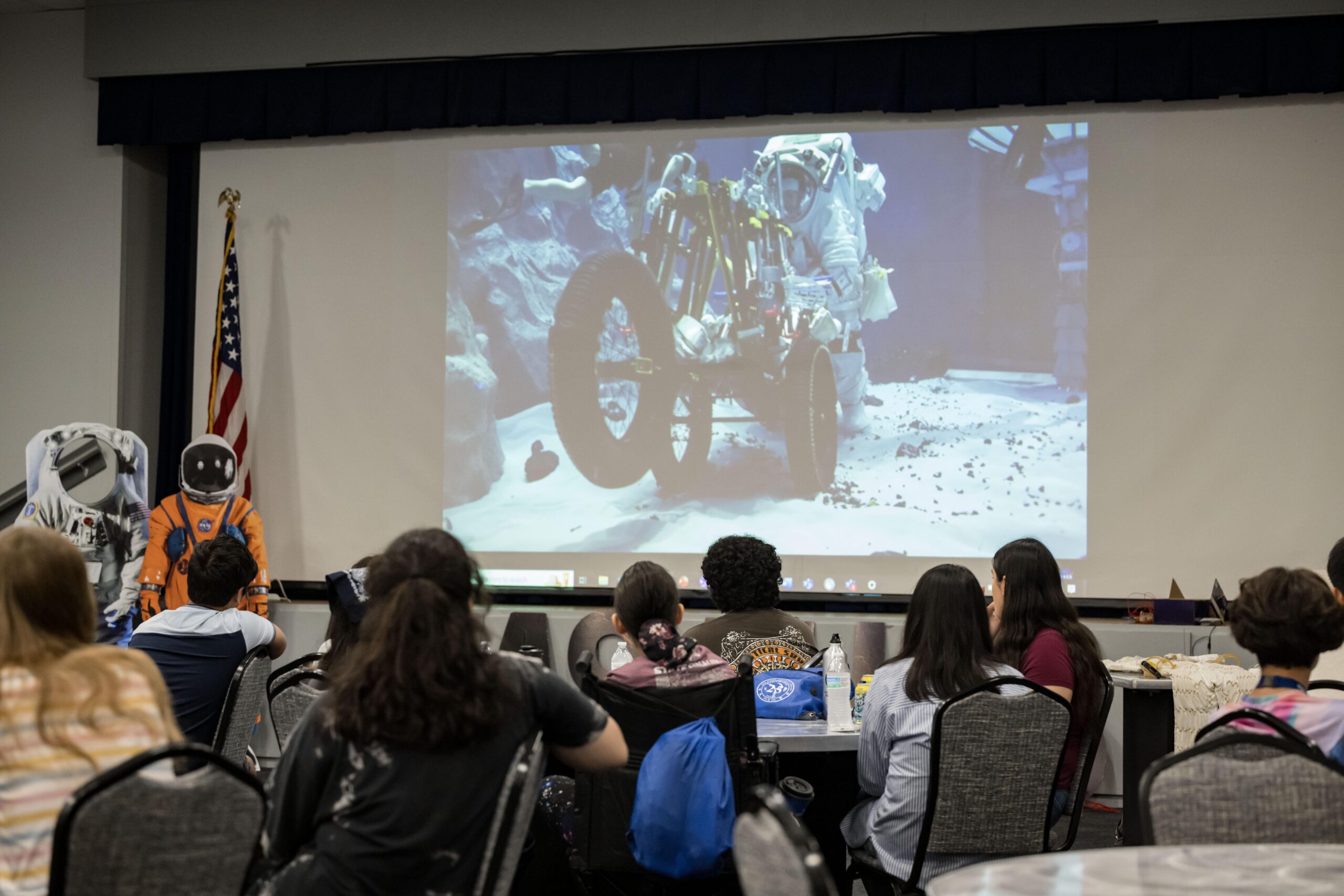
Virtual Field Trips: How Classroom Learning Goes Global Without Leaving Your Seat
The integration of technology in education has ushered in a new era of experiential learning.Virtual field trips are transforming how students explore the world, breaking down traditional barriers and bringing global experiences directly to the classroom. No longer limited by distance, cost, or logistics, schools can now deliver interactive and engaging journeys to historical sites, scientific wonders, and cultural landmarks—all without leaving their seats. In this complete guide, we’ll dive deep into the rise of virtual field trips, explore their benefits, and share tips to help educators make the most of these digital adventures.
What are Virtual Field Trips?
A virtual field trip is an online exploration experience that simulates the educational benefits of a real-world visit to a particular location or event. Leveraging tools like video conferencing,interactive apps,360-degree imagery,and augmented reality (AR),these virtual journeys can transport students anywhere—from the ancient ruins of Rome to the Great Barrier Reef or even to Mars.
Virtual field trips can be live (with real-time guides or experts), pre-recorded, or entirely self-guided, catering to diverse learning styles and classroom needs. With easy integration into digital classrooms, they provide an inclusive solution for schools seeking to enrich their curricula.
Benefits of Virtual Field Trips in the Classroom
- Global access: Students can virtually visit destinations around the world, fostering a multicultural outlook and global awareness.
- Affordability: Eliminate travel costs,accommodation,and logistical expenses. Most virtual field trips are free or low-cost.
- accessibility: Ideal for students with mobility challenges or schools in remote locations, ensuring all learners can participate equally.
- Safety and Convenience: No risk to student safety, and excursions can be paused, replayed, or scheduled at teacher convenience.
- Interactivity and Engagement: Multimedia elements—like quizzes, live Q&A, and 3D models—boost attention and retention rates.
- Curriculum Enhancement: Virtual field trips can be tailored to specific subjects or themes,supporting lesson objectives and learning standards.
- Environmental Impact: reduces the carbon footprint by eliminating the need for transportation.
Popular Virtual Field Trip Destinations and Platforms
The possibilities are truly endless. Here are some of the best platforms and resources for conducting captivating virtual field trips in your classroom:
- Google arts & culture – Explore museums, world heritage sites, and art collections with interactive tours and high-resolution imagery.
- Finding Education Virtual Field Trips – Offers curriculum-aligned journeys on science, conservation, history, and technology topics.
- Smithsonian Virtual Tours – Immersive experiences of famed Smithsonian museums, galleries, and scientific centers.
- NASA Virtual Tours – Go behind the scenes at space research centers, labs, and even the International Space Station.
- National geographic education – Brings wildlife, ecosystems, and geography into the classroom with expert guides.
- British Museum Virtual Visits – Dive into history with artifact tours and archaeological walkthroughs.
case Studies: Real-Life Success stories
Case Study 1: Bringing the Rainforest to Life
At a rural elementary school in Kansas, a 4th-grade class used the National Geographic Virtual Field Trip to study the Amazon Rainforest. Students interacted with conservationists live, observed rare species via camera feeds, and participated in a digital scavenger hunt.According to their teacher,scores on post-trip quizzes improved by 30%,while students reported increased excitement about environmental science.
Case Study 2: Hidden Figures at NASA
A middle school STEM club in Chicago joined a NASA virtual tour exploring the careers and contributions of women scientists. The club collaborated with NASA engineers thru live video, asking questions about engineering, space travel, and diversity in STEM.As a result, the school reported a 25% rise in STEM club enrollment and the initiation of a student-lead “Women in Science” project.
How to Plan and Execute a Virtual Field trip: Practical Tips
- align with learning goals: Select a destination that complements your curriculum and enhances classroom objectives.
- Test technology: Ensure stable internet access and that all students can view or interact with digital content. Test devices and software ahead of time.
- Prepare students: Brief students on the virtual trip itinerary, expected behaviour, and areas for focus. Create pre-trip excitement with teaser resources or preview videos.
- Engage during the tour:
- Encourage student questions and participation.
- Use note-taking templates, digital scavenger hunts, or reflection prompts.
- If live, leverage chat or video Q&A for real-time interaction.
- Debrief and extend learning: After the virtual field trip,discuss findings,impressions,and key takeaways. Assign related projects or creative tasks that reinforce the experience.
- Collect feedback: Survey students to gather insights and improve future virtual excursions.
Common Challenges and How to Overcome Them
- Technical Problems: Plan ahead by testing all equipment and having backup links or materials ready.
- Student Disengagement: Keep tours interactive with polls, games, or group discussions. Assign roles such as “tech team,” “note-takers,” or “question leaders.”
- Screen Fatigue: Keep sessions concise, build in breaks, and supplement digital content with hands-on or offline activities.
- Limited Personalization: Choose platforms that allow paused exploration, branching paths, or real-time interaction for differentiated instruction.
First-Hand Experience: A Teacher’s Insight
“When the COVID-19 pandemic closed our school, we used weekly virtual field trips to keep our geography lessons alive. Students ‘visited’ Mount Everest, toured the Louvre, and debated over art and culture. Not only did engagement soar, but students also became digital citizens—actively participating, asking thoughtful questions, and reflecting on global issues.”
— Lisa Andrews, 6th Grade Teacher, Denver, CO
Best Practices: Making the Most of Virtual Field Trips
- Curate a blend of live and self-paced experiences for flexibility and variety.
- Connect trips to student interests and current events for relevancy.
- Encourage students to share reflections through digital storytelling, blogs, or multimedia presentations.
- Document each trip with photos, screenshots, or class journals for future reference.
- collaborate with other classrooms globally for shared virtual field trip experiences and cross-cultural exchanges.
Conclusion: The Future of Classroom Exploration
Virtual field trips are redefining what it means to be a classroom explorer. As technology continues to evolve, the ability to “go global” without leaving our seats will only expand—empowering educators to create rich, memorable, and inclusive learning experiences. By embracing these digital adventures, schools can demolish geographic limitations and enrich every lesson with a world of possibility.
For teachers ready to start, today’s virtual field trip options are more accessible, engaging, and impactful than ever. So open your digital passport, select your destination, and let learning take flight—no permission slip required.