
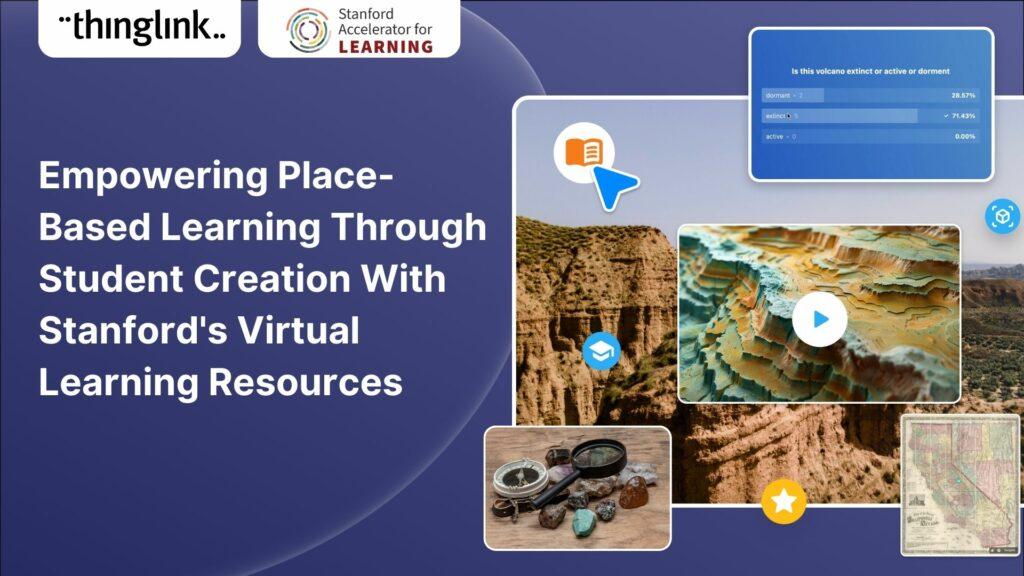
Virtual Field Trips: How Classrooms Are Expanding Horizons Beyond the School Walls
The classroom is no longer confined by four walls. With advances in technology, students today have the unique possibility to explore the world from the comfort of their desks. Virtual field trips have emerged as an engaging and accessible way to bring diverse cultures, scientific wonders, and past landmarks directly into the learning surroundings. In this article, we’ll explore how digital field trips are being used to expand curriculum, enhance student engagement, and make learning truly borderless.
What Are virtual Field Trips?
Virtual field trips are online learning experiences that simulate journeys to locations that may or else be out of reach for a traditional classroom. Leveraging technologies like virtual reality (VR), 360-degree videos, live webcams, and interactive tours, these trips transport students to museums, national parks, space stations, and cultural events across the globe—without ever leaving school.
- Browser-based virtual tours: interactive experiences available directly in a web browser.
- VR experiences: Immersive explorations using virtual reality headsets.
- Augmented reality (AR) apps: Blend digital content with the real world using devices like tablets or phones.
- Guided live-streamed field trips: Real-time interaction with experts at remote sites.
The Benefits of virtual Field Trips for Students and Teachers
From sparking curiosity to overcoming physical limitations, the advantages of virtual field trips are vast and impactful. Here’s why educators are integrating virtual tours into their lesson plans:
- Accessibility for all learners: No need to worry about budget constraints, travel logistics, or mobility issues. Every student has equal access irrespective of location or ability.
- Broader scope of educational content: Visit iconic destinations and resource-rich environments worldwide that aren’t typically accessible in person.
- Enhanced student engagement and motivation: Interactive visuals, gamified activities, and multimedia elements make learning memorable and fun.
- support for curriculum standards: Manny virtual field trip providers align content with national and state educational standards, streamlining integration into lesson plans.
- Cost-effective learning: Most virtual field trips are free or low-cost, making them a financially sound alternative to traditional excursions.
- Adaptability for differentiated instruction: Teachers can select trips tailored to class interests, grade levels, and learning objectives.
“Virtual field trips have made it possible for my students to experience the Great barrier reef, the Smithsonian Museums, and even walk on mars—all within a single school year.These adventures have inspired so many and brought our lessons to life.”
— Sarah Bennett, Middle School Science Teacher
Popular Platforms and Resources for Virtual Field Trips
There’s no shortage of innovative platforms making virtual field trips possible. Explore some top options educators are using across subject areas:
- Google Arts & Culture: Offers tours of museums,landmarks,and cultural heritage sites worldwide with rich media and teacher guides.
- Discovery Education Virtual Field Trips: Hosts interactive livestreamed trips tailored to STEM,nature,history,and more.
- National Park Service Virtual Tours: Features HD virtual park tours, ranger Q&As, and 360-degree explorations.
- Museums and Aquariums: Institutions like the Smithsonian, Louvre, and Monterey Bay Aquarium provide engaging digital tours and live cams.
- NASA Virtual Tours: Allows students to explore the International Space Station, NASA research centers, and planetary surfaces.
- ExpeditionsPro: A free app (replacing Google Expeditions) offering teacher-led, classroom-synced AR/VR experiences.
Real-life Success Stories: Virtual Field Trips in Action
The transformative impact of virtual field trips is evident in classrooms worldwide. here are a few case studies highlighting their effectiveness:
Case Study #1: Bringing History to Life in Rural Schools
In a rural Midwestern school district, history teachers partnered with the library of Congress for a series of virtual field trips. Students explored archival footage, primary sources, and interacted with historians in real time.Not only did test scores improve,but students also reported higher enthusiasm for american history.
Case Study #2: Connecting Urban Students to Nature
Urban fourth graders in New York City took a virtual trip to Yellowstone National Park, observing wildlife via live webcams and participating in Q&A with park rangers. Students designed their own wildlife conservation projects as a result of this experience.
Case Study #3: STEAM Immersion with Outer Space
Thru a series of NASA virtual field trips, high school students engaged with engineers and astronauts, solved real-world math problems, and simulated Mars landings as part of an interdisciplinary STEAM project.
Practical Tips for Implementing Virtual Field trips in the Classroom
- Plan ahead: preview content and ensure it aligns with curriculum goals.
- Check technology: Verify internet connectivity, device compatibility, and if VR headsets or AR apps are needed.
- Prepare students: Offer background details and set clear learning objectives. Encourage students to come up with questions in advance.
- Encourage active engagement: Incorporate hands-on activities, discussions, or journaling before and after the trip.
- Assess understanding: Use quizzes, presentations, or creative projects to demonstrate learning.
- Consider inclusivity: Provide captions, transcripts, and support for students with special needs.
Frequently Asked Questions About Virtual Field Trips
-
Do virtual field trips require special equipment?
many virtual field trips are browser-based and require only a computer or tablet. For VR experiences, a headset enhances immersion, though it’s not mandatory for all trips.
-
Are virtual field trips suitable for all grade levels?
Yes! Content is available and adaptable for kindergarten through high school, and some platforms offer guides for younger or older learners.
-
Can parents participate in virtual field trips?
absolutely! Many schools invite parents to join virtually or incorporate virtual field trips into homework assignments for family exploration.
-
Are there costs involved?
Most reputable providers offer free or low-cost virtual field trip experiences, especially for educators.
Conclusion: The Future of Learning Beyond the Classroom
Virtual field trips are revolutionizing education by removing the boundaries of geography, time, and budget. As technology continues to evolve, these immersive experiences will become even more interactive and accessible, empowering teachers and inspiring students of all backgrounds. By embracing virtual field trips, you’re not just supplementing lessons—you’re opening doors to a world of discovery.
Ready to embark on your next classroom adventure? explore virtual field trip platforms today and watch your students’ horizons expand beyond the school wall!