
Virtual field Trips: How Classrooms Are exploring the World Without Leaving School
Discover the power of virtual field trips for classrooms. Learn how teachers and students are exploring the world digitally, the benefits of virtual travel, practical tips for educators, and inspiring real-life stories—all without ever leaving school.
Virtual Field Trips: How Classrooms Are Exploring the World Without Leaving School
Field trips have long been the highlight of the academic year, sparking curiosity and a love of discovery in students. But in today’s digital era, traditional excursions are evolving. “Virtual field trips” have become a popular and accessible option, allowing classrooms to explore world wonders, past sites, science labs, and more—all without leaving school premises. In this complete guide, we’ll dive into how virtual field trips are transforming education, discuss the many benefits, share practical tips, highlight inspiring case studies, and offer firsthand experiences to help educators make the most of digital journeys.
What are Virtual Field Trips?
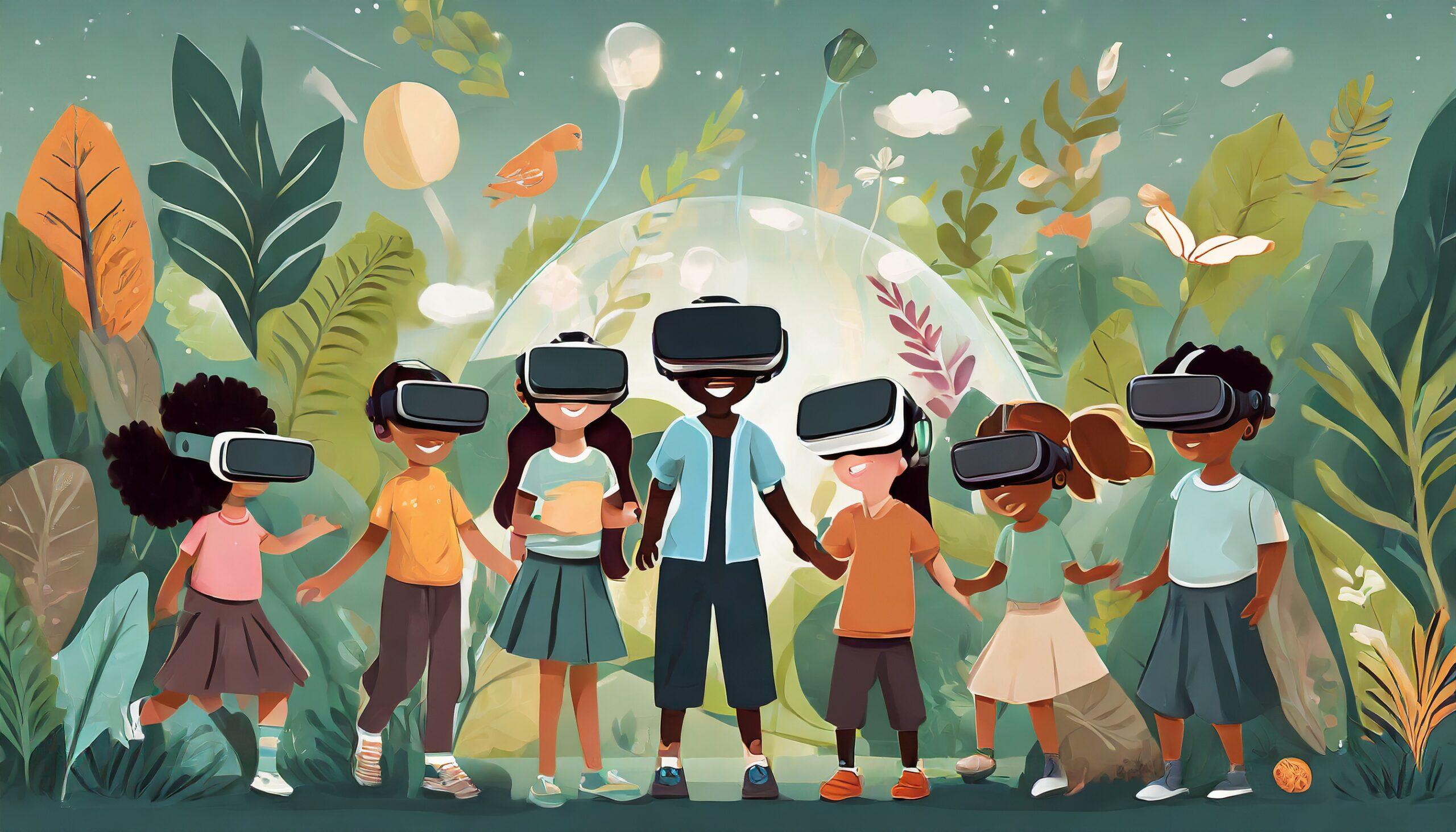
A virtual field trip is an educational journey conducted via the internet, using interactive experiences, 360-degree videos, livestreams, and digital resources. Rather of boarding a bus, students embark on real-time or self-paced adventures using laptops, tablets, or VR headsets. These technology-enhanced trips enable teachers to bring global destinations directly into the classroom—opening up new frontiers for learning.
Common Formats for Virtual Field Trips
- Live-streamed tours: guided by experts or museum educators in real time.
- Pre-recorded interactive videos: Explore locations at yoru own pace wiht quizzes and clickable hotspots.
- Virtual reality (VR) experiences: Fully immersive journeys using VR headsets to simulate presence.
- Web-based activities: Interactive maps, web quests, and digital simulations.
benefits of Virtual Field trips in Education
Virtual field trips bring more than just convenience—they offer transformative educational opportunities. Let’s explore the key benefits of virtual field trips:
- Broader Access: Visit places around the world that would be difficult or unachievable to reach or else, such as outer space, underwater ecosystems, or far-off countries.
- Cost-Effective: Eliminate transportation, tickets, and logistics costs, making high-quality learning accessible on any budget.
- Safety and Comfort: Reduce safety concerns associated with traditional off-site trips. Students remain in the secure environment of their classroom.
- Flexible scheduling: Fit virtual trips easily into class timetables, even revisiting sites on multiple occasions for deeper study.
- Personalized Experiences: tailor learning based on students’ interests and curriculum needs, including differentiated instruction.
- Interdisciplinary Integration: Connect content across humanities, science, geography, history, and the arts.
- Environmentally Friendly: reduce carbon footprint by minimizing travel and resource use.
Popular Virtual Field Trip Destinations
The options for virtual exploration are virtually limitless! Here are some of the best virtual field trip resources for teachers and students:
- The Smithsonian National Museum of Natural History: Walk the museumS halls and view exhibits in 360 degrees.
- NASA’s Glenn Research Center: Take students on space missions and learn from NASA engineers.
- The Louvre Museum, Paris: Explore masterpieces with digital tours and audio guides.
- Google arts & Culture: Offers thousands of virtual tours to historical sites, galleries, and world landmarks.
- Yellowstone National Park: Visit geysers and wildlife habitats through interactive media and ranger-led videos.
- Monterey Bay Aquarium: Livestreams and cam feeds of marine life, plus virtual science lessons.
- Ellis Island Immigration Museum: Trace immigrant journeys with immersive history lessons.
How to Plan a Prosperous virtual Field Trip
To make the most of a digital field trip,thoughtful planning and engagement strategies are essential. Here are steps and practical tips for teachers aiming to create an impactful experience:
Align with Learning Objectives: Choose virtual trips that support your lesson goals and state or national standards.
Preview the Resources: Try out the virtual field trip yourself first to anticipate student questions and technical issues.
Prepare Activities: Develop pre-visit activities (e.g., research, vocabulary), on-trip tasks (e.g., observation notes, quizzes), and post-trip reflections or projects.
Facilitate Interaction: Use breakout sessions, discussion boards, or live Q&A with experts to deepen engagement.
Leverage Technology: Ensure all students have access to necessary devices and internet connections; consider accessibility features.
Follow Up: integrate what students learned into assessments, class displays, or collaborative projects.
Bonus Tips for an Engaging Experience
- Invite parents or guardians to join as “virtual chaperones.”
- Encourage student-led presentations highlighting their favourite discoveries.
- Connect virtually with partner classrooms globally for cultural exchange.
Real-Life Case Studies: Virtual Field Trips in Action
Across the globe, teachers are leveraging virtual field trips in the classroom to bring subjects alive. here are a few inspiring stories:
Case Study 1: Exploring Ecosystems with Monterey Bay Aquarium
jessica, a 5th-grade science teacher in dallas, planned a virtual tour of the Monterey Bay Aquarium. Her students watched live cam feeds, participated in interactive science webinars with marine biologists, and completed digital scavenger hunts. Jessica noted, “My students were mesmerized by the underwater world—and the virtual Q&A session with real scientists sparked several future marine biologists!”
Case Study 2: Global Citizenship through Google Arts & Culture
A middle school social studies class in Toronto used Google Arts & Culture to explore world heritage sites, from machu Picchu to the Pyramids of Giza. The teacher arranged small-group discussions where students compared cultural artifacts and reflected on the importance of historical preservation. This broadened students’ global awareness and fostered empathy for diverse cultures.
Case Study 3: STEM Career Inspiration with NASA
At an urban high school, science educators hosted a virtual field trip to NASA’s research centers. Students interacted with aerospace engineers during a livestream and examined 3D models of spacecraft.The direct exposure to STEM careers increased student interest in pursuing science and technology fields.
Firsthand Experience: A Teacher’s Viewpoint
“Implementing virtual field trips transformed my classroom,” says linda Morton, a 3rd-grade teacher from Seattle. “Not everyone can afford traditional trips, but with virtual access, every child becomes an explorer. We visited art galleries in Italy, tracked monarch butterflies, and even attended a virtual volcano eruption! Students are more engaged, and their curiosity drives richer discussions back in the classroom. plus, planning is quicker compared to traditional permission slips and logistics.”
Addressing Challenges and Solutions
While virtual field trips open up a world of possibilities, ther are common hurdles:
- Technical issues: Plan ahead with backup devices or offline resources and check internet connections in advance.
- Student engagement: Incorporate interactive tasks and real-time participation.
- Equity in access: Advocate for school or district support to ensure all students have the necessary technology.
- Screen fatigue: keep sessions concise, blend digital with hands-on classroom activities, and involve movement when possible.
Conclusion
Virtual field trips are redefining classroom learning by making global exploration accessible, affordable, and inspiring for all students. They empower teachers to deliver memorable, standards-aligned curricula beyond physical boundaries, while enhancing digital literacy and sparking lifelong curiosity. Whether you’re visiting a museum across the ocean, interacting with a scientist, or investigating ancient ruins, a world of discovery awaits—all from the comfort and safety of your classroom.
Ready to embark on your own virtual journey? With the wealth of resources and tools available, the only limit is your inventiveness!