
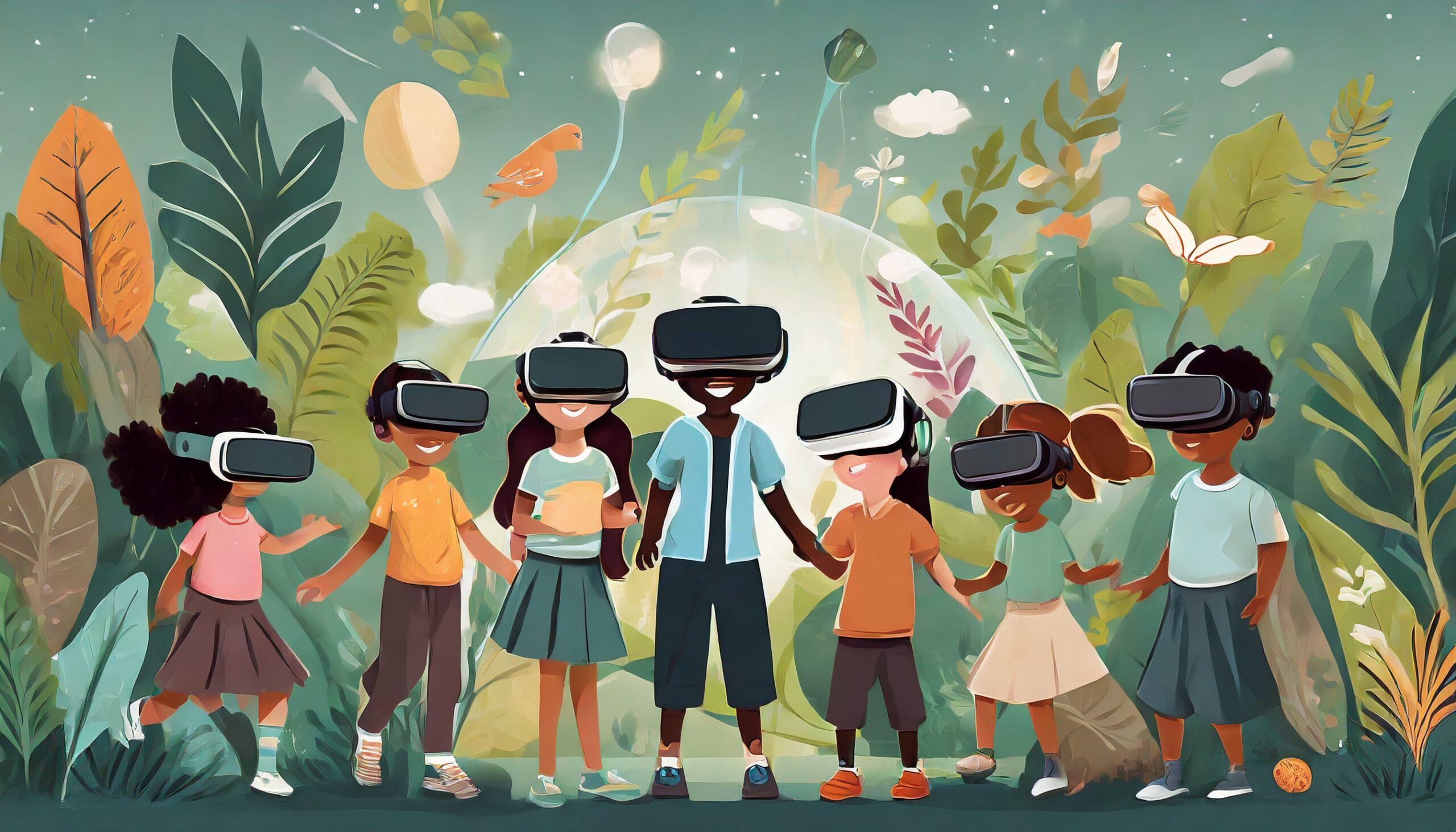
Virtual Field Trips: How Classrooms Can Explore the World Online
Transform your classroom learning experiences with exciting virtual field trips! Discover how teachers and students can explore the world online, engage with unique cultures, and embark on digital adventures—all without leaving their desks.

Introduction: Unlocking the World with Virtual Field Trips
The era of digital learning has paved the way for innovative educational opportunities, making virtual field trips an essential tool in modern classrooms. No longer limited by geography or budget,teachers and students can embark on global journeys,explore historical landmarks,visit renowned museums,interact with scientists,and immerse themselves in diverse environments—all through the power of technology.
In this in-depth article, you’ll discover the benefits, practical tips, real-life case studies, and expert insights on organizing online virtual field trips for your classroom. Let’s dive into the world of digital explorations and redefine experiential learning!
The Benefits of Virtual Field Trips for Education
Virtual field trips offer a wealth of benefits, making them a popular component in K-12 and higher education. Here are some key advantages:
- accessibility: Students can visit locations worldwide, nonetheless of physical, financial, or geographical constraints.
- Cost-Effective: No travel expenses, transportation logistics, or permission slips are required—making it budget-pleasant.
- inclusivity: Students with mobility issues or special needs can fully participate in online explorations.
- Interactive Learning: Many virtual field trips use interactive 360° videos, live streams, Q&A sessions, and gamified activities to enhance engagement.
- Curriculum-Relevant: Teachers can align digital adventures with lesson plans—whether it’s history, science, art, or geography.
- Flexibility: Virtual tours can be paused, replayed, or explored at the students’ own pace.
- Safety: Students and teachers avoid the potential risks associated with in-person outings.
How to Organize Effective Virtual Field trips
With thousands of virtual tours for students available online, planning a successful digital field trip requires thoughtful readiness. Follow these steps to make the most of your virtual exploration:
1. set Clear learning Objectives
Decide what you want your students to gain from the trip. Are you teaching about marine life, famous landmarks, or cultural diversity? Having specific goals will help you choose the most relevant virtual field trip.
2. Choose Reputable Platforms and Resources
Select from trusted educational websites and platforms offering rich, interactive content. Popular options include:
- Google arts & Culture – Explore art galleries, historical sites, and museum collections worldwide.
- National Geographic Virtual Field Trips
- Discovery Education Virtual Field Trips
- Smithsonian Virtual Tours
- Zoo and Aquarium Virtual Tours
3. Prepare Pre-Trip activities
Help students make the most of educational virtual field trips by providing background details, vocabulary sheets, or guiding questions to fuel curiosity.
4. Plan for Interaction and Engagement
Encourage active participation through:
- Real-time Q&A with experts and guides
- Interactive quizzes and polls during the tour
- Digital scavenger hunts or photo challenges
- Group discussions or breakout sessions after the trip
5. Follow Up with Post-trip Projects
solidify learning with reflection exercises—essays, art projects, presentations, or class debates inspired by the trip’s themes.
Case Studies: Inspiring Examples of Virtual Field Trips
A Journey to the Louvre: Art Appreciation from Home
A fifth-grade teacher in Ohio used Google Arts & Culture to take students on a virtual tour of the Louvre Museum in Paris. Students explored iconic works like the Mona Lisa, completed guided worksheets, and voted on their favorite masterpieces. This digital field trip made world-class art accessible and sparked rich classroom discussions.
discovering the Great Barrier Reef with Experts
In australia, a high school science class joined a live-streamed deep-sea dive facilitated by National Geographic. Students interacted with marine biologists in real time, identifying different species and asking questions about reef conservation.
Local History Exploration via 360° Videos
During pandemic-related closures, a history teacher in New York leveraged Smithsonian Virtual Tours to help students explore meaningful moments in American history. 360° videos allowed students to “walk through” historical sites and museums, enhancing their understanding of key events.
First-Hand Experience: A Teacher’s Outlook
“Virtual field trips opened new horizons for my students. Not only could they visit places otherwise out of reach, but they also developed digital literacy and critical thinking skills through interactive activities.The excitement and engagement levels were on par with physical outings—if not greater!”
— Sarah Thompson,4th Grade Teacher,Chicago
Practical Tips for an Engaging Virtual Field Trip Experience
Follow these proven tips to create memorable and impactful online field trips for your students:
- Test Your Tech: Check all devices,internet connectivity,and software before the trip to avoid technical hiccups.
- Involve Students in Planning: Let students suggest destinations and questions, increasing investment and engagement.
- Integrate Cross-Curricular Learning: Connect trips to subjects like history, geography, science, and art for deeper understanding.
- Encourage Collaboration: Group students for shared research projects, discussions, or presentations based on their virtual visit.
- Collect feedback: Ask students what they enjoyed and how the experience can be improved for future trips.
Frequently Asked Questions about Virtual Field Trips
- Are virtual field trips suitable for all grade levels?
Yes! There are age-appropriate virtual tours for elementary, middle, and high school students, as well as college-level experiences.
- Do virtual field trips require special equipment?
Most can be accessed via standard computers, tablets, or smart boards. Some VR experiences require headsets, but many tours work perfectly without them.
- How can I assess student learning during virtual field trips?
Use reflection essays, quizzes, creative projects, and group presentations to evaluate understanding and engagement.
Conclusion: Broadening Horizons from Your Classroom
Virtual field trips are revolutionizing classroom learning by making global adventures accessible to all students. They foster curiosity, cultural awareness, and a deeper love for learning—without the limitations of physical travel. From walking among dinosaurs at a museum to watching the Northern Lights in real time, the possibilities are endless.
Ready to embark on your first online learning adventure? Start by exploring the recommended platforms above and remember: the world is just a click away!
Relevant Keywords: virtual field trips,online field trips for students,virtual field trips for classrooms,digital learning,remote classroom adventures,online educational tours,virtual tours for students,educational virtual experiences.