
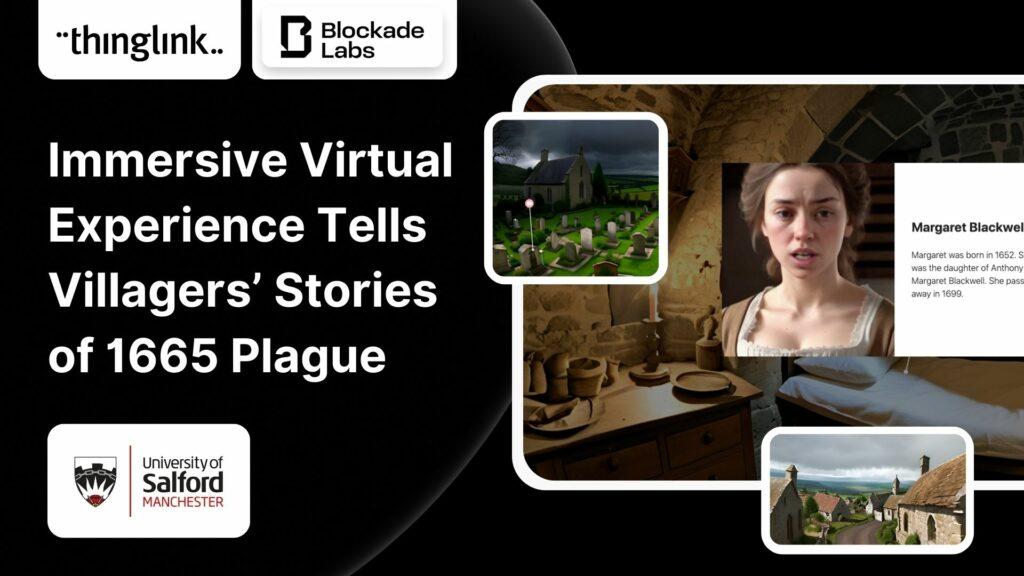
Virtual Field Trips: How Digital Adventures Enrich Learning Without Leaving the Classroom
In today’s digital-first world, the boundaries of the classroom are rapidly expanding. Virtual field trips are at the forefront of this transformation, making it possible for teachers and students to explore the wonders of our planet—and even beyond—without ever leaving their desks. With increasing access to technology and a growing library of virtual resources, digital adventures are now a core component of innovative, engaging education. In this article, we’ll explore how virtual field trips enrich learning, highlight their many benefits, offer practical tips for implementation, and share inspiring case studies to spark your next classroom journey.
What Are Virtual Field Trips?
A virtual field trip is an online exploration that uses technologies like 360-degree videos, interactive maps, and live-streamed tours to transport students to new places. These digital experiences leverage the power of the internet to visit museums,past landmarks,zoos,and even distant planets. Unlike customary excursions, virtual field trips overcome geographical, financial, and logistical constraints, providing every learner with access to enriching educational content.
Types of Virtual Field Trips
- Live Virtual Tours: Real-time,guided tours with opportunities for student interaction and Q&A.
- Pre-recorded Experiences: High-quality videos and presentations that can be accessed anytime.
- VR and AR Adventures: Immersive journeys using virtual or augmented reality for a truly interactive lesson.
- Interactive Web Platforms: Websites featuring interactive maps, timelines, quizzes, and activities.
Benefits of Virtual Field Trips for the Classroom
Integrating digital adventures into the curriculum delivers a range of educational, social, and practical benefits. Here’s why more teachers are embracing virtual field trips:
- Increased Accessibility: Students from all backgrounds and locations can participate, leveling the educational playing field.
- Cost-Effective: No travel,accommodation,or entry fees—virtual field trips are budget-kind for schools and families.
- Safety and Convenience: Teachers no longer need to navigate complex logistics or safety concerns associated with off-site trips.
- Curriculum Alignment: many virtual experiences are designed to complement lesson objectives across subjects, from science and history to art and geography.
- Student Engagement: Interactive elements and captivating visuals boost motivation and knowledge retention.
- Catering to All Learning Styles: Visual, auditory, and kinesthetic learners all benefit through varied digital formats.
- Global Awareness: Learners gain a broader viewpoint by “traveling” to diverse cultures and environments worldwide.
How Virtual Field Trips Enrich Learning
The impact of digital field trips reaches far beyond convenience. They foster a more dynamic, inclusive, and personalized learning process.
1. Interactive Learning
Virtual field trips bring subjects to life through interactive components—students can examine 3D artifacts, participate in live experiments, or engage in game-based activities that solidify understanding.
2. Enhanced Critical Thinking
As students gather information, analyze sources, and reflect on their experiences, they develop critical research and analytical skills that extend beyond the classroom.
3. Real-World Connections
Digital adventures make abstract topics tangible by connecting lessons to real places and current events, increasing relevance and comprehension.
4. Collaboration and Social Skills
Many virtual field trips incorporate group tasks, discussions, and collaborative solutions, helping students work together and build communication skills—even across global classrooms.
Case Studies: Virtual Field Trips in Action
Let’s look at how virtual field trips are transforming classrooms around the world:
- Smith Elementary School, Illinois: using Google Arts & Culture, fifth graders took a virtual tour of the Louvre Museum, then created their own digital art exhibits, showcasing their learning and creativity.
- River valley Middle School,Oregon: Science teachers partnered with the Monterey bay Aquarium’s livestreams. Students observed marine life in real time,asked questions to marine biologists,and completed interactive ecosystem projects.
- Global Connections Academy: With VR headsets, high school students “walked” through the ancient ruins of Pompeii, integrating history, archaeology, and geography lessons for a truly immersive experiance.
These stories highlight how virtual field trips unlock new opportunities for exploration, creativity, and memorable learning.
Practical Tips for Planning and Using Virtual Field trips
To make the most of digital field trips in your classroom, keep these practical tips in mind:
- Align with Learning Goals: Select trips that complement your current curriculum objectives and engage students’ interests.
- Test Technology in Advance: Ensure all students and devices can access the chosen resource without technical glitches.
- prepare Pre-Trip Activities: Build anticipation with background research, introductory videos, or class discussions.
- Facilitate Active Participation: Assign interactive worksheets, scavenger hunts, or reflection questions to promote involvement.
- Encourage Reflection: Have students write journals, create presentations, or share learnings after the virtual field trip.
- Evaluate and share Feedback: Gather student feedback for continuous improvement and share successful experiences with colleagues.
Top Platforms and Resources for Virtual Field Trips
With countless options available, here are a few highly rated platforms to jumpstart your next virtual adventure:
- Google Expeditions & Arts & Culture: Hundreds of interactive tours, from world-famous landmarks to art masterpieces.
- Revelation Education Virtual Field Trips: Standards-aligned experiences for science, history, and more.
- Smithsonian Learning lab: Museum collections, primary sources, and interactive classroom resources.
- National Geographic Kids: Videos, images, and VR teleportations to rainforests, deserts, and oceans.
- Mystery Science: Hands-on, inquiry-based science adventures with extensions for home.
First-Hand Experience: A Teacher’s Perspective
“The pandemic forced us to stop our annual trip to the city zoo, but our virtual zoo safari not only brought the animals into our classroom, it allowed us to see behind-the-scenes areas we never could have visited in person. Students were fascinated, asked thoughtful questions, and still refer to what they learned months later!”
– ms. Lopez, 3rd Grade Teacher
Overcoming challenges of Virtual Field Trips
while digital field trips offer many advantages, challenges do exist. Here’s how to address them:
- Internet or Device Limitations: Provide offline resources or printed materials as backups, and encourage students to use school devices.
- managing Engagement: Keep sessions interactive, with polls, quizzes, and opportunities for students to ask questions or take part in group tasks.
- Screen Time Concerns: Balance digital field trips with hands-on activities and breaks to minimize fatigue.
Conclusion: Expanding Horizons with Virtual Field Trips
Virtual field trips have revolutionized the way students connect with the world, breaking down barriers and making learning vibrant, memorable, and equitable. As educators look to the future, these digital adventures will continue to complement traditional instruction, inspire curiosity, and equip learners for a rapidly changing world. Whether you’re journeying through national parks or exploring the surface of Mars, virtual field trips offer boundless opportunities to expand horizons—without ever leaving the classroom.
Ready to take your students on their next adventure? Dive into the world of virtual field trips and unlock limitless possibilities for digital learning!