
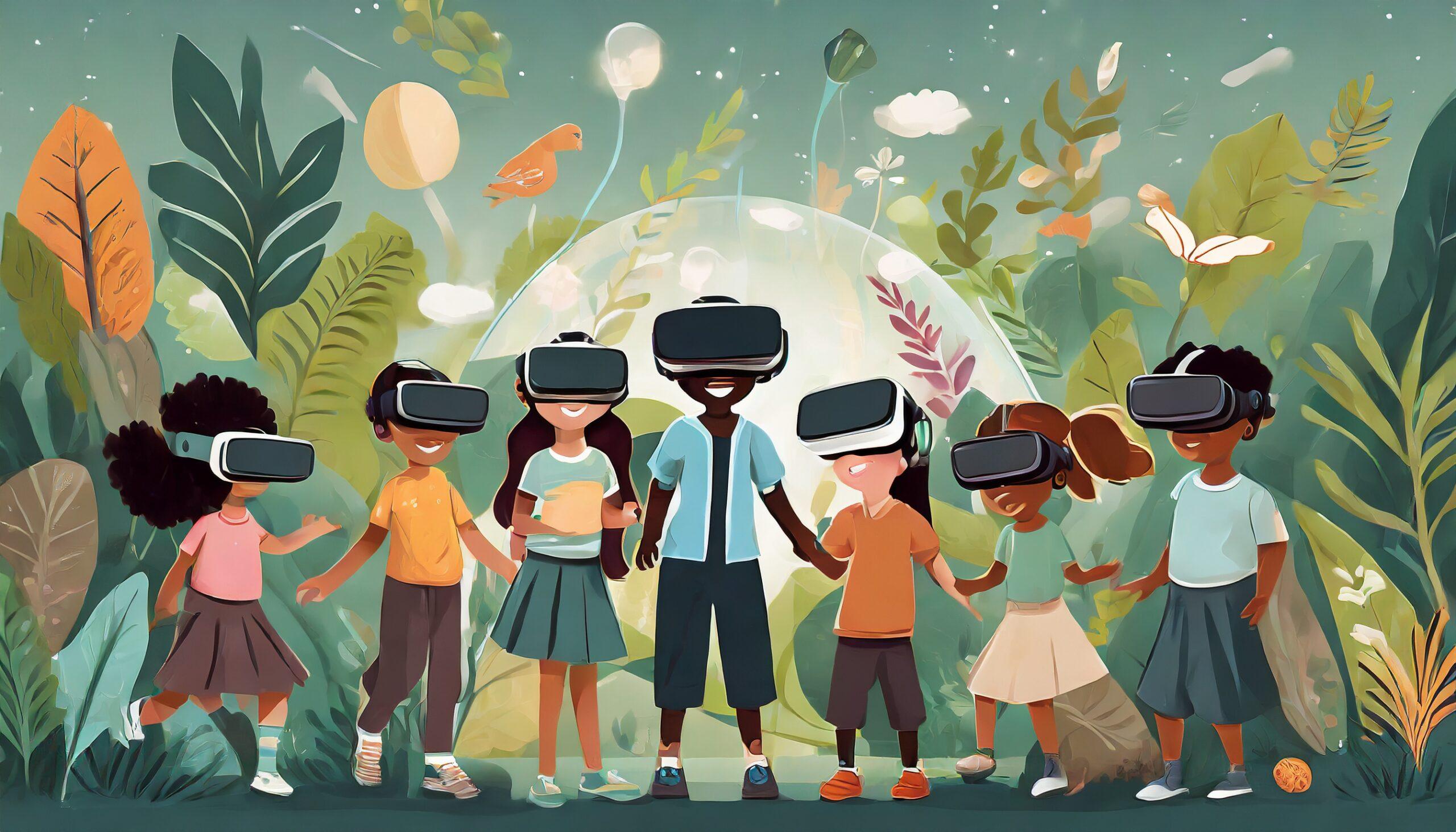
Virtual Field Trips: How Digital Experiences Are Broadening Classroom Learning
The world of education is evolving faster than ever, and technology is playing a crucial role in this transformation.One of the most meaningful innovations reshaping classroom learning is the rise of virtual field trips. These digital experiences transport students beyond the four walls of their classrooms—letting them explore museums, national parks, space, and even historical sites across the globe with just a few clicks. In this article,we’ll dive into how virtual field trips are broadening classroom learning,discuss their benefits,share practical tips,and highlight real-world examples of their impact.
What Are Virtual Field Trips?
Virtual field trips are online experiences that simulate or replicate visits to locations otherwise unreachable for most classrooms.By leveraging live streams,interactive 360-degree videos,augmented reality,and other digital tools,educators can bring the world to their students,no matter where they live or learn. Thanks to ever-improving broadband access and the proliferation of devices in schools, virtual field trips have moved from being a novelty to a must-have educational resource.
Why Are Virtual Field Trips Important in Modern Education?
- Accessibility: Not every school can afford to send students to museums, zoos, or cultural landmarks—especially those in remote or underserved areas. Virtual field trips ensure that all students have equal opportunities to experiance these enriching journeys.
- Curriculum Enhancement: Digital field trips can be tailored to support lessons in science, history, geography, art, and more. real-time and recorded content help teachers reinforce classroom concepts with engaging content.
- Cost-Effective: Traditional field trips entail transportation, fees, and logistical headaches. Virtual options reduce or eliminate expenses and planning complexities, making them practical for larger student groups.
- Flexibility and Safety: Virtual experiences can be scheduled at optimal times, repeated as needed, and completed without the risks associated with travel.
Top Benefits of Virtual Field Trips for Students
- Broader Exposure: Students can “visit” the Amazon rainforest one week and the International Space Station the next, broadening their worldviews beyond their local environment.
- Interactive Learning: Many platforms offer live Q&A sessions, quizzes, and activities—encouraging active participation and retention of new data.
- Inclusivity: Students with mobility challenges or health conditions can fully participate without barriers.
- Customized Learning: Teachers can select field trips that tie directly into their lesson plans, aligning digital experiences with classroom goals.
- Environmental Awareness: Virtual field trips reduce carbon footprints and teach students about sustainability through firsthand (virtual) observation.
How Do Virtual Field Trips Work?
Virtual field trips can be delivered in several engaging formats, adapting to different technological capacities and teaching styles:
- Live-Streamed Tours: Led by hosts or experts who interact with students in real time, providing a sense of immediacy and involvement.
- on-Demand Virtual Tours: Pre-recorded experiences allow teachers to pause, rewind, and discuss points of interest with students.
- 360° Immersive Videos: Using VR headsets or even just a smartphone, students explore environments from multiple angles for a more lifelike adventure.
- Interactive Platforms: Websites and apps combine video, images, quizzes, and simulations, making learning hands-on and collaborative.
- Augmented Reality (AR): Some virtual field trips use AR to project digital objects and scenes into the classroom, providing a blended learning experience.
practical tips for Integrating Virtual Field Trips into Classroom Learning
- Set Clear Learning Objectives: Identify what you want students to gain from the field trip, and select experiences that align with your curriculum.
- Prepare Students: Introduce key vocabulary and background context before the trip so students can engage more deeply during the experience.
- Test Technology in Advance: Check bandwidth, log in to platforms, and ensure compatibility to avoid technical problems on the day.
- Encourage Participation: Use chat features, polls, and follow-up activities to keep students involved and attentive.
- Debrief and Reflect: After the virtual field trip, host class discussions and have students reflect on what they learned to consolidate new knowlege.
- Integrate with Assignments: assign related projects—such as journal entries or creative presentations—based on virtual experiences.
Real-World Examples and Case Studies
Smithsonian’s National museum of Natural History Virtual Tours
the Smithsonian Institution offers extensive virtual field trips where students can explore exhibitions, interact with scientists, and access digital archives. Through these tours, classes can study everything from dinosaur fossils to marine biology—an invaluable resource for teachers worldwide.
Google Arts & Culture Expeditions
google Expeditions allows classrooms to explore historic landmarks, famous artworks, and distant cities via 360° imagery. Teachers have reported improved student engagement and test scores after integrating these virtual field trips into their curriculum.
NASA’s Virtual Visits
NASA’s interactive platforms bring space exploration to life. Classes can tour Mars rovers, spacecraft, and the Johnson Space Center virtually, inspiring the next generation of astronomers and engineers.
First-Hand Experience: A Teacher’s Perspective
“I teach 5th grade in a rural school district,and our budget doesn’t allow for many traditional field trips.When we used a virtual field trip to Ellis Island to study immigration, my students were wholly enthralled. We followed up with discussions and creative writing that showed how much the experience resonated. I’ve seen increased curiosity and empathy from my students as an inevitable result.”
— Ms. L. Crawford, Elementary Teacher
Best Platforms for Virtual Field Trips
- Revelation Education – Offers curriculum-integrated digital field trips across subjects.
- Virtual Field Trips, LLC – Provides immersive video content for educational purposes.
- National Geographic Education – Virtual field trips led by scientists and explorers.
- Google Earth – interactive tours of natural wonders, cities, and more using satellite imagery.
Overcoming Challenges with Virtual Field Trips
- Addressing the Digital Divide: Partner with administration to ensure all students have access to devices and reliable internet.
- Managing Screen Time: Balance virtual field trips with hands-on activities and offline projects.
- Maximizing Engagement: Use interactive prompts, quizzes, and live chats during the trip to ensure student attention.
conclusion: The Future of Learning Is Virtual
Virtual field trips are not just a response to travel constraints—they represent a long-term evolution in educational best practices. By leveraging multimedia, interactivity, and the reach of technology, schools can open doors to immersive learning experiences that once seemed impractical. As these digital experiences continue to evolve, teachers and students alike will enjoy more inclusive, engaging, and expansive opportunities for exploration inside—and outside—the classroom.
if you’re looking to broaden classroom learning, enhance student engagement, or overcome budget and logistical hurdles, it’s time to start planning your next virtual field trip. The possibilities are truly endless!