
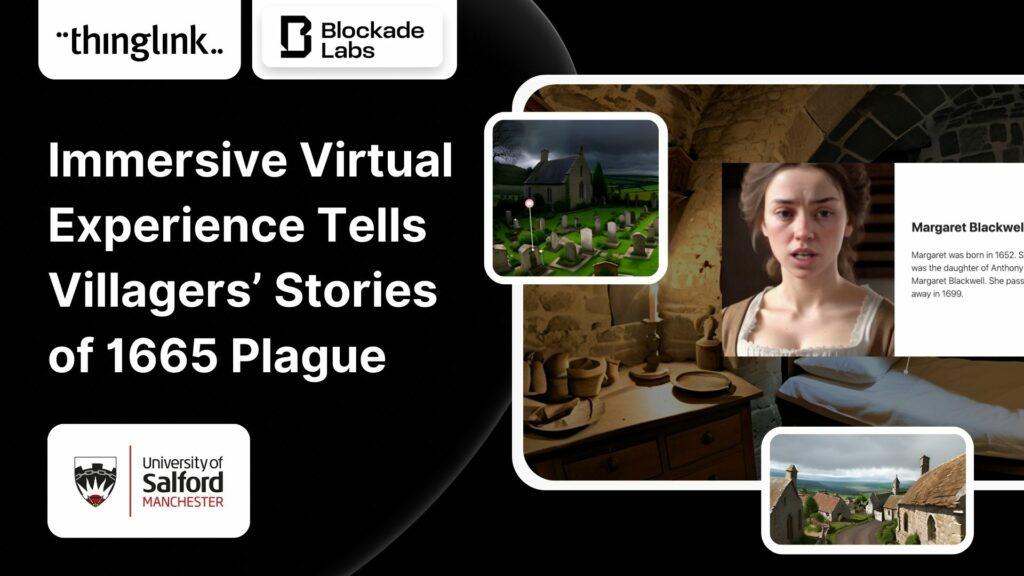
Virtual Field Trips: How Digital Experiences Broaden Student Horizons Without Leaving the Classroom
In today’s rapidly evolving educational landscape, the boundaries of the classroom are expanding like never before. Thanks to technology, students can now explore the world’s wonders, dive into history, and immerse themselves in new cultures—all without stepping outside their school doors. virtual field trips are revolutionizing the way educators expose students to enriching experiences, offering interactive learning opportunities that were onc limited by geography, budget, or logistical challenges. In this article, we’ll uncover how digital experiences are broadening student perspectives, discuss the benefits, share practical tips, explore real-world examples, and offer guidance for implementing virtual field trips in your classroom.
- what Are Virtual Field Trips?
- How Virtual Field Trips Broaden Student Horizons
- Key Benefits of Virtual Field Trips
- Practical Tips for Successful Digital Field Trips
- Case Study: Transforming Learning with Virtual Experiences
- frequently Asked Questions
- Conclusion
What Are Virtual Field Trips?
Virtual field trips are immersive, technology-driven educational experiences that transport students beyond their physical classroom via the internet. By leveraging high-quality videos,360-degree tours,augmented reality (AR),virtual reality (VR),and live interactive sessions,students can “visit” museums,historic landmarks,natural wonders,and even meet with experts around the world. Popular platforms and resources, like Google Arts & Culture, Discovery Education, and National Geographic, curate a vast array of online field trips that align with curriculum standards and learning objectives.
- 360° Tours: Students navigate museums, zoos, and foreign cities virtually.
- Live Expert Interactions: Meet scientists, artists, or park rangers via video calls.
- augmented & Virtual Reality: Fully immersive journeys into space, ancient civilizations, or biological processes.
How Virtual Field Trips Broaden Student Horizons
The real magic of virtual field trips is how they break down barriers and make learning global and inclusive. Here’s how these digital experiences dramatically expand students’ perspectives:
- Access to Global Destinations: From the pyramids of Giza to the rainforests of the Amazon, students can explore places that might otherwise be inaccessible.
- Exposure to Diverse Cultures and Ideas: Learn firsthand about different ways of life, historical events, and scientific discoveries directly from experts or locals.
- Encouragement of Curiosity and Critical Thinking: Interactive tours frequently enough encourage inquiry, prompting students to ask questions, conduct research, and synthesize new knowledge.
- Sparking Passion for Learning: By connecting academic content to real-world experiences, students become more engaged and motivated.
Key Benefits of Virtual Field Trips
virtual field trips offer more than just a cost-effective alternative—they can make education richer and more equitable.Here are some of the most compelling benefits:
1. Cost and Accessibility
- No transportation, tickets, or chaperones required.
- Accessible for all students, including those with disabilities or in remote areas.
2. adaptability and Customization
- Adaptable to various class sizes, grade levels, and subjects.
- Teachers can select digital experiences to align precisely with lesson objectives.
3. Safety and Security
- Reduces risk associated with physical travel.
- Ideal when travel is restricted due to weather or global events.
4. Enhanced Interactivity
- Many platforms include live Q&A sessions, quizzes, and collaborative activities.
- Opportunities for personalized feedback and student engagement.
5. Promotes Digital Literacy
- Builds students’ technical skills and prepares them for modern workplaces.
- Fosters online etiquette and research skills.
A 2021 study found that students participating in virtual field trips scored substantially higher in engagement and knowledge retention compared to customary classroom lessons.
Practical Tips for Successful Digital Field Trips
To maximize the impact of a virtual field trip, strategic planning and thoughtful integration into your lesson plans are key. Here’s how to set your class up for success:
- Choose the Right Platform: Research reputable providers (e.g., Google arts & Culture, Discovery Education) and preview experiences before use.
- prepare Students and Technology: Ensure all devices are charged and connected. Set expectations for behaviour and participation.
-
Integrate Pre- and Post-Trip Activities:
- Pre-trip: Introduce key concepts, vocabulary, or context for the experiance.
- Post-trip: Debrief together, create reflection assignments, or start related research projects.
- Encourage Active Engagement: Foster curiosity by asking guiding questions and pausing during tours for discussion.
- Gather Feedback: Ask students what they enjoyed, found challenging, and learned. Use this feedback to improve future trips.
Case Study: Transforming Learning with Virtual Experiences
Let’s see how a real school harnessed the power of virtual field trips:
Riverdale Elementary Brings NASA to the Classroom
When budget constraints made a traditional field trip to the local science museum out of reach, Riverdale Elementary’s fifth-grade teachers introduced a virtual tour with NASA’s Jet Propulsion Laboratory. Students “walked” through mission control, interacted live with engineers, and watched real footage from Mars rovers. According to teacher Laura Kim, “Our students were riveted—they asked thoughtful questions and later created their own Mars rover models. The digital experience made the science curriculum come alive in a way textbooks simply can’t.”
Frequently Asked Questions About Virtual Field Trips
- Q: What equipment do I need for a virtual field trip?
- Basic setups usually require a computer,tablet,or interactive whiteboard with internet access.For VR/AR experiences, additional headsets may enhance interactivity, but many tools work on standard devices.
- Q: Are virtual field trips suitable for all ages?
- Absolutely! There are digital field trip resources tailored for every grade level, from kindergarten explorations of the zoo to advanced high school visits to the United Nations or art galleries.
- Q: How much do virtual field trips cost?
- Many high-quality virtual field trips are available for free, while others may require a subscription or a small one-time fee. It’s wise to check if your school district offers access to premium platforms.
- Q: How can I assess learning outcomes from a digital field trip?
- Pair the experience with reflection journals, discussion prompts, or creative projects. Many providers offer built-in quizzes and educator guides for assessment purposes.
Conclusion
In an increasingly interconnected world, virtual field trips provide a powerful tool for educators eager to broaden student horizons and cultivate curiosity. By embracing these innovative digital experiences, schools can offer all students equitable access to transformative learning—no passport or permission slip required. Whether you’re exploring ancient ruins,the ocean’s depths,or the surface of Mars,the only limit is your creativity. Start planning your next virtual adventure—your students are sure to be inspired!