
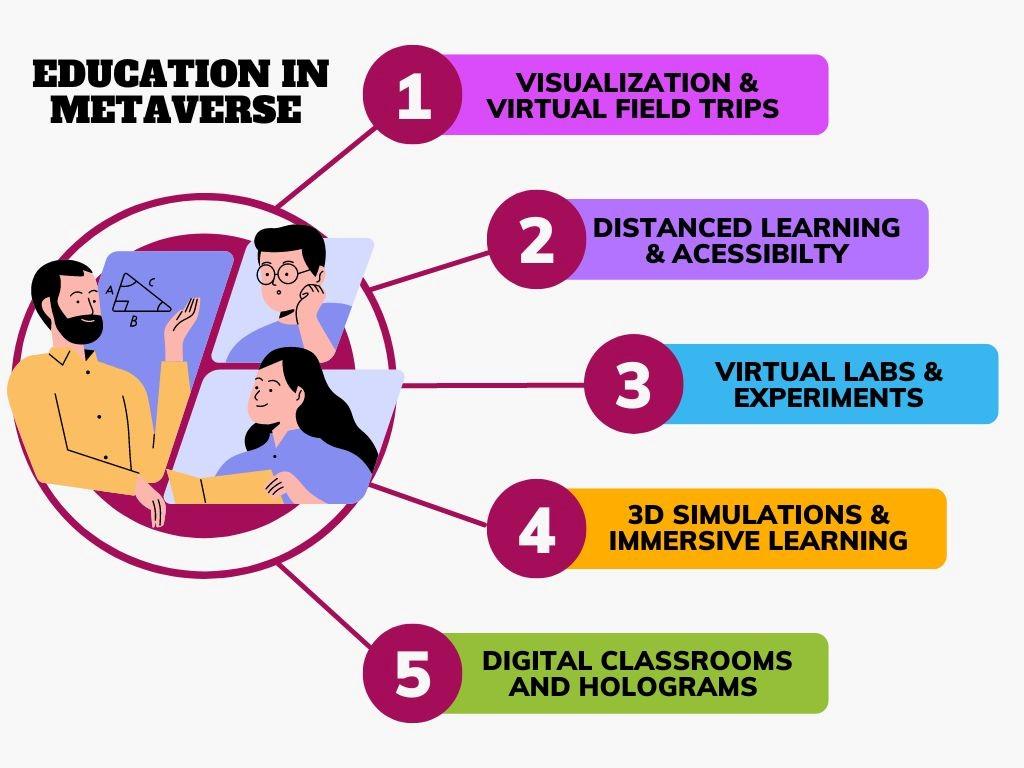
Virtual Field Trips: How Digital Experiences Expand Classroom Learning
As technology continues to transform education, virtual field trips have emerged as a dynamic tool to complement and enhance customary classroom learning.No longer confined by geographic or financial limitations,teachers and students can now explore museums,historical sites,natural wonders,and cultural landmarks from anywhere in the world. In this article, we’ll explore how virtual field trips work, their unique benefits for classroom learning, practical implementation tips, and inspiring real-world examples—unveiling a new era of interactive education.
What Are Virtual Field Trips?
Virtual field trips are interactive, digital experiences that enable students to visit places and connect with experts without leaving their classroom.Leveraging live video streams, pre-recorded tours, augmented reality, and educational content, these digital excursions can transport learners to diverse locations, from the Smithsonian Museum to the coral reefs in Australia.
- Accessible via computers, tablets, or smart devices.
- Often include interactive Q&A sessions, multimedia activities, and collaborative lessons.
- Can be guided by educators,museum staff,scientists,or automated virtual hosts.
Benefits of Virtual Field Trips for Classroom Learning
The integration of virtual field trips into lesson plans substantially expands the educational landscape. here’s why schools across the globe are adopting this innovative approach:
1.Accessibility to Global Learning Resources
Virtual field trips remove barriers related to location, cost, or physical ability. Students from rural, remote, or underserved communities can explore world-class institutions and sites once inaccessible due to logistics.
2. Enhanced Student Engagement
Rich visuals, immersive audio, and interactive elements capture students’ attention. Real-time interactions with experts foster curiosity and direct involvement,making abstract concepts come alive.
3. Support for diverse Learning Styles
Audio, video, reading, and hands-on participation in virtual activities allow for differentiated instruction—addressing the needs of visual, auditory, and kinesthetic learners alike.
4.Curriculum Integration and Adaptability
Teachers can align virtual experiences with curriculum standards in science, history, art, and geography. Flexible scheduling makes it easy to fit these trips into lesson plans or special learning events.
5. Cost and Time Efficiency
Virtual field trips eliminate transportation costs,permission slips,and travel time,maximizing educational exposure without straining school budgets.
How Virtual Field Trips Work: Technology in Action
Triumphant digital field trips leverage a combination of modern technologies and online platforms. Here’s an overview of common formats and tools:
- Live Streaming Events – Real-time guided tours with experts, enabling active student participation and Q&A.
- Pre-Recorded Tours – On-demand experiences suitable for schedule flexibility and repetition.
- 360-Degree Virtual Reality – Immersive environments allowing students to navigate spaces as if they were physically present.
- Augmented Reality Apps – Overlays interactive information on real-world objects via tablets or smartphones.
- Educational Portals – Platforms like Google Expeditions, Discovery Education, or National Geographic Education offer a vast catalog of virtual journeys.
Practical Tips for Implementing Virtual Field Trips
To maximize the impact of virtual field trips in your classroom, consider these practical strategies:
- Define Learning Objectives: Choose trips that align clearly with curriculum goals and essential skills.
- prepare Students: Introduce the topic, share background information, and formulate questions beforehand to spark curiosity.
- Test Technology in Advance: Ensure reliable internet connectivity, test devices, and check software compatibility to prevent interruptions.
- Engage Actively During the Trip: Use guided worksheets, polls, or discussion boards to keep students involved and focused.
- Consolidate Learning: Follow up with reflective discussions, creative projects, or group assignments connected to the trip experience.
- Involve Parents or the Community: Share summaries and invite parents to participate virtually when appropriate.
Case Studies: Virtual Field Trips in Action
The transformative effect of virtual field trips is evidenced across educational settings.Here are two inspiring stories:
Smithsonian Museum Virtual Tour – Washington,D.C.
A fourth-grade class in Ohio participated in a live-streamed tour of the Smithsonian’s national Air and Space Museum. Students interacted with curators,asked questions about space exploration,and collaborated on a STEM project inspired by Apollo missions. The teacher reported a noticeable increase in science engagement and improved critical thinking skills.
Google Expeditions: Exploring Ancient Egypt
A middle school history teacher integrated Google Expeditions to give students a virtual walk through ancient temples and tombs. Using VR headsets,students examined hieroglyphs up close and mapped out their discoveries through an interactive digital scavenger hunt. the multi-sensory approach deepened historical understanding far beyond textbook learning.
First-Hand Experience: Teacher and Student Voices
real feedback from educators and learners paints a vivid picture:
- Laura M., 5th Grade Teacher: “Our virtual field trip to the Monterey Bay Aquarium ignited excitement in my classroom. Students were amazed by live marine animal feedings and even proposed their own environmental activism projects.”
- Jorge S., high School Student: “I never thought I would ‘visit’ NASA headquarters. Seeing engineers explain their work on Mars missions over livestream was awesome and inspired me to pursue STEM.”
Overcoming Challenges in Virtual Field Trips
While the advantages are impressive, virtual field trips come with potential obstacles such as technology accessibility, screen fatigue, and engagement maintenance. The following tips help mitigate these concerns:
- Equitable Access: Work with school IT to provide necessary devices or Wi-Fi hotspots.
- Limit Screen Time: Schedule breaks and combine trips with hands-on activities or outdoor exploration when possible.
- Maintain Engagement: Set clear goals and offer interactive elements like quizzes, creative tasks, or peer discussions.
Conclusion: the Future of Classroom Learning Through Virtual Field Trips
Virtual field trips represent a technological leap that bridges gaps in access, engagement, and possibility. As schools strive to create equitable and exciting learning environments, digital experiences like these prove to be more than a novelty—they’re reshaping how students connect with the broader world and with each other. By embracing virtual field trips, educators foster global awareness, spark lifelong interests, and empower every student to embark on academic adventures from the comfort of their classroom.
ready to transform your teaching? Explore the world of virtual field trips and help your students learn beyond borders!