
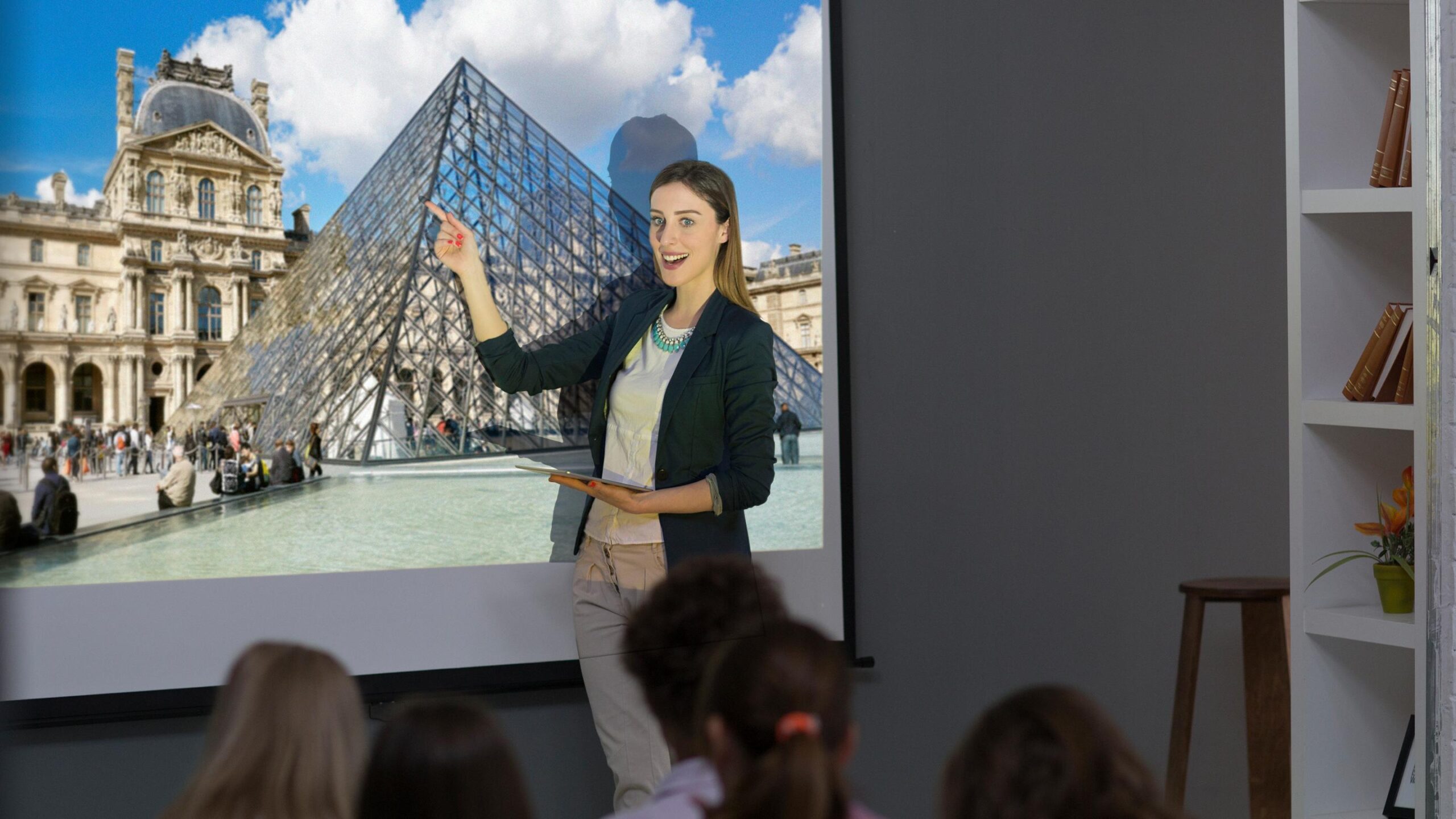
Virtual Field Trips: How Online Adventures Expand Learning Beyond the Classroom
In the dynamic world of modern education, virtual field trips have emerged as an innovative way to enhance classroom learning. By leveraging digital technologies, online field trips break down barriers of distance, cost, and logistics, offering students opportunities to explore the world from the comfort of their own classrooms or homes. This article delves deep into how online adventures are expanding learning horizons, the benefits they bring, practical implementation tips, and real-world success stories.
What Are virtual Field Trips?
A virtual field trip is an educational experience that transports students to museums, historic landmarks, national parks, and even other countries via the internet. Through interactive websites, live video tours, augmented reality, and 360-degree videos, virtual trips simulate the feeling of being physically present at these locations. Unlike traditional field trips,these digital adventures are accessible to any student with an internet connection,anytime and anywhere.
- 360° Video Tours: Explore environments with a panoramic, immersive view.
- Interactive Live Streams: Real-time guided tours with opportunities for student questions.
- Virtual Reality (VR) Experiences: Full immersion with VR headsets and apps.
- Digital Exploration Tools: Timelines, maps, and interactive quizzes for engaging learning.
Why Are Virtual Field Trips Significant in Education?
Virtual field trips aren’t just a technological trend – they represent a powerful shift in how educators can expand learning beyond the classroom. These digital experiences are designed to complement traditional lessons, ensuring all students have equitable access to world-class educational content.
Equitable Access and Inclusion
Traditional field trips can be limited by geographical,financial,and logistical constraints. Virtual field trips remove these boundaries, making it possible for students from rural schools, urban centers, or underfunded districts to experience world wonders, prestigious museums, and more.
Enhanced Engagement and Interactivity
with interactive elements, quizzes, and real-time Q&A sessions, virtual field trips turn passive observation into active learning. Teachers can adapt content for different age groups and learning styles, keeping students engaged and curious.
Cost and Time Efficiency
Virtual adventures eliminate the need for transportation, permission slips, and chaperones, saving time and reducing expenses for schools and families alike.
The Benefits of Virtual Field trips
Taking learning outside the classroom opens new doors for students. Here are some of the key benefits of virtual field trips:
- Global Exploration: Visit renowned sites like the Louvre, NASA Space Centers, the Great Barrier Reef, or the Amazon Forest at the click of a button.
- Curriculum Enhancement: Align content with science, history, art, and geography standards. Many platforms offer lesson plans and supporting materials for educators.
- Real-World Context: Connect classroom lessons to real-life scenarios, boosting comprehension and retention.
- Accessibility: Students with mobility or health limitations can participate equally, fostering an inclusive classroom environment.
- Student Engagement: Gamification, storytelling, and multimedia features foster deeper participation and motivation.
- Learning Differentiation: Easily adapt resources for different ages, languages, and learning needs.
Popular Platforms for Virtual Field Trips
There are numerous reputable platforms offering rich online field trip experiences. Here are some favorites among educators:
- Google Arts & Culture – Explore art collections,world heritage sites,and museums.
- National Geographic explorer Classroom – Live events and virtual journeys for K-12.
- Discovery Education virtual Field Trips – High-quality, curriculum-aligned experiences.
- smithsonian National Museum Virtual tours – Step inside the Smithsonian’s many museums.
- The Conservation foundation – Focused on environmental science and conservation.
- vrfieldtrips.org – Free VR field trips for education.
Practical Tips: How to Make the Most Out of virtual Field Trips
Preparation is Key
- Research and select trips that align closely with your lesson objectives and student interests.
- Preview the digital resource to ensure technical compatibility and content suitability.
- Set clear behavioral expectations and objectives for your students prior to the online adventure.
Maximize Engagement During the Trip
- encourage students to ask questions in real time, or submit questions ahead of scheduled live sessions.
- Incorporate interactive features such as polls, quizzes, or scavenger hunts throughout the tour.
- Use breakout groups for discussions or collaborative tasks related to the trip’s content.
Follow Up with post-Trip Activities
- Debrief with students: Discuss key takeaways and reflect on what they learned.
- Assign projects, presentations, or creative assignments based on the virtual trip experience.
- Create connections to real-world issues or encourage students to explore further independently.
Case Studies: Virtual Field Trips in action
Case study 1: Exploring Ancient Egypt with 6th Graders
When a suburban middle school integrated a Google Arts & Culture tour of Ancient Egyptian artifacts, students expressed greater interest in history lessons. Teachers reported a 40% increase in participation during related discussions, and student test scores improved as real-world context made topics more relatable.
Case Study 2: Science Comes Alive with National Geographic
At a rural high school,science teachers used National Geographic Explorer Classroom to take students on live wildlife expeditions. For many students, it was the first time they’d seen endangered species or remote ecosystems. This exposure led to several students initiating conservation awareness projects in their community.
First-Hand Experiences: What Students and Teachers Say
“It felt like we were right there in the museum! I loved seeing the dinosaur bones and hearing the scientist answer our questions.” – Jamie, Grade 5 Student
“Virtual field trips have made it possible for our students to experience places we could never travel as a class. It levels the playing field and makes learning thrilling.” – Mr.Chen, Middle School Teacher
Frequently Asked Questions About Virtual Field Trips
Are virtual field trips suitable for all grade levels?
Absolutely! Digital field trips can be tailored for preschoolers through high school and even higher education, thanks to age-appropriate resources and adaptable content.
What technology is required?
Most virtual field trips work on standard internet-connected devices such as computers,tablets,or smartphones. For immersive VR, a headset may enhance the experience but is not required for most offerings.
Do virtual field trips replace traditional field trips?
While they offer remarkable benefits, online field trips are best seen as complementary to—not replacements for—in-person experiences. They provide access and flexibility, but the social and sensory aspects of a physical trip remain valuable.
Conclusion: Embrace the Future of Education
As education continues to evolve, virtual field trips stand out as an exciting, inclusive, and effective way to expand learning beyond the classroom. These digital adventures break down barriers, spark curiosity, and help students engage with the world in meaningful ways—no matter where they are. By incorporating virtual field trips into the curriculum, educators empower students to become explorers, innovators, and lifelong learners. Now is the perfect time to embrace these online adventures and enrich your classroom with the wonders of the world—all just a click away.