
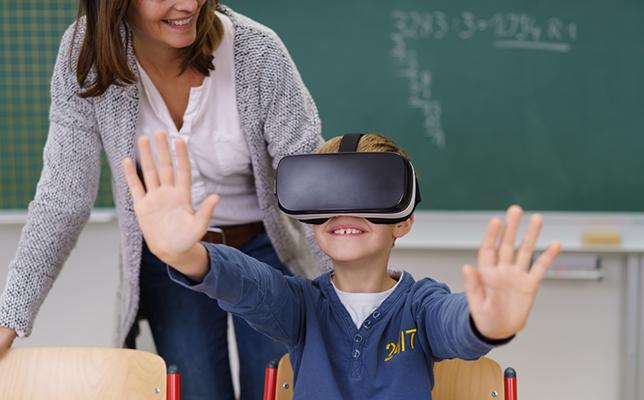
Virtual Field Trips: how Technology Expands Classroom Learning and Horizons
in the digital age, conventional boundaries of the classroom have dramatically shifted. Thanks to technology, teachers and students can now embark on enriching educational journeys without leaving their desks — all through virtual field trips. These immersive experiences open up new worlds and possibilities, reshaping how we think about education and learning beyond the chalkboard.
What Are Virtual Field trips?
Virtual field trips are interactive, online excursions that allow students to explore destinations, ancient sites, museums, and even outer space, all from the safety and comfort of their classroom. Leveraging computer software, apps, VR (Virtual Reality), AR (Augmented Reality), and video conferencing tools, educators can connect students with real-world experiences that were once out of reach.
- Examples: Touring the Great Wall of China, observing wildlife in Africa, stepping onto the International Space Station, or attending live-streamed scientific experiments.
- Platforms: Google Expeditions, Finding Education, National Geographic Live, and even YouTube offer countless options for virtual field trips.
The Benefits of Virtual Field Trips for Classroom Learning
Virtual field trips offer a wealth of advantages for students, teachers, and school communities. Here’s how technology is making educational experiences more accessible, engaging, and effective:
1. access to Global Destinations
Bring the world to your classroom! Virtual field trips break down geographical and financial barriers, enabling students in any location to visit global landmarks, cultural sites, and science centers, often at little or no cost.
2. Enhanced Student Engagement
Interactive multimedia, live chats with experts, and immersive 3D environments captivate students’ attention. these dynamic learning environments boost motivation, retention, and curiosity.
3. Inclusivity and Accessibility
Students with physical limitations, medical needs, or those in remote areas can fully participate in field trips. Closed captions, translated materials, and adjustable content make experiences inclusive for all learners.
4. Cost-Effective Learning
say goodbye to expensive travel, admission fees, and logistics! Virtual field trips are frequently enough free or require minimal investment, making them ideal for schools with tight budgets.
5.Customizable and Flexible
Teachers can tailor experiences to match curriculum goals, age levels, and special interests. Virtual trips can be paused, repeated, or extended to fit lesson plans and classroom schedules.
Real-World applications: Case Studies and Success Stories
Smith elementary School’s Journey to NASA
Located in a rural district, Smith Elementary lacked resources for in-person field trips.By incorporating live NASA broadcasts and virtual tours of the Kennedy Space Center, students engaged directly with astronauts and mission control. Teachers reported a 40% increase in science engagement and a new enthusiasm for STEM careers among their students.
Exploring the Louvre from the Midwest
A high school French class in Ohio participated in a virtual visit to the Louvre Museum, complete with guided tours by French-speaking curators. Students practiced language skills, analyzed art history, and wrote essays on their ‘virtual discoveries.’ This activity brought French culture to life in a way textbooks couldn’t match.
Eco-Project Collaboration in Real Time
Using cloud platforms and VR, a group of middle schoolers collaborated with scientists on rainforest preservation projects via live feeds from the Amazon. The project not only fostered environmental literacy but also inspired cross-continental teamwork.
Practical Tips for Implementing Virtual Field Trips
Ready to bring virtual field trips into your classroom? Explore these actionable strategies to ensure engaging, effective, and memorable learning experiences:
- Choose Reputable Platforms: Select well-known virtual field trip providers such as Discovery education, google Expeditions, or Smithsonian Learning Lab for high-quality experiences.
- prepare Students: Share background information, set learning objectives, and create anticipation before your trip. This fosters curiosity and engagement.
- Encourage Interaction: Leverage chat features, Q&A sessions, and real-time expert interviews to make the trip interactive.
- Integrate Curriculum: Align experiences with lesson plans, assignments, and assessments. Use field trip content to spark discussions and projects.
- Ensure Accessibility: Confirm that technology is compatible with your devices and accommodates students with special needs.
- Reflect and Review: After the trip, debrief with students.Prompt reflection, open-ended questions, and creative assignments related to the excursion.
Firsthand Experiences: Student and Teacher Perspectives
Megan L., 5th Grade Teacher: “Our virtual visit to the National Aquarium allowed my students to interact with marine biologists. They asked questions live and saw creatures up close — something we couldn’t have done physically. The excitement and learning went beyond our expectations!”
Aaron P., 7th Grade Student: “Before our virtual field trip to Machu Picchu, I had only read about it in textbooks. Seeing it in 360° and hearing local guides talk about its history made me want to learn more about ancient civilizations.”
Such powerful testimonials speak to the ability of virtual field trips to spark interest, deepen understanding, and create lasting educational memories.
Overcoming Challenges: Navigating Technology and Engagement
While virtual field trips offer many advantages, teachers may encounter obstacles. Here’s how to tackle common challenges:
- technical Issues: Test software and internet connections ahead of time. Prepare a backup plan or alternative activity if issues arise.
- Student Engagement: Use interactive tools,group activities,and real-world assignments to keep participation high.
- privacy and Safety: Choose secure platforms that comply with educational privacy standards.Monitor student interactions and protect personal data.
The Future of Virtual Field Trips in Education
As technology evolves, virtual field trips are becoming increasingly sophisticated, with full VR immersion, AI-driven tours, and multilingual accessibility. These innovations will continue to empower educators to provide personalized, global learning journeys for every student.
Hybrid models that blend digital and in-person experiences are also emerging, maximizing the impact and inclusivity of field trips for diverse learning environments.
Conclusion: Expanding Horizons with Virtual Field trips
Virtual field trips are revolutionizing classroom education. From bringing global destinations into local classrooms to fostering collaboration and creativity, technology enables teachers and students to venture beyond textbook learning. By embracing virtual excursions, educators nurture curiosity and global awareness — vital skills for the 21st century. Whether your classroom is urban,suburban,or rural,the world is just a click away.
Ready to enrich your curriculum? Start planning your next virtual field trip and open the doors to endless learning adventures. Explore,engage,and expand your classroom’s horizons,one digital journey at a time.