
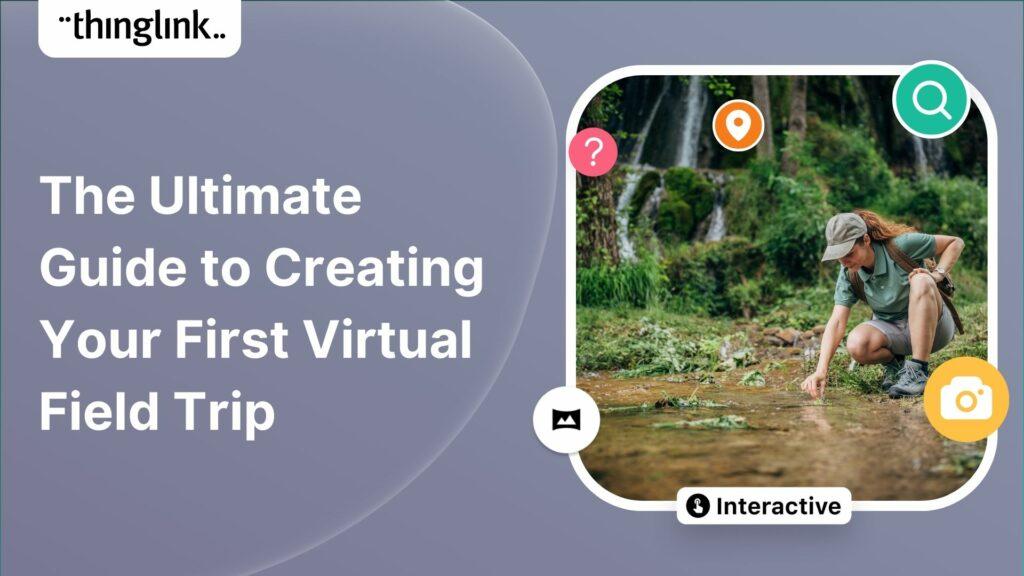
Virtual Field Trips: How Technology Expands Student Horizons Without Leaving the Classroom
In an increasingly digital world, education is undergoing a revolution. One of the most exciting developments is the rise of virtual field trips, powered by technology that brings the farthest corners of the globe into classrooms everywhere. No longer limited by geography or budgets, students can now explore museums, national parks, historic sites, and even distant planets—without ever leaving their chairs. This article explores how virtual field trips are transforming learning, their myriad benefits, and how educators can make the most of these powerful tools.
What Are Virtual Field Trips?
Virtual field trips are online educational experiences that use technology such as video conferencing, virtual reality (VR), augmented reality (AR), and interactive websites to transport students to new locations and experiences. These immersive journeys are designed to supplement classroom instruction, providing real-world context that textbooks alone cannot offer.
- Live-streamed tours of museums, science centers, and ancient landmarks
- Interactive platforms with 360-degree panoramic videos and virtual walkthroughs
- VR field trips to inaccessible locations, like space stations or ancient cities
- Guided sessions with experts from around the world
Benefits of Virtual Field Trips in Education
The adoption of virtual field trips offers important advantages to both students and educators. Here are some compelling reasons to embrace this innovative approach:
1. access to Diverse Destinations
Students can explore locations that would otherwise be out of reach, from international museums to remote ecosystems. Whether it’s the Louvre in Paris or the Amazon Rainforest, technology removes geographical barriers.
2. Cost-Effective Learning
Conventional field trips frequently enough demand high transportation, accommodation, and administrative costs. Virtual field trips drastically reduce expenses, allowing schools to offer more frequent and varied experiences on a modest budget.
3. Safe and Convenient
Safety concerns and logistical challenges typically associated with physical excursions are virtually eliminated.Students participate from the safety and comfort of the classroom,quickly shifting between diffrent virtual destinations without disruption.
4. Inclusive and Accessible
For students with physical disabilities or those in remote areas, virtual field trips ensure inclusivity. All learners have equal prospect to engage with curriculum-enhancing experiences.
5. Enhanced Engagement and Retention
Interactive visuals, real-time Q&A sessions, and immersive content can increase student engagement and help them retain information more effectively. Research shows experiential learning leads to better academic outcomes.
6. Scalability for Large Groups
Teachers can organize large-scale field trips without worrying about chaperones or transportation logistics. Virtual platforms scale easily to accommodate many students at once.
Popular Platforms and Tools for Virtual Field Trips
Numerous platforms facilitate virtual field trips, each with unique features suited to different educational needs. Some of the most popular include:
- Google Arts & Culture – Access virtual tours of thousands of museums, landmarks, and galleries worldwide.
- Discovery Education – Offers interactive virtual field trips aligned to various curricula, often with expert guides.
- NEO Learning – Specialist provider focusing on science and environmental experiences with VR technology.
- Skype a scientist – connects classrooms with scientists for real-time, interactive Q&A and learning sessions.
- National Geographic Education – Features immersive videos, live events, and interactive maps for STEM and social studies topics.
Educational institutions increasingly leverage custom solutions, using platforms like Zoom or Microsoft Teams for hosting live, interactive sessions. Emerging technologies in VR and AR promise even more lifelike experiences in the near future.
Practical Tips for Teachers: How to Implement Virtual Field Trips Successfully
Making the most of virtual field trips involves thoughtful planning and creative integration.Here are proven strategies for educators:
- Align with Curriculum
Choose virtual experiences that support learning objectives and reinforce classroom topics.
- prepare Students in Advance
Share background information, set expectations, and assign pre-trip research to pique curiosity.
- Promote Interaction
Encourage students to ask questions, participate in live discussions, and share observations.
- Follow Up Activities
Assign reflections,creative projects,or group presentations to solidify learning and link to assessments.
- incorporate Multimodal Elements
Use videos, quizzes, polls, and virtual scavenger hunts to keep students engaged throughout.
- Test Technology Ahead of Time
Verify that all devices, internet connections, and software platforms function smoothly before the trip begins.
Case Studies: Virtual Field Trips in Action
Many schools have already witnessed the transformative effects of virtual field trips. Here are two real-world examples:
1. Exploring Ancient Egypt from the classroom
A fifth-grade class in Ohio partnered with the British Museum for a live, interactive tour of the Egyptian exhibit. Using high-resolution cameras, museum educators engaged students with ancient artifacts, hieroglyphics, and stories from history. Post-trip feedback showed improved interest and understanding of world history topics.
2. Science in the Rainforest—Virtually
A middle school science teacher in Colorado used NEO Learning’s rainforest VR module to supplement a unit on ecosystems. Students donned VR headsets, interacted with 3D models, and studied biodiversity thru guided virtual walks.This immersive approach led to greater retention and sparked passionate debates during class discussions.
First-Hand Experience: Student and Teacher Perspectives
Here are testimonials from participants who have embraced virtual field trips:
“Seeing real artwork at the Van Gogh Museum, even through a screen, made history and art class finally come alive for me. I could ask the guide questions and see details up close, which made it really exciting!”
—Julia, 8th grade student
“Virtual field trips have allowed me to offer global perspectives and connect students with experts. It’s amazing to see their curiosity grow, and it’s a solution for schools that have limited resources for traditional trips.”
—Mr. Thompson, Social studies Teacher
The future of Virtual Field Trips
As edtech evolves, virtual field trips will become even more immersive, interactive, and accessible.Augmented reality and artificial intelligence are set to play greater roles, enabling personalized learning journeys tailored to individual interests and abilities. Schools may also form global partnerships to create cross-cultural experiences, fostering understanding and empathy among students worldwide.
- Advanced VR headsets for fully immersive simulations
- AI-powered guides for customized Q&A sessions
- Augmented reality overlays, bringing virtual artifacts into the physical classroom
- Collaboration platforms for real-time group projects across continents
Conclusion: Technology Opens Boundless Opportunities
Virtual field trips are more than just a digital substitute for traditional excursions—they are a transformative force in modern education. By using technology to expand student horizons, educators can enhance learning outcomes, nurture curiosity, and prepare students to succeed in a globally connected world. With thoughtful implementation, virtual field trips will continue to empower learners, making education more experiential, inclusive, and engaging than ever before.
If you’re looking to integrate virtual field trips into your classroom or school, start by exploring available platforms, planning trips that complement your curriculum, and fostering a spirit of discovery among your students. The world is waiting—virtually!
Ready to bring the world to your classroom? Explore, experience, educate—without boundaries.