
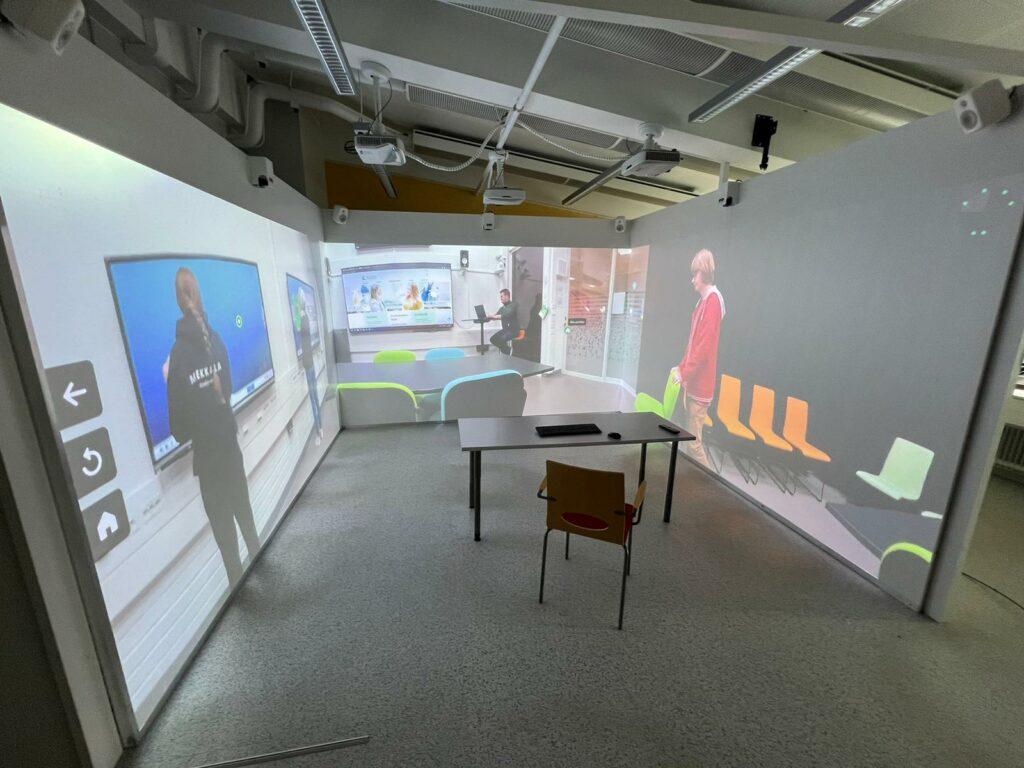
Virtual Field Trips: How Technology is Expanding Learning Beyond the classroom
Virtual field trips are revolutionizing education. Thanks to cutting-edge technology, students now explore museums, historical sites, and even outer space—all without leaving their classrooms. In this thorough guide, discover how virtual field trips are expanding learning horizons, engaging students, and breaking down classroom walls to bring unforgettable experiences to life.
What Are Virtual Field Trips?
Virtual field trips are interactive learning experiences that use digital technology—such as video conferencing, 360-degree videos, augmented reality (AR), and virtual reality (VR)—to transport students to locations across the globe. Unlike customary field trips, these online journeys:
- Are accessible from any internet-connected classroom or at home
- Eliminate travel costs and logistical barriers
- Provide safe, flexible, and inclusive learning opportunities
Teachers and students can virtually visit landmarks, art galleries, national parks, factories, zoos, and more, enhancing their curriculum through immersive and engaging digital experiences.
the Evolution of Field trips: From Buses to Broadband
Traditional field trips have always been an exciting part of education, offering real-world exposure outside the school surroundings. However, tight budgets, safety concerns, and logistical challenges limited their frequency and accessibility.
Technology has changed the game. The growth of high-speed internet and the proliferation of educational tools have enabled virtual tours to become mainstream. Today, classes can connect in real-time with experts, participate in live Q&A sessions, and even conduct experiments in far-away labs—no permission slips required!
Key Benefits of Virtual Field Trips for Education
Virtual field trips offer unique advantages that are tough to achieve with traditional methods. Here’s why more educators are making the switch:
- Accessibility: Students with physical disabilities or those in remote areas get equal opportunities to explore and learn.
- Cost-Effective: No expenses for buses, entry fees, or chaperones—virtual trips are a budget-friendly solution for schools.
- Adaptability: Easily integrate with daily lessons or special projects; repeat, pause, and revisit places anytime.
- Safety: Virtual trips eliminate the risks associated with travel and large group outings.
- Engagement: interactive multimedia content including games, quizzes, and live discussions boost students’ motivation and curiosity.
- Real-Time Interaction: many platforms enable direct interaction with field experts, museum guides, or scientists.
- Diverse Content: Explore global cultures, historical eras, and scientific phenomena—not just local sites.
How Technology Powers Virtual Field Trips
Modern educational technology makes immersive digital exploration possible. Here’s a brief overview of tech tools supporting virtual field trips:
- Virtual Reality (VR): Headsets create realistic 3D environments, letting students “walk through” places like the Great Wall of China or the International Space Station.
- Augmented Reality (AR): Smartphone and tablet apps overlay digital information onto the real world—a great tool for interactive museum exhibits.
- 360-Degree Videos: Panoramic video tours let students control where they look, delivering an immersive sense of being there.
- Live Video Conferencing: Platforms such as Zoom and Microsoft Teams connect classrooms with park rangers, historians, or marine biologists for real-time guided tours.
- Educational Apps and Websites: Tools like Google Arts & Culture, Discovery education, and National geographic offer rich virtual experiences.
Popular Virtual Field Trip Destinations
Some of the world’s best museums and natural wonders are now just a click away. Popular virtual field trip destinations include:
- The Louvre Museum (Paris) – Virtual tours of art masterpieces
- Smithsonian National Museum of Natural History (Washington, D.C.) – Interactive 360-degree gallery tours
- Yellowstone National Park (USA) – Educational explorations of wildlife and geothermal features
- The Great Barrier Reef (Australia) – Underwater journeys via VR and video
- NASA’s Johnson Space Centre – Meet astronauts and explore space technology
These digital journeys are updated regularly with new exhibits, expert commentary, and interactive activities aligned to classroom topics.
Practical Tips for organizing Virtual field Trips
Planning a virtual field trip? Here are some actionable steps for educators to maximize the learning experience:
- Identify Learning Goals: Align your destination with the curriculum and define clear objectives for your students.
- Choose the Right Platform: Evaluate platforms based on user-friendliness, interactivity, and age-appropriate content.
- Test Technology in Advance: Ensure all required software, hardware, and internet connections are working smoothly.
- Prepare Students: Brief them on what to expect, set ground rules for participation, and share guiding questions.
- Encourage Interaction: Let students ask questions,take notes,and participate in online discussions during the tour.
- Follow-Up Activities: Assign creative reflection tasks, such as writing reports, presentations, or art projects based on their virtual experiences.
Case Studies: Real-world Impact of Virtual Field Trips
Case Study 1: Enhancing Science Education at Willow Elementary
At Willow Elementary School in California, 5th-grade students took a virtual field trip to the Monterey Bay Aquarium via live video feed. During the session,marine biologists answered students’ questions about ocean conservation,and students observed live animal feedings. Surveys showed increased engagement and a 30% boost in understanding marine ecosystems compared to traditional lessons.
Case Study 2: Cultural Immersion in a Language Classroom
High school Spanish teachers implemented a series of virtual field trips to MadridS landmarks, enabling students to interact with native speakers and tour historical sites virtually. As a result, students developed better listening and speaking skills in a real-world context, and their cultural competence ratings improved dramatically.
Real Experiences: Teacher & Student Insights
“Our virtual visit to the British Museum sparked curiosity and led to more in-depth independent research projects!”
– Ms. Kim, Middle School Social Studies Teacher
“It felt like I was really walking with the dinosaurs!”
– James, 4th Grade Student
Teachers and students consistently report that virtual field trips make learning more memorable and meaningful. By immersing students in realistic environments, these experiences foster questions, spark creativity, and deepen subject understanding.
challenges and Limitations
While virtual field trips are powerful learning tools, there are some challenges to consider:
- Technology Access: Not all students have reliable devices or high-speed internet at home.
- Lack of Physical Interaction: Virtual trips can’t fully replace the sensory experiences of real-world visits.
- Screen Fatigue: Extended time online can tire students; balance is essential.
- Teacher Training: Educators need support and professional development to use digital tools effectively.
Addressing these barriers is crucial to maximize the potential of technology-driven learning.
Conclusion: The Future of Learning is Boundless
Virtual field trips are redefining what’s possible in education. By harnessing technology, they expand learning far beyond the classroom, providing engaging, equitable, and cost-effective opportunities for students everywhere. As more educators embrace these digital journeys, the world truly becomes the classroom—preparing students for an interconnected, global future.
Whether used to supplement standard lessons or as a gateway to novel topics, virtual field trips offer an exciting glimpse into the future of learning. As technology continues to evolve, expect these digital adventures to become even more interactive, accessible, and impactful.