
virtual field Trips: How to Expand Students’ Horizons Without Leaving the Classroom
In today’s rapidly evolving educational landscape, virtual field trips have emerged as a groundbreaking way to deliver immersive learning experiences. As classrooms around the world integrate more technology, teachers are discovering innovative ways to transport students to far-off museums, ancient sites, and natural wonders — all without ever leaving the classroom. But how do virtual field trips work, and why are they becoming such a valuable part of modern education? Let’s explore the world of virtual field trips, uncover their benefits, and offer practical tips for teachers looking to make the most of these digital adventures.
What Are Virtual Field Trips?
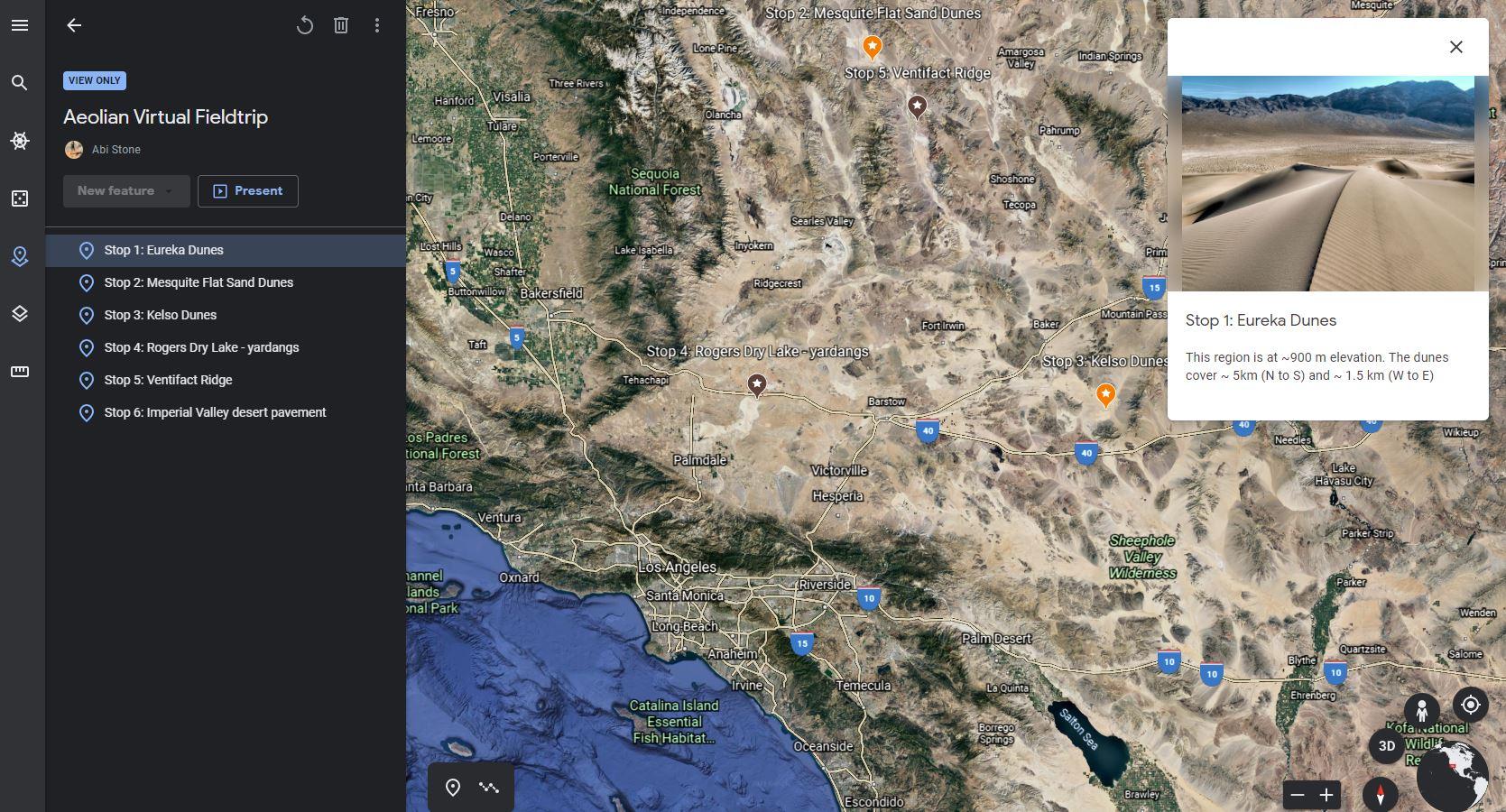
Virtual field trips are guided explorations using technology that allow students to experience places or events remotely, often in real-time or through high-quality pre-recorded content. These digital journeys might take students through an art museum in paris, showcase a live volcano in Hawaii, or provide an inside look at a space station, all via a computer or tablet.
- Interactive 360-degree tours: use immersive images, videos, or VR tools to offer a “look around” experience.
- Live video conferencing: Educators and guides interact directly with students via platforms like Zoom or Google meet.
- Educational websites: Institutions such as NASA, Smithsonian, and National Geographic offer structured digital field trips with lessons and activities.
Benefits of Virtual Field Trips in Education
Integrating virtual field trips into the curriculum opens up a world of opportunities for students and teachers alike. Hear’s how these online experiences can positively impact learning:
1. accessibility for All Students
- Break down geographic barriers: Even remote or rural schools can access top museums, national parks, and cultural sites.
- Accommodate various needs: Virtual trips are ideal for students with physical disabilities or health constraints.
2. Cost-Effectiveness
-
No more expensive buses, hotel stays, or entrance fees. Most virtual field trips are free or low-cost.
3. Safety and Supervision
-
Teachers can maintain a safe and controlled learning surroundings while still giving students an authentic feel for the world outside.
4. Adaptability and Customization
-
Teachers can select destinations and themes that align with their curriculum, and repeat or review the experience at any time.
5. engaging and Interactive Learning
-
Digital tools offer quizzes, games, simulations, and live Q&A sessions to boost student engagement.
-
Students become active participants, rather than passive observers.
Top Virtual Field Trip resources for Teachers
The internet is overflowing with remarkable resources offering virtual field trips for students. Here are some of the best platforms to get started:
- Google Arts & culture: Explore artworks, monuments, and historical sites with immersive 360° tours.
- Discovery Education: Offers curriculum-aligned interactive field trips across science, history, and more.
- Smithsonian National Museum of Natural History: Experience guided virtual tours through world-class exhibits.
- National Geographic Explorer Classroom: Live events with scientists and explorers from around the globe.
- Nasa Virtual Tours: Step into space centers, missions, and planetary surfaces with interactive resources.
- Mystery Science: Hands-on, video-based science lessons that immerse students in real-world exploration.
- The Louvre & The British Museum: Iconic museums offering rich virtual walk-throughs and educational material.
How to Plan a Successful Virtual Field Trip
Like any educational endeavor,successful virtual field trips require thoughtful planning. Here are practical steps to guide educators:
-
Define Learning Objectives:
Map the field trip’s goals to curriculum standards and desired student outcomes.
-
Preview the Content:
Test all technology, check the usability of platforms, and confirm age-appropriateness.
-
Prepare Pre-Trip Activities:
Provide background knowledge or introduce essential vocabulary to maximize student understanding.
-
Engage During the Trip:
Encourage students to take notes, ask questions, and participate in live chats or polls.
-
Plan Post-Trip Assignments:
Assign essays, presentations, or creative projects to reinforce learning and allow students to reflect.
Teacher Tips: Making the Most of Virtual Field Trips
- Set clear expectations: Outline participation rules and digital etiquette before the trip begins.
- Combine with other media: Use related books, documentaries, or podcasts to enrich the virtual experience.
- invite guest speakers: Many facilities offer live experts who can answer students’ questions in real-time.
- Encourage student-led exploration: Allow students to choose which aspects to investigate further, fostering ownership of learning.
- Integrate assessment: use quizzes, reflection journals, or group discussions to measure understanding.
Real-World Examples: Success Stories from the Classroom
Case Study: Bringing History to Life
Ms. bennett, a middle school teacher in Michigan, used the Smithsonian’s virtual tour of the National Museum of African American History and Culture to kick off a Civil rights unit. Students viewed artifacts, interacted with primary sources, and participated in a live video Q&A with museum staff. “My students were captivated,” Ms. Bennett reports. “They asked thoughtful questions and were eager to explore more after the trip.”
Case Study: STEM Learning Without borders
at a public elementary school in rural Texas, students “visited” NASA’s johnson Space Center using an interactive virtual tour. Hands-on activities and narration from NASA educators helped demystify complex space science topics. “Virtual field trips have leveled the playing field for our students,” says Mr. Lopez, tech coordinator. “We’re providing experiences they wouldn’t have because of cost or distance.”
Overcoming Challenges & Making Virtual Field Trips Inclusive
Despite their many advantages,virtual field trips come with unique challenges. Teachers can overcome these by planning ahead:
- Technology gaps: Ensure all students have reliable access to devices and internet connectivity. Offer options to join synchronously or asynchronously as needed.
- Attention span: Break the virtual trip into shorter segments with active tasks and discussion breaks to keep students engaged.
- Inclusivity: Choose experiences with subtitles, audio guides, or multi-language support to accommodate all learners.
Conclusion: The Future of Field Trips Is Virtual
Digital learning is here to stay, and virtual field trips are proving that meaningful, memorable experiences don’t always require a bus ride or a permission slip. By leveraging the power of technology, educators can bring the world into the classroom, fostering curiosity, empathy, and global understanding in every student. With thoughtful planning, the right resources, and an openness to creative teaching, virtual field trips can expand horizons like never before — ensuring every child has access to a richer, more connected education.
Ready to embark on your own virtual adventure? Start exploring today, and watch your students’ excitement and understanding grow!