
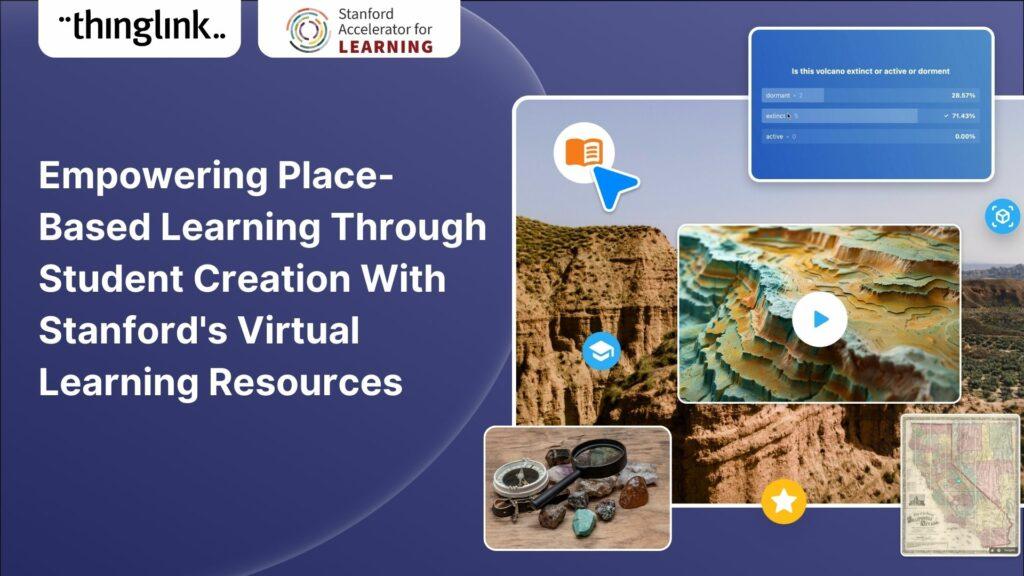
Virtual Field Trips: Transforming Classroom Learning and Broadening Student Horizons
The world is more interconnected than ever before,and the realm of education is evolving to keep pace.
Virtual field trips are rapidly transforming classroom learning, making it possible to bring the wonders of the world straight to students’ screens.
With just a few clicks, learners can explore the pyramids of Egypt, dive under the ocean, wander through the Louvre, or participate in live science experiments with leading researchers.
In this comprehensive guide, we’ll explore how virtual field trips work, their benefits, and practical tips for making them a pivotal part of educational experiences.
What Are Virtual Field Trips?
Traditionally, field trips meant organizing a class outing to a museum, national park, or cultural site.
However, cost, distance, and logistics often made these experiences limited or inaccessible for many.
Virtual field trips utilize technology—such as live video streaming, 360-degree tours, interactive maps, and augmented reality—to bring exciting, real-world experiences into the classroom.
These trips can be:
- Live and Interactive: students connect with experts or guides in real-time and ask questions.
- Pre-recorded and Self-paced: Learners explore immersive multimedia content at their own speed.
- Augmented/Virtual Reality (AR/VR) Experiences: Immersive missions using VR headsets or AR-enabled devices.
No matter the format, virtual field trips are making possibilities endless for teachers and learners.
Key Benefits of Virtual field Trips in Classroom Learning
Integrating virtual field trips in classroom learning opens up a world of possibilities. Here are some of the most significant advantages:
- Access to Global Resources: Students can explore places and cultures far beyond their local environment—no passport required.
- Equity in Education: All students,regardless of economic background or physical ability,can enjoy enriching experiences.
- Cost-Effective and Time-Efficient: Without travel costs and the need for permission slips, schools save both time and money.
- Real-World connections: Learners interact with subject matter experts, scientists, or tour guides for a deeper understanding.
- Interactive and Engaging content: Gamification, quizzes, and live chats keep students engaged and curious.
- Flexible and Adaptable: Trips can be tailored to suit age levels, interests, and curriculum standards.
Popular Platforms for Virtual Field Trips
Many organizations now offer innovative platforms geared toward educational virtual field trips. Here are a few examples:
- Google Arts & Culture: Take virtual tours of world-renowned museums and heritage sites.
- Discovery Education: Offers a wide range of interactive virtual tours and live events.
- National Geographic Explorer Classroom: Connects students with scientists and explorers around the globe.
- Smithsonian Learning Lab: Provides immersive learning experiences with digital collections.
Real-World Case Studies: Virtual Field Trips That Made an Impact
Case Study 1: Exploring The Great Barrier Reef
At Lincoln Middle School,seventh-grade science students participated in a live-streamed virtual field trip to the Great Barrier Reef.
Using 360-degree video technology, students observed coral bleaching events and marine biodiversity.Afterwards, they engaged in a live Q&A with researchers on-site.
- Outcome: Students reported increased interest in marine biology and environmental conservation. Teachers noted a 30% improvement in exam scores on related topics.
Case Study 2: Virtual Museum Partnerships
An elementary school partnered with the Smithsonian to give students a virtual tour of the National Air and Space Museum. Interactive activities and expert commentary helped students grasp complex concepts in aeronautics and space exploration.
- Outcome: The virtual field trip sparked collaboration on space-themed projects across math, science, and art classes, showcasing the power of cross-curricular connections.
First-Hand Experiance: A Teacher’s Perspective
“When I brought my students on a virtual field trip to NASA’s Mission Control, I saw their inspiration ignite.
One student told me, ’I never thought I could be a scientist until I asked a real NASA engineer a question.’
Virtual field trips open doors for my students in ways I never dreamed possible.”— Mrs. Janet Hughes, 5th Grade Teacher
Tips for Implementing Virtual Field Trips in Your Classroom
- align with Learning Objectives: Choose trips that link directly to curriculum goals and spark student curiosity.
- Prepare in Advance: Test all required technology beforehand and share access instructions with students and parents.
- Encourage Active Participation: Ask students to prepare questions, participate in live discussions, or complete follow-up assignments.
- Debrief and Connect: After the trip, hold a class discussion or group project to reflect on what was learned.
- Adapt for Accessibility: Ensure content is accessible to students with different learning needs by providing captions, transcripts, and visual aids.
Potential Challenges and How to Overcome Them
While virtual field trips are powerful educational tools, they can present a few hurdles:
- Technical Issues: Not all students may have access to reliable internet or devices. Consider providing alternative assignments or scheduling device-sharing sessions.
- engagement Levels: Keep field trips interactive with polls, group discussions, and hands-on activities that relate to the experience.
- Quality of Content: Vet all resources in advance to ensure factual accuracy and age-appropriate materials.
By planning thoughtfully and using the right platforms, most barriers to prosperous virtual field trips can be effectively managed.
Conclusion: Expanding Student Horizons with Virtual Field Trips
Virtual field trips are revolutionizing classroom learning, making the impractical possible and ensuring equitable access to transformational experiences.
As technology continues to evolve, educators have an unprecedented prospect to inspire curiosity, foster global citizenship, and connect students to the wonders of our world.
By embracing virtual field trips, we not only broaden student horizons but also prepare them to thrive in a diverse, rapidly changing society.
If you haven’t yet explored the possibilities of virtual field trips in your classroom, now is the perfect time to start.Step beyond the classroom walls—and watch your students’ imaginations take flight!