
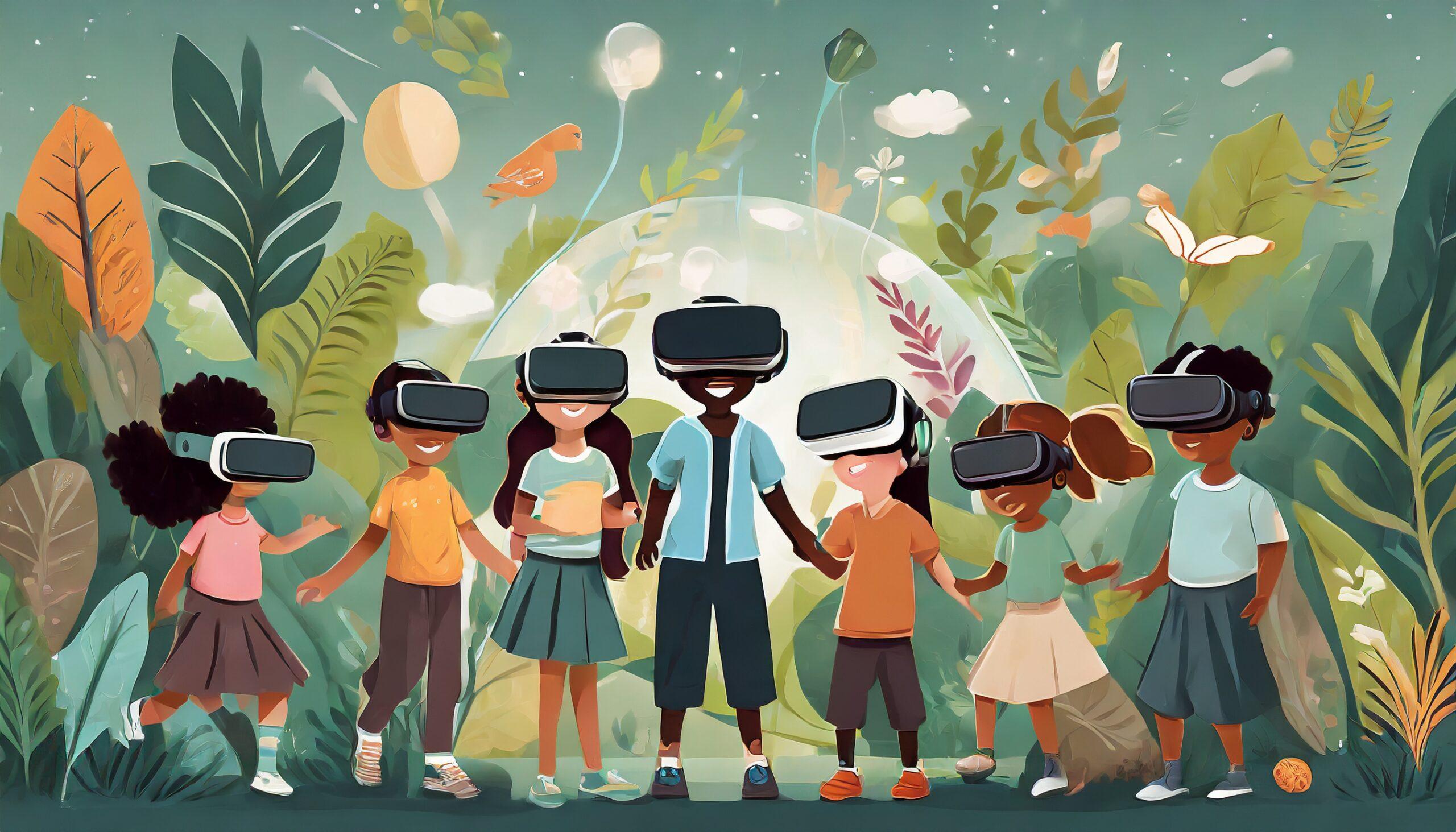
Virtual field Trips: Transforming Classroom Learning & Broadening Student Horizons
In today’s digital age, virtual field trips are revolutionizing the education landscape. By harnessing technology, teachers can now transport their students to world-renowned museums, ancient landmarks, wildlife sanctuaries, and even outer space—without ever leaving the classroom. Virtual field trips are not just convenient; they’re transforming classroom learning and broadening student horizons in ways we never imagined before.
What Are Virtual Field Trips?
A virtual field trip (VFT) leverages digital technology and the internet to take students to new and exciting locations around the globe. Through live-streamed events, pre-recorded video tours, interactive activities, and virtual reality experiences, learners can explore destinations that might otherwise be inaccessible due to distance, cost, or logistical barriers.
- Explore world-famous museums and galleries
- Visit historical sites and ancient civilizations
- take guided nature walks through rainforests, oceans, and savannas
- Participate in interactive science labs and experiments
- Engage with experts, scientists, and passionate educators worldwide
Top Benefits of Virtual Field Trips in Education
By integrating virtual field trips into classroom learning, educators unlock a wide array of benefits for their students. Here are some reasons why these digital adventures are transforming modern education:
1. Accessibility and Inclusivity
- Overcome geographical barriers: Students can visit sites across the world, regardless of where they live.
- Include all students: Learners with disabilities or limited mobility can fully participate.
- Bridge socio-economic gaps: Virtual trips are often free or low-cost, making them accessible to all classrooms.
2. Enhanced Engagement & Interactive Learning
- Immersive experiences: Interactive simulations, quizzes, and live Q&As boost student engagement.
- Support diverse learning styles: Visual, auditory, and kinesthetic learners all benefit from dynamic content.
3. Real-World Connections
- contextual understanding: Students connect classroom lessons with real-world applications.
- Career exploration: Interactions with professionals inspire future ambitions.
4.Time and Cost Efficiency
- No travel costs, permission slips, or time-consuming logistics required.
- More frequent and diverse learning opportunities throughout the school year.
5. Safe and Controlled Environment
- Reduce risks associated with traditional field trips.
- Foster safe, monitored, and distraction-free learning experiences.
How to Integrate Virtual Field Trips Into Your Classroom
Ready to enhance your teaching with virtual field trips? Follow these practical tips for a smooth and impactful experience:
- Align with Curriculum: Choose virtual destinations that reinforce your learning objectives and classroom topics.
- Prepare Students in Advance: Introduce the trip, review key vocabulary, and encourage students to brainstorm questions in advance.
- Leverage Technology: Make sure your classroom devices are capable of streaming video or running interactive platforms. Test all links and software beforehand.
- Foster Interactivity: Select VFTs that invite participation—polls,chat,quizzes,or Q&A sessions.
- Reflect and Discuss: After the trip, facilitate group discussions, reflective writing, or creative projects to reinforce learning.
- evaluate and Gather Feedback: Collect student feedback to improve future virtual experiences.
Popular platforms hosting virtual field trips include Google Arts & Culture, Discovery Education, National Geographic Kids, and NASA’s Virtual Field Trips.
Case studies: Virtual Field Trips in Action
Smithville Elementary’s Journey to the Louvre
when Smithville Elementary’s fourth graders “visited” the Louvre via a virtual field trip, their teacher noticed a marked increase in curiosity and engagement. Using the museum’s 360-degree tour, students explored ancient Greek statues and Renaissance paintings and participated in a live Q&A with the museum’s educator.“It felt like we were actually there!” one student reported. Follow-up projects saw students recreating famous art using recycled materials, deepening both artistic and cultural appreciation.
A Middle School’s Dive into Ocean Exploration
Through National Geographic’s online marine biology tour,middle schoolers went on a virtual submarine expedition,interacted with marine scientists,and observed deep-sea creatures up close. The real-time interaction allowed students to ask questions about environmental conservation, igniting a passion for science careers and increasing awareness of ocean issues.
First-Hand Experiences: Student and Teacher voices
“Our entire class took a virtual trip to NASA to see the Mars Rover in action. Seeing the actual control room and hearing from scientists made science come alive for my students. their questions kept coming for weeks afterward!”
— Mrs.Garcia, Fifth Grade Teacher
“I loved going to the pyramids in Egypt. We could look all around and I asked a question about mummies.It was so fun—it’s almost like we were really there!”
— Jake, 10 years old
Best Practices & Tips for Maximizing Virtual Field Trips
- Choose Age-Appropriate Content: Ensure material and interactivity suits your grade level.
- Involve Parents: Share schedules and resources so families can extend discussions at home.
- Integrate STEAM: Blend science, technology, engineering, arts, and math themes for cross-curricular value.
- Document Learning: Use photos, journal entries, and project portfolios to track student growth and understanding.
- Connect with Other Classrooms: Partner with schools worldwide for shared virtual adventures.
Conclusion: The Future of Learning with Virtual Field Trips
Virtual field trips are more than a tech trend—they’re a transformative teaching tool that broadens horizons,sparks curiosity,and fosters deeper learning in the modern classroom. By removing physical limitations and offering immersive, inclusive experiences, virtual field trips help educators nurture global citizens ready to explore and engage with the world.As technology continues to evolve,there’s no telling how far virtual explorations will take today’s students tomorrow.
Embrace the power of virtual field trips and watch your students’ love for learning soar beyond classroom walls.