
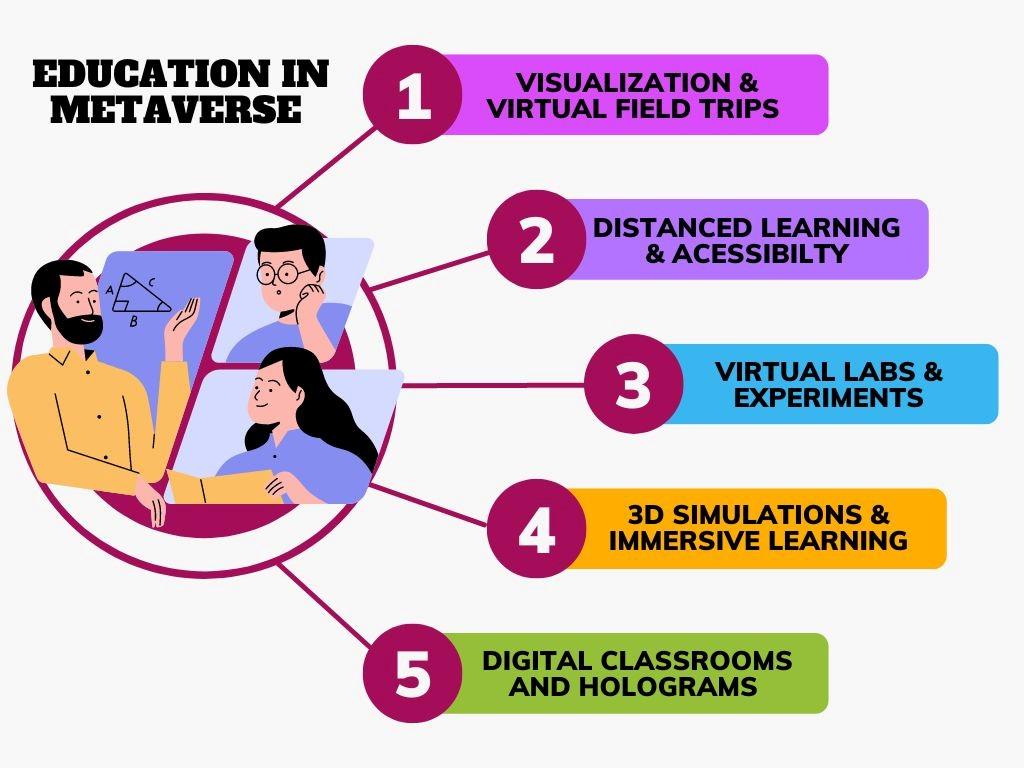
Virtual Field Trips: Transforming Classroom Learning & Broadening Students’ Horizons
Introduction: The Evolution of Field Trips in Modern Education
In today’s rapidly advancing digital world, virtual field trips are revolutionizing the way students and educators experience learning. No longer limited by geography, budget, or logistics, virtual field trips enable classrooms to travel the globe, explore unique environments, and immerse themselves in new cultures—all wiht the click of a button.This innovative educational tool harnesses the power of technology to enhance learning,making it more interactive,engaging,and accessible.
Through live-streamed tours, interactive 360-degree videos, and virtual reality (VR), virtual field trips are transforming classroom experiences while broadening students’ horizons like never before. In this article, we’ll explore the essential benefits, practical tips for implementation, real-life case studies, and testimonials from seasoned educators on how virtual field trips are making a real difference in everyday teaching.
what Are Virtual Field Trips?
Virtual field trips are digital experiences that allow students to visit faraway places, organizations, museums, past sites, and more, without leaving the classroom. These virtual excursions can range from video tours, webinars, and live Q&A sessions to fully immersive 3D or VR experiences. Accessible via computers,tablets,or VR headsets,virtual field trips are a versatile resource suited for all grade levels and subject areas.
Key Features of Virtual Field Trips
- interactive content such as quizzes, live chats, and assignments
- High-quality visuals including 360-degree panoramas and videos
- Integration with curriculum standards
- Multilingual support for ESL learners
- Accessibility for students with disabilities
Benefits of Virtual field Trips for Classroom Learning
By embracing virtual field trips, educators unlock a wealth of advantages that influence both teaching and learning outcomes. These benefits extend far beyond traditional boundaries.
1.Expanding Horizons Beyond Physical Limitations
- Global Exploration: Visit historical landmarks, famous museums, rainforests, the solar system, and more—without travel expenses.
- Accessibility: Enables participation for students with mobility challenges or health issues.
- Diverse Perspectives: Promotes cultural awareness and global citizenship by interacting with people in different countries.
2. Enhancing Student Engagement & Retention
- Interactive Learning: Gamified elements, quizzes, and hands-on activities keep students motivated.
- Multimedia Content: Videos, audio, games, and visuals cater to multiple learning styles.
- Shared Experiences: Real-time virtual tours create a collaborative environment and foster teamwork.
3. Promoting Inclusivity & Equity
- Equal Learning Opportunities: All students get access to unique experiences irrespective of background.
- Customizable Content: Tailor virtual field trips to suit diverse learners and educational needs.
4. Supporting Curriculum Goals
- Standards Alignment: Many platforms offer field trips matched to Common Core, NGSS, and other standards.
- Real-world Connections: Virtual trips tie abstract concepts to tangible, real-world settings.
How to Integrate Virtual Field Trips into Your Teaching Practice
Practical Tips for Teachers
- Choose the Best Platforms: Research trusted virtual field trip providers like Google Expeditions, Discovery Education, and National Geographic Kids.
- Plan Ahead: Outline learning objectives, prepare guiding questions, and align trips with curriculum requirements.
- Engage Students Before the Trip: Build excitement with pre-trip activities or discussions.
- Interactive Participation: Utilize chat features,polls,and collaborative tasks during the trip for active learning.
- Follow-Up Activities: Reflect afterwards using assignments, presentations, or creative projects based on trip content.
Technical Considerations
- Ensure reliable internet and compatible devices (computers/tablets/VR headsets).
- Test platform accessibility and integrations with your LMS.
- Consider privacy and data protection—use secure, education-oriented providers.
Popular Virtual Field Trip Platforms
- Google Arts & Culture: Explore renowned museums and natural wonders with 360-degree tours and augmented reality.
- Discovery Education: Hosts interactive, curriculum-linked excursions with expert guides and multimedia resources.
- National Geographic Kids: Watch live wildlife cams,explore geography and ecosystems with immersive content.
- Mystery Science: Science-focused trips with experiments and virtual labs.
- Smithsonian Virtual Tours: Delve into American history, invention, and art.
- Virtual Reality Expeditions: VR-enabled field trips for deeper immersive learning.
Real-World Case studies: Transformative Impact
Case Study 1: Urban School Science Enhancement
At an inner-city elementary school in Chicago, students participated in a virtual field trip to NASA’s Jet Propulsion Laboratory.Not only did students interact with engineers via live video, they also explored 3D models of Mars rovers. Post-trip assessments showed a 28% advancement in science literacy and heightened interest in STEM careers.
Case Study 2: Rural Language Arts Inspiration
A rural English teacher in Texas used Google Arts & Culture to tour Shakespeare’s Globe Theater virtually. Students collaborated on play analyses and even performed scenes using digital backgrounds. This creative approach led to improved test scores and a deeper appreciation for world literature.
Case Study 3: Inclusive History Exploration
Students with physical disabilities at a California middle school toured the Smithsonian’s National Museum of African American History and Culture online. With accessible controls and audio narration, all students shared and discussed their reflections, fostering inclusive education and empathy.
First-hand Experience: Educators Speak Out
“My 5th graders were amazed by their virtual trip to the Amazon rainforest. It sparked curiosity and led to an inquiry-based project about biodiversity. Virtual field trips are a game-changer for engagement and accessibility!”
— Sarah Wilkins,Elementary Teacher
“As a high school history teacher in Canada,offering a virtual tour of Normandy beaches during our WWII unit made the material truly come alive. Students were able to ask historians real-time questions and now have a lasting connection to what they learned.”
— Mark Hansen, High School Educator
Challenges and Solutions in Using Virtual Field trips
- Technical Barriers: Not all schools or students have equal access to devices and fast internet. Solution: Leverage offline downloadable content or partner with local libraries.
- Student Distraction: Digital experiences can sometimes lead to multitasking. Solution: Create active learning components, set clear participation expectations, and use guided activities.
- Content Relevance: Some trips may not align perfectly with curriculum needs. Solution: Customize virtual visits using detailed teacher guides and supplemental resources.
- Assessment: Measuring learning outcomes can be challenging. Solution: Employ reflective assignments, rubrics, and discussion-based evaluations.
conclusion: The Future of Learning is Virtual
The ongoing advancement of virtual field trips signifies a paradigm shift in classroom learning. By breaking down physical barriers, fostering engagement, and promoting inclusivity, these digital experiences empower students to explore, question, and connect with the world in innovative ways. Whether you are an educator seeking to inspire curiosity, or a parent interested in supporting your child’s learning journey, virtual field trips offer endless opportunities to broaden perspectives and spark lifelong learning.
Ready to take your class on a new adventure without ever leaving your desk? Embrace the versatility and impact of virtual field trips—and watch as your students’ horizons expand beyond the classroom walls!