
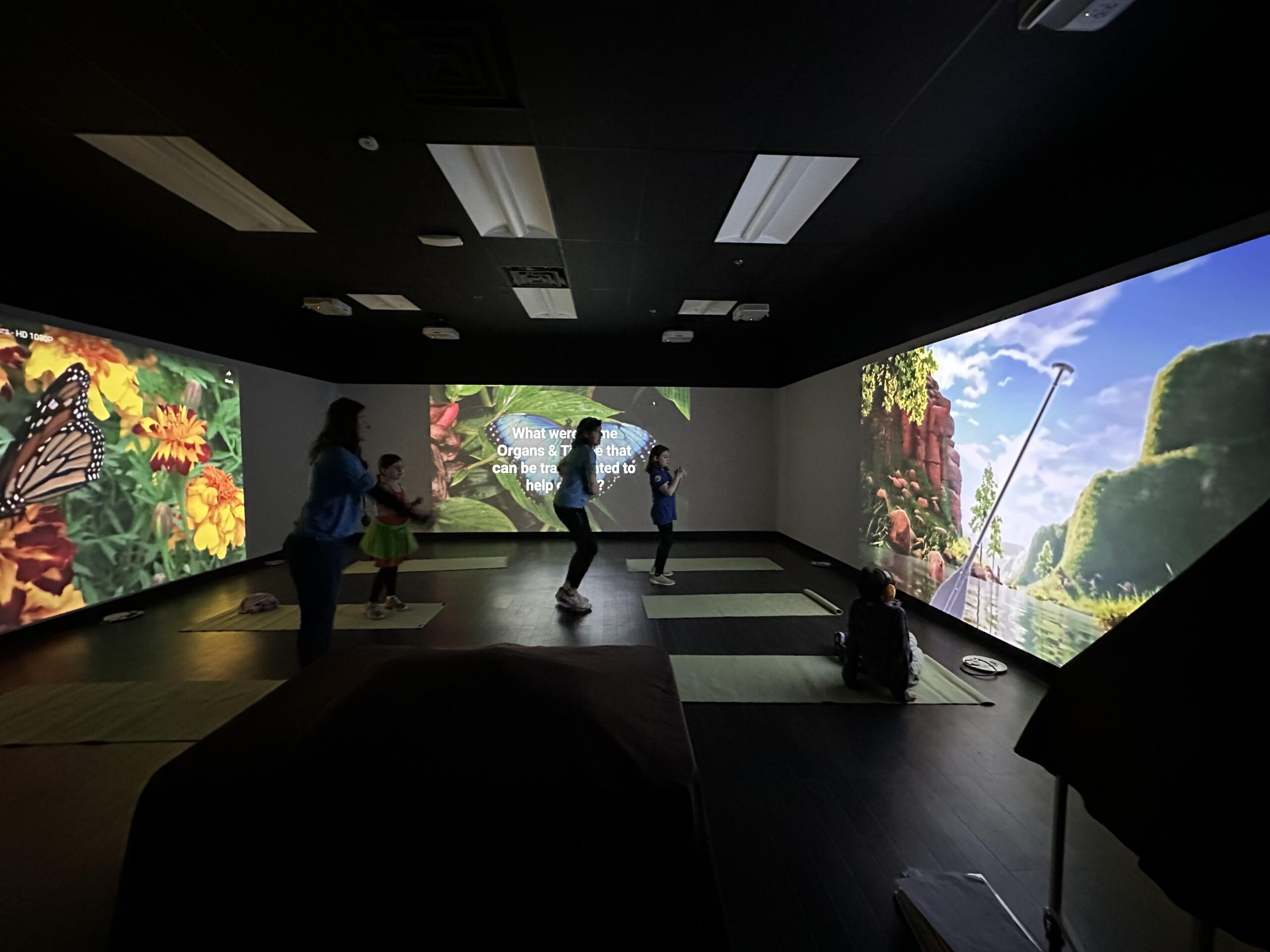
Virtual Field Trips: Unlocking New Learning Experiences Without Leaving the Classroom
Virtual field trips are revolutionizing education, offering students interactive and engaging learning experiences without ever stepping outside the classroom.Explore how these digital adventures are shaping the future of teaching and learning.
What Are Virtual Field Trips?
Virtual field trips are technology-driven explorations that allow students to visit distant places, past sites, museums, and even outer space—all through a digital device. By leveraging interactive multimedia, 360-degree videos, guided tours, and real-time communication, virtual field trips make learning immersive and accessible, overcoming the limitations of budget, time, and logistics that can hinder customary field trips.
Why Virtual Field Trips are Transforming Education
Integrating virtual field trips into the classroom provides a host of benefits that empower teachers and students alike. here’s why they’re quickly becoming a staple in modern curricula:
- Accessibility: Students can explore global landmarks, zoos, aquariums, or cultural centers without geographical or financial constraints.
- Engagement: Interactive elements and multimedia content keep learners actively involved, boosting retention and enthusiasm.
- Differentiated Learning: Teachers can tailor the experiance to suit different ages, abilities, and interests, catering to diverse classroom needs.
- Cost-effective: No need for transportation, permission slips, or added insurance—virtual field trips substantially reduce expenses.
- Safety & Convenience: Students enjoy enriching experiences within the controlled, safe environment of their classroom or at home during remote learning.
- Cross-curricular Connections: Virtual field trips easily tie into science, history, geography, arts, and even language lessons for a comprehensive learning approach.
Popular Types of Virtual Field trips
The world of virtual field trips is vast and rapidly growing. Here are some of the most popular options available:
- 360° Museum Tours: Experience the Louvre, Smithsonian, or Van Gogh Museum from the classroom with interactive walkthroughs.
- Nature & Science Expeditions: Dive into the Great Barrier Reef, trek across Mars with NASA, or observe wildlife in real time via live webcams.
- Historical Site Visits: Walk through ancient Rome, the Pyramids of egypt, or Pearl Harbor with rich contextual media and expert narration.
- STEM-focused Adventures: Explore factories, space stations, or renewable energy plants to spark curiosity in science, technology, engineering, and mathematics.
- Cultural Immersion Experiences: Take part in virtual cooking classes, language workshops, or global festivals to promote cultural understanding.
Case Studies: Real-World Success Stories
Mars Rover adventure in 5th Grade Science
At Oak Valley Elementary, 5th graders embarked on a virtual field trip guided by NASA scientists. Using VR headsets and interactive simulations, students navigated the surface of Mars with the Curiosity Rover. Teachers noted a 30% increase in engagement and improved comprehension of planetary science concepts compared to previous textbook-based lessons.
Art History Comes Alive in High School
Lakeside High School utilized google Arts & Culture to let students “step inside” famous art galleries worldwide. Through interactive guided tours, students crafted reports on Renaissance masterpieces and discussed their impressions in virtual breakout groups, resulting in deeper discussions and enhanced appreciation for art history.
First-Hand Experiences from Educators
“Our virtual trip to the Grand Canyon allowed students to explore geology in ways a textbook could never capture. They interacted with park rangers via video, asked questions, and even observed wildlife. For some, it was their first ‘visit’ to a national park!”
— Melissa Turner, 4th Grade Teacher
“During remote learning, virtual tours not only maintained our curriculum but also provided much-needed excitement. Students looked forward to these sessions,and parents appreciated the innovative approach to learning from home.”
— David Kim,Middle School Social Studies Teacher
Practical Tips for Planning Virtual Field Trips
- Identify Learning Objectives: Start by aligning the experience with your curriculum goals. What do you want students to learn or feel?
- Research Reputable Platforms: Use trusted sources like Google Arts & Culture, National Geographic Education, Discovery Education,and offerings from museums and libraries.
- Prepare Students in Advance: Introduce the destination, discuss expectations, and pique curiosity by sharing previews or related classroom activities.
- Facilitate Interactivity: encourage students to ask questions, participate in quizzes, or record observations during the virtual trip.
- Integrate Post-Trip Activities: plan follow-up projects, reflection journals, or class discussions to reinforce learning outcomes.
- Ensure Accessibility: Make sure all students have the necessary technology and adapt your plans for those who need accommodations.
Recommended Resources for Virtual Field Trips
- Google Arts & Culture: Explore museums,landmarks,and art collections worldwide.
- National Geographic Education: Virtual expeditions to nature, science, and cultural sites.
- Discovery Education: Wide selection of virtual field trips that cover STEM,history,and more.
- Smithsonian Virtual Tours: Interactive visits to Smithsonian museums and exhibits.
- Virtual Tours of U.S. National Parks.
- NASA Virtual Field Trips: Explore the universe with guided NASA missions.
Overcoming Challenges
while virtual field trips offer many advantages, educators may encounter some challenges, such as technical issues, limited student engagement, or digital divide concerns. here are strategies to address them:
- Test Technology in Advance: Always check devices, internet connections, and software before launching a virtual field trip.
- Support Device Accessibility: Coordinate with your school’s IT department to provide needed tech or alternatives for students lacking home access.
- Foster Participation: Use polls, Kahoot! quizzes, or real-time chats to keep students involved during the experience.
- Combine with In-Person Learning: Whenever possible, blend virtual and physical experiences for the most comprehensive approach.
Conclusion: Embracing the Future of Learning
Virtual field trips are reshaping classrooms by making immersive, global learning accessible to all students, nonetheless of physical, financial, or logistical barriers. These digital journeys foster curiosity, critical thinking, and cross-curricular connections, helping educators unlock the full potential of every lesson. As technology evolves, so too will the possibilities for enriching educational experiences—ensuring that students everywhere can explore the world without ever leaving their desks.
Ready to embark on your own adventure? Integrate virtual field trips into your teaching toolkit and open new doors to discovery—right from the classroom!