
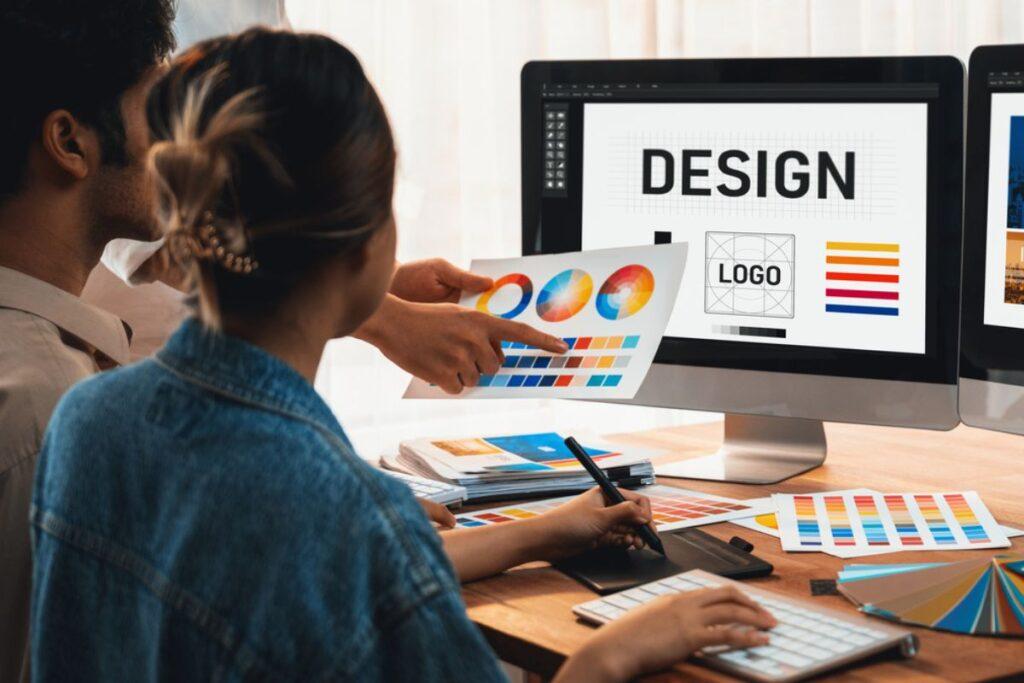
Visual Designer in E-Learning: Boost Course Engagement with Stunning Design
Are you passionate about design and driven to make a meaningful impact in education? The role of Visual Designer in E-Learning at universities, colleges, and schools is rapidly growing as institutions seek to make digital courses more engaging, accessible, and visually compelling. In this complete guide, we’ll explore everything you need to know about pursuing a career as a visual designer in education technology—from essential skills, major benefits, and daily responsibilities to practical tips for landing your dream job in this exciting field.
Why Pursue a Career as a Visual Designer in E-Learning?
Today’s educational landscape is undergoing a digital conversion, with e-learning platforms at the very center. Educational institutions—from top-tier universities to innovative K-12 schools—are investing in talented visual designers to boost student engagement, improve learning outcomes, and differentiate their digital courses from competitors. If you have a creative eye, technical expertise, and a passion for education, becoming a visual designer in edtech opens the door to a rewarding, impactful career.
- High Demand: With online learning adoption on the rise, educational organizations urgently need skilled designers.
- Dynamic Work Environment: Collaborate with instructional designers, teachers, and IT experts in a technology-rich setting.
- Impactful Contribution: Shape the digital learning experience, making education more accessible and enjoyable.
- Creative Freedom: Develop original graphics, layouts, animations, and interfaces that bring educational content to life.
Key responsibilities of a Visual Designer in Education Technology
As a visual designer for e-learning, your work extends far beyond making online courses look attractive—you play a crucial role in how students interact with and absorb content. Here are the central duties you’ll handle:
- User Interface (UI) and User Experience (UX) Design: Create intuitive layouts, navigation elements, and interaction flows that make e-learning modules straightforward and enjoyable to use.
- graphic Design: Develop compelling imagery, infographics, icons, and digital assets that reinforce educational concepts and break up dense information.
- Branding and Consistency: Ensure that visuals are aligned with the organization’s brand and maintain a consistent style across courses and materials.
- Animation and Multimedia content: Incorporate motion graphics, audio, video snippets, and interactive elements for deeper engagement.
- Accessibility Design: Design visuals that are inclusive, catering to learners with disabilities by following standards like WCAG and ensuring colour contrast, font size, and alt text.
- Collaboration: Work closely with instructional designers, faculty, and IT teams to translate complex academic material into engaging digital experiences.
Essential Skills for Success as a Visual Designer in EdTech
Universities, colleges, and schools look for a blend of technical proficiency, creative artistry, and an understanding of pedagogical principles in their visual designers. Here’s what you’ll need:
- Proficiency with Design Software: Mastery of Adobe Creative Suite (Photoshop, Illustrator, InDesign, XD), Sketch, Figma, Canva, and other modern design tools is essential.
- Understanding of Educational Technologies: Familiarity with Learning Management Systems (LMS) such as Canvas, Moodle, Blackboard, and SCORM packaging standards.
- UX/UI Principles: Ability to craft seamless interfaces that promote cognitive flow and minimize distractions.
- Visual Storytelling: Transform text-heavy material into visual narratives using diagrams,timelines,storyboards,and interactive graphics.
- Accessibility Best Practices: Skills in designing for diverse learners, including screen reader compatibility, captioning, and keyboard navigation.
- Collaboration and Communication: Capacity to present ideas,provide constructive feedback,and work in cross-functional teams.
How Visual design Boosts Engagement and Learning Outcomes
Effective visual design isn’t just about aesthetics—it’s about enhancing the student’s learning journey. Here are the top ways visual designers in e-learning positively impact course engagement:
- Reduces Cognitive Load: thoughtful layouts, clear navigation, and graphical elements help students focus on key concepts, preventing overwhelm.
- Improves Retention: Visual metaphors, infographics, and interactive animations make complex information memorable and easier to recall.
- Promotes Active Learning: interactive design elements, such as drag-and-drop quizzes or clickable diagrams, stimulate learner participation.
- Fosters Emotional Connection: Consistent branding and visual storytelling create a positive, inviting online environment, encouraging students to engage more fully.
- Facilitates Accessibility: inclusive design ensures all learners, including those with diffrent abilities, can access and benefit from course content.
Benefits of Working as a Visual Designer in Higher Education and K-12 Schools
Choosing to work in the education technology sector brings distinct advantages for visual design professionals:
- Career Growth: The edtech market is expanding, with increasing opportunities for advancement in academic IT departments, research labs, and educational startups.
- Job Satisfaction: Contribute to shaping future generations by making learning more engaging and effective.
- Continuous Learning: Stay at the forefront of digital trends, multimedia tools, and education theory.
- Diverse Projects: Tackle a wide range of assignments—from STEM labs and language courses to faculty training and campus orientation modules.
- Flexible Work Arrangements: Many institutions offer flexible and hybrid work arrangements, increasing work–life balance.
Practical Tips to Land Your Visual Designer Job in E-Learning
Are you ready to apply for a position as a visual designer in education technology? Here’s how to prepare and stand out:
1. Build a Stand-Out Portfolio
- Showcase e-learning designs, UI mockups, interactive animations, infographics, and branded course materials.
- Include before/after snapshots or case studies demonstrating how your design improved usability or engagement.
- Highlight work with educational organizations, even if freelance or volunteer—such experience is highly valued.
2. Upskill in EdTech Tools and Standards
- Gain hands-on experience with major LMS platforms and e-learning authoring tools, such as Articulate storyline and Adobe Captivate.
- Learn web accessibility standards and experiment with inclusive design techniques.
3. Stay Informed and Network
- Follow thought leaders, join education technology groups, and attend edtech webinars or conferences.
- Connect with instructional designers,IT specialists,and faculty on professional networks to uncover job opportunities.
4. Tailor Your resume and Request
- Emphasize results-driven achievements, such as boost in student engagement, reduced bounce rates, or award-winning course modules.
- Highlight both creative and technical skills, and also your familiarity with pedagogical theory.
FAQs About Visual Designer Roles in Education Technology
what qualifications are needed?
Most universities and schools require a bachelor’s degree in graphic design, visual communication, human-computer interaction, or a related field. Experience in UX/UI design, portfolio evidence, and some knowledge of online learning platforms are often mandatory.
Do visual designers work independently or as part of a team?
While some tasks are solo, the majority of visual designers in education technology work as part of multidisciplinary teams that can include instructional designers, software developers, teachers, and IT specialists.
How is performance measured in this role?
Academic institutions track metrics such as student satisfaction, engagement rates, course completion, and feedback on usability—all of which reflect on the quality of visual design.
Are remote positions available?
Many universities, colleges, and online schools now offer remote or hybrid options for visual designers. Flexible work arrangements are increasingly common in edtech.
Conclusion: Launch Your EdTech Design Career and Empower Learners
A career as a Visual Designer in E-Learning promises both creative fulfillment and the opportunity to make a real difference in educational communities. By developing lovely, accessible, and effective digital learning experiences, you’ll do more than create stunning visuals—you’ll help students engage, succeed, and grow. Whether you’re a seasoned designer looking to shift focus or a recent graduate passionate about education technology, now is the perfect time to apply your skills in the rapidly evolving world of e-learning.
Ready to take the next step? Start building your specialized portfolio, connect with edtech professionals, and prepare to transform the future of education—one beautiful course at a time.