
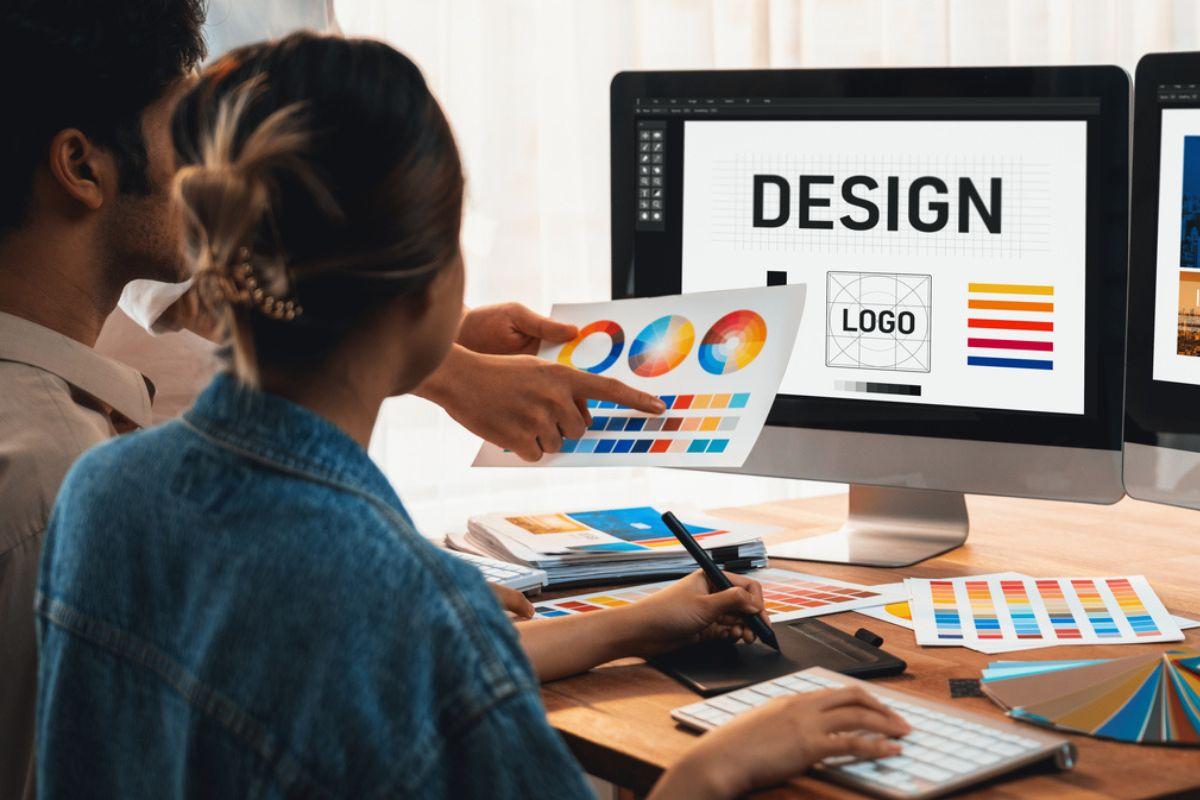
Visual Designer in E-Learning: Boost engagement with Creative Course Design
In today’s digital-first education landscape, the role of a Visual Designer in E-Learning is more crucial than ever. whether you’re seeking a rewarding career at universities, colleges, or schools, mastering creative course design can definitely help you shape the way students learn online. If you’re a job seeker interested in education technology roles, this thorough guide will equip you with valuable insights on the skills required, job expectations, and best practices to excel in the world of e-learning visual design.
Introduction: The Crucial Role of Visual Design in E-Learning
Education technology has revolutionized traditional teaching, providing students with interactive and engaging digital experiences. visual Designers in E-Learning play a pivotal role in making online courses appealing, accessible, and impactful. Their expertise transforms ordinary educational content into immersive learning journeys, boosting engagement, retention, and academic achievement.
if you’re passionate about both creativity and education,pursuing a career as an E-Learning Visual Designer at a university,college,or school offers numerous opportunities for growth and innovation. let’s delve into what this dynamic role entails, the benefits it offers, and practical tips to help you stand out.
Understanding the Role: Responsibilities of a Visual Designer in E-Learning
The position of a Visual Designer in E-Learning merges educational theory with creative design principles. Your main mission is to craft visually appealing instructional materials that facilitate effective learning. Here are some key responsibilities you can expect in education technology jobs:
- Course Interface Design: Develop user-pleasant interfaces for online course platforms,ensuring smooth navigation and accessibility.
- Multimedia Creation: Create graphics, animations, videos, and interactive elements that enhance course content.
- Brand Consistency: maintain visual integrity and branding across all instructional materials for schools, colleges, and universities.
- Collaboration: Work closely with educators, instructional designers, and technology teams to align visuals with learning outcomes.
- Accessibility Optimization: Design inclusive materials that meet accessibility standards, accommodating diverse learners.
- Feedback Integration: Incorporate user feedback to iterate and improve the visual aspects of e-learning courses.
Key Skills Required for Success in E-Learning Visual design
Securing a visual designer job in education technology requires a blend of creative, technical, and interpersonal skills. As universities, colleges, and schools adopt new digital tools, proficiency in relevant design software and learning management systems becomes essential.
Essential technical Skills
- Adobe Creative Suite: Expertise in Photoshop, Illustrator, and After Effects for graphic and multimedia design.
- UI/UX Design: Knowledge of designing intuitive interfaces tailored for e-learning platforms.
- HTML & CSS: Basic understanding for customizing course layouts and troubleshooting design issues.
- Learning Management Systems (LMS): Familiarity with popular platforms like Moodle, canvas, Blackboard, or custom solutions used by educational institutions.
- Animation Tools: Ability to develop engaging animations using tools such as Articulate Storyline or Adobe Animate.
Vital Soft Skills
- Creativity: generate innovative ideas to present educational material in visually stimulating ways.
- Attention to Detail: Ensure consistency and quality throughout course materials.
- Collaboration: Effectively communicate and cooperate with cross-functional teams.
- Problem-Solving: Address design challenges and adapt to feedback.
- Time Management: Meet project deadlines within busy academic calendars.
How Visual Designers Boost Engagement in E-Learning
Engagement is the key to effective online learning. As a Visual Designer in E-Learning, your work directly impacts how students interact with and absorb content. Here’s how creative course design makes a difference:
- Increases Interactivity: Well-designed visuals invite students to participate actively instead of passively consuming information.
- Enhances Retention: Graphics,infographics,and visual cues help learners remember complex concepts.
- Improves Navigation: Clear layouts and intuitive structures reduce frustration, making learning more seamless.
- Supports Diverse Learners: multi-format content (videos, images, animations) appeals to various learning preferences and needs.
- Boosts Motivation: Engaging visuals can spark curiosity and keep students motivated throughout the course.
Benefits of Working as a Visual Designer in Education Technology
Pursuing a career as a visual designer for universities, colleges, or schools offers unique advantages, especially in the ever-evolving field of education technology:
- Make a Real Impact: Your creative work directly influences how effectively students learn and succeed.
- Diverse projects: Work with varied subjects, academic departments, and age groups, keeping your work fresh and captivating.
- Professional Growth: Opportunities to lead design initiatives,attend professional growth workshops,and acquire new skills.
- Collaborative Culture: Engage with passionate educators and technologists in a forward-thinking environment.
- Competitive Compensation: education technology roles offer attractive salary packages and benefits to skilled visual designers.
- Positive Work-Life Balance: Many universities and colleges offer flexible schedules and remote work opportunities.
practical Tips for Landing a Visual Designer Job in Education Technology
If you’re excited about becoming a visual designer in E-Learning, follow these practical tips to increase your chances of landing an education technology job at a university, college, or school:
1. Build a Specialized Portfolio
- Showcase e-learning projects such as course modules, interactive presentations, infographics, and animations.
- Highlight work that demonstrates learning outcomes and user engagement improvements.
- Include testimonials, case studies, or statistics where possible to validate your impact.
2. Stay Updated with Industry Trends
- Follow leading education technology blogs and social media channels for the latest design approaches.
- Attend webinars, workshops, and conferences focused on e-learning and instructional design.
3.Tailor your Resume and Cover Letter
- Clearly state your experience with e-learning visual design and education technology tools.
- Customize your application for each institution, emphasizing how your skills align with their specific needs.
4. Network with Education Technology Professionals
- Connect with instructional designers, educators, and technology teams through LinkedIn and professional associations.
- Seek informational interviews to learn about their challenges and pain points, and offer insights based on your expertise.
5. Pursue Certifications and Continuing Education
- Consider certifications in instructional design,e-learning development,or Adobe creative suite.
- Look for online courses that focus on UI/UX for education or accessibility design standards.
Career Pathways and Advancement Opportunities
Education technology is a rapidly expanding sector. Starting as a Visual Designer in E-Learning can open doors to diverse career pathways across academic institutions. Here are some potential progression routes:
- senior Visual Designer: Lead design teams and guide strategic course development initiatives.
- Instructional Design Specialist: Blend visual design expertise with teaching methodology for curriculum innovation.
- Learning Experience Designer: Focus on holistic student experiences from start to finish.
- Project manager: oversee multi-disciplinary teams in large-scale digital course rollouts.
- Design Consultant: Advise universities, colleges, and schools on visual strategies to improve student engagement and success.
Universities,colleges,and schools are constantly seeking creative minds to push the boundaries of online education. Embracing professional development and networking opportunities will ensure steady career growth in this dynamic field.
Conclusion: Shaping the Future of Learning with Creative Course Design
Becoming a Visual Designer in E-Learning offers you the chance to transform modern education and make a tangible difference in students’ academic journeys. By mastering the art of creative course design, you can boost student engagement, improve learning outcomes, and contribute meaningfully to the advancement of education technology at universities, colleges, and schools.
With high demand for skilled professionals, now is the perfect time to pursue this rewarding career path. Build your portfolio, refine your skills, and connect with industry leaders to become an integral part of the education technology revolution.Your creativity could be the key that opens new worlds of possibilities for learners everywhere.