
Visual Designer in E-Learning: Essential Skills and Strategies for Impactful Online Education
As education technology continues to revolutionize learning environments globally, universities, colleges, and schools are increasingly seeking talented Visual designers in e-learning. These design professionals play a pivotal role in shaping engaging and effective online educational experiences. Whether you’re an aspiring visual designer or considering a career transition into the EdTech sector, understanding the essential skills, strategies, and benefits of this role is key to making a lasting impact on digital education. In this article, we’ll dive deep into what it takes to thrive as a Visual Designer in e-learning, with practical tips and actionable guidance tailored for success in academic settings.
Understanding the Role of a Visual designer in E-Learning
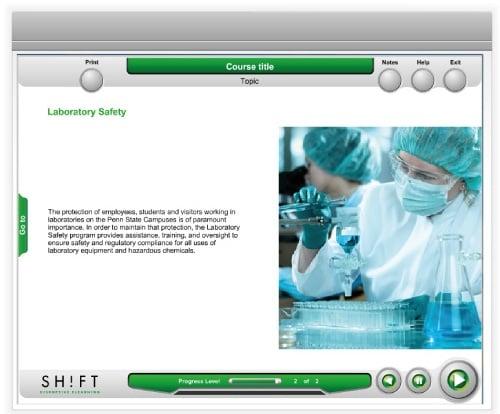
A Visual Designer in e-learning is responsible for crafting visually appealing, user-friendly, and pedagogically effective digital content for online courses and educational platforms.This role bridges the gap between instructional design and user experience (UX), ensuring that complex topics are communicated clearly through intuitive layouts, graphics, and multimedia elements.
- Key Responsibilities:
- Designing interactive course modules, infographics, and learning assets
- Collaborating with faculty, instructional designers, and technologists
- Maintaining brand consistency across educational materials
- Optimizing user interfaces for accessibility and engagement
- Utilizing data-driven insights to enhance design effectiveness
Visual Designers in e-learning directly influence knowledge retention, learner motivation, and overall course satisfaction. Their contributions shape the reputation of academic institutions in delivering accessible and innovative online education.
Essential Skills for a Visual Designer in E-Learning
to succeed as a Visual Designer in education technology, professionals need to master a blend of creative, technical, and pedagogical skills. Here are the most vital competencies for this role:
1. Graphic Design Excellence
- Proficiency with design tools such as Adobe Creative Suite (Photoshop, Illustrator, InDesign) and Figma
- Strong sense of color theory, typography, and layout principles tailored to educational content
- Ability to create clear and compelling visual narratives that support learning outcomes
2. User Experience (UX) and User Interface (UI) Design
- Designing intuitive navigation, menus, and interactive elements for Learning Management Systems (LMS)
- Applying UX research methods to gather student feedback and optimize digital experiences
- Understanding mobile-first and responsive design for seamless learning on various devices
3. E-Learning Authoring Tools
- Hands-on experience with tools like Articulate Storyline, Adobe captivate, Lectora, and Camtasia
- Integrating multimedia elements (videos, animations, simulations) into online courses
- Knowledge of SCORM, xAPI, and other e-learning standards
4. Accessibility and Inclusivity
- Creating accessible content that meets WCAG and ADA compliance
- Designing for diverse learning needs and ensuring compatibility with assistive technologies
5. Collaboration and Communication
- Working closely with cross-functional teams (faculty, IT, instructional designers)
- Presenting visual concepts and explaining design decisions to non-design stakeholders
6. Knowledge of Education Technology Trends
- Staying updated on the latest digital pedagogy, interactive media, and gamification strategies
- Understanding analytics to assess learner engagement and performance
Benefits of Working as a Visual Designer in E-Learning
Choosing a career as a Visual Designer in education technology offers numerous advantages, especially in university and school environments:
- Prospect for Creative Impact: Shape the future of digital education by developing solutions that enhance learning experiences for diverse audiences.
- High Demand and Career Growth: Increasing investment in e-learning across higher education means strong job prospects and advancement opportunities.
- Meaningful Work: Contribute to accessible, inclusive, and life-changing educational opportunities on a global scale.
- Collaborative and Dynamic Environment: Work alongside educators, researchers, and innovators in academic communities.
- Flexible Work Arrangements: Many institutions offer remote or hybrid positions for e-learning roles.
Strategies for Creating Impactful Online Education as a Visual Designer
To truly succeed and deliver value as a Visual Designer in e-learning,consider implementing these proven strategies:
1. Focus on Learner-Centric Design
- Prioritize usability and ease of navigation in all digital assets
- Gather user feedback regularly to identify pain points and areas for betterment
2. Apply Consistent Branding and Style Guides
- ensure every e-learning module aligns with the institution’s visual identity
- create templates to streamline course development and maintain consistency
3. Utilize Interactive Elements
- Incorporate quizzes, drag-and-drop activities, animations, and scenario-based learning to keep students engaged
- Balance interactivity with clarity to avoid cognitive overload
4. Maintain Accessibility Standards
- Test designs for screen reader compatibility and keyboard navigation
- Use high-contrast color palettes and provide alternative text for visuals
5. Stay Up to Date and Innovate
- Attend education technology conferences and participate in professional development
- Follow the latest research in online learning and instructional design
Practical Tips for Securing a Visual Designer Job in E-Learning
For job seekers targeting positions at universities, colleges, or schools, here are some effective steps to boost your chances of success:
- Build a Strong Portfolio: Showcase e-learning projects, course prototypes, and multimedia content. Demonstrate your process from concept to implementation.
- Emphasize Education Technology Skills on Your Resume: Highlight relevant tools,design systems,and accessibility expertise.
- Network with Education Professionals: Attend EdTech webinars, conferences, and local meetups to connect with hiring managers and peers.
- Customize Your Applications: Research each institution to understand their values,branding,and technology stack. Tailor your cover letter and portfolio accordingly.
- Stay Curious and Keep Learning: Online certifications in UX/UI, e-learning development, or specific authoring tools can set you apart in a competitive field.
Conclusion
The demand for skilled Visual Designers in e-learning is higher than ever, with educational institutions seeking professionals who can blend artistry, technology, and pedagogy to create impactful online education. By developing the essential skills outlined in this guide, applying targeted strategies, and continually embracing new trends in education technology, you’ll be well-equipped to build a rewarding career in EdTech at universities, colleges, or schools. Start today by strengthening your portfolio, expanding your knowledge, and preparing to make a meaningful impact on the future of digital learning.