
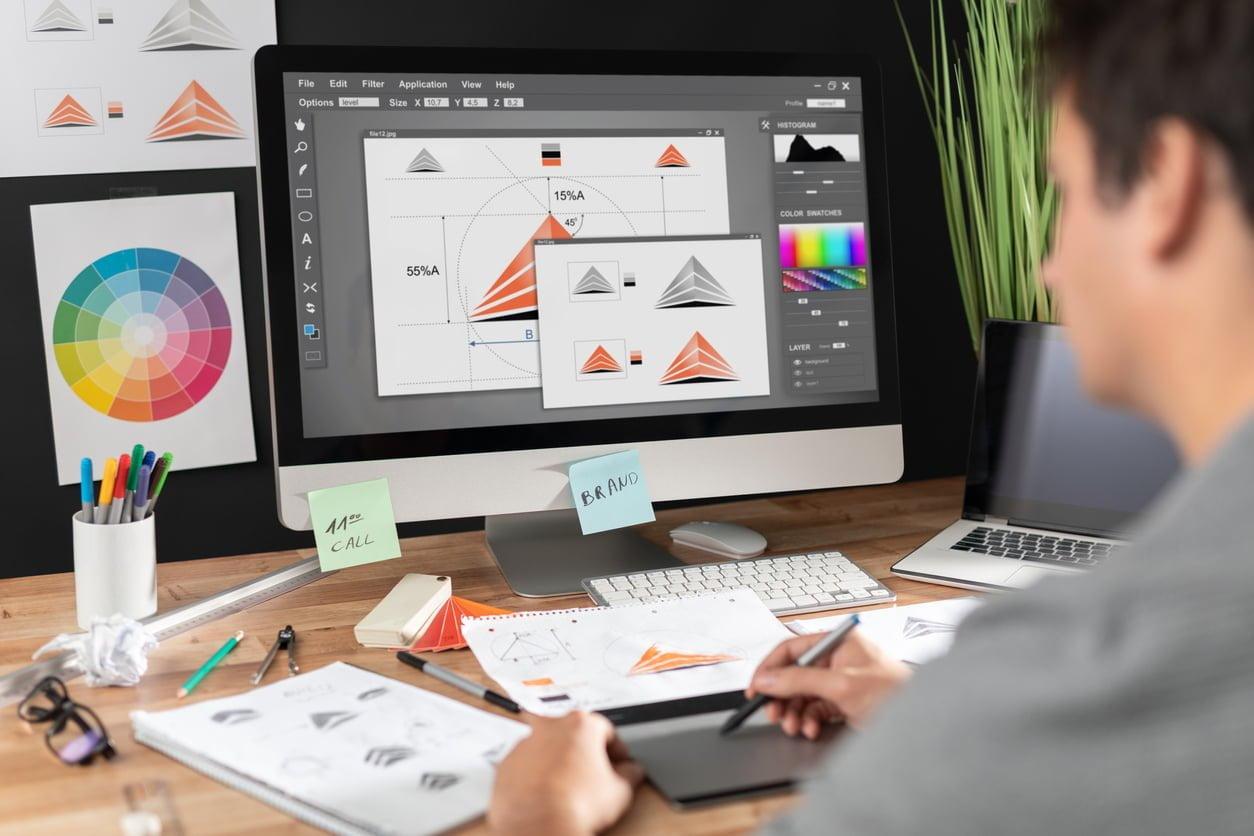
Visual designer in E-Learning: Essential Skills & Career Guide
Are you passionate about blending creativity with educational technology? Landing a role as a visual designer in e-learning at universities, colleges, or schools can be both fulfilling and impactful. With the continuous rise of digital education, institutions are actively seeking skilled professionals who bring engaging visual experiences to online courses and learning platforms. This article provides a comprehensive career guide, discussing the essential skills, benefits, practical tips, and pathways for aspiring visual designers in the e-learning sector.
Introduction: What Is a Visual Designer in E-Learning?
In today’s academic landscape, effective online education is driven by well-crafted visual elements that foster engagement and understanding. A visual designer specializes in creating graphics,layouts,and interfaces for digital learning materials—be it online courses,interactive modules,or virtual classrooms. The demand for visual designers in higher education and schools continues to grow as institutions invest in robust e-learning platforms to meet diverse student needs. If you’re considering a career in education technology, this article equips you with all you need to know about entry requirements, daily responsibilities, necesary technical skills, and growth opportunities as a visual designer within educational environments.
Core Responsibilities of a Visual Designer in E-Learning
- Designing digital graphics,icons,and imagery for e-learning modules
- Developing aesthetically pleasing layouts for online course materials and presentations
- Collaborating with instructional designers,educators,and developers to enhance the learner’s experience
- Creating interactive elements such as animations,infographics,and clickable assets
- Ensuring accessibility and usability standards are met for diverse learners
- Maintaining consistency in branding and visual style across different learning platforms
Essential Skills for Visual designers in Education Technology
Universities and colleges expect their visual designers in e-learning to demonstrate a robust blend of creative expertise and technical proficiency. Here are the fundamental skills required to excel in this role:
1. Mastery of Design Tools
- Adobe Creative Suite (Photoshop,Illustrator,InDesign)
- Sketch,Figma,or Adobe XD for UI/UX design
- Proficiency in creating vector graphics and layouts
- Basic animation tools such as After Effects or Animate
2. Educational Technology Fluency
- Familiarity with Learning Management Systems (LMS) like Moodle, Canvas, or Blackboard
- An understanding of SCORM, xAPI, or other e-learning standards
- Responsive design techniques for various devices
3. User-Centered Design
- Empathizing with student and educator user journeys
- Wireframing interfaces that support intuitive navigation
- Adhering to accessibility guidelines (WCAG, ADA) to ensure inclusivity
4. collaboration & Communication
- Working efficiently with cross-functional teams: educators, content creators, developers
- Presenting and explaining design decisions to stakeholders
- Ability to iterate based on feedback and usability testing
5. Attention to Detail and Consistency
- Maintaining visual coherence across lesson modules and platforms
- Building templates and style guides for future e-learning assets
Academic Requirements and Certifications
Most universities, colleges, and schools will seek applicants with:
- Bachelor’s degree in graphic design, digital media, visual communications, or related fields
- Specialized certification in UI/UX or e-learning growth (optional but valuable)
- Portfolio demonstrating fluency in educational projects or e-learning products
Benefits of Working as a Visual Designer in E-Learning
Pursuing a career as a visual designer within academic institutions comes with several advantages:
- Influence Meaningful Learning: Shape how thousands of students experience online education through impactful visuals.
- Professional Growth: The dynamic nature of educational technology fosters ongoing learning—adapting to new platforms, tools, and pedagogical trends.
- Job Stability and Demand: With the expansion of remote and blended learning, visual designers remain highly sought-after in education.
- Collaborative Culture: Enjoy working with teams passionate about improving education and student outcomes.
- Flexible Work Arrangements: Many institutions offer remote or hybrid positions for e-learning professionals.
practical Tips to Launch Your Career in E-Learning Visual Design
Ready to transition into a rewarding role as a visual designer in education technology? Follow these practical steps to kickstart your journey:
1. Build a Strong Portfolio
- Develop sample graphics for online lessons,assessments,and learning games
- Include case studies that showcase problem-solving and design thinking in educational projects
- Highlight work demonstrating accessibility,user-centered design,and interactivity
2. Network with Education Technology Professionals
- Attend webinars, conferences, and workshops focused on digital learning and instructional design
- Connect with teachers, curriculum developers, and technologists on professional platforms
3. Stay Up-to-Date with Industry Standards
- Monitor trends in e-learning platforms, design tools, and digital pedagogy
- Subscribe to newsletters from educational technology organizations
4. Seek Internships and Freelance Opportunities
- Apply for internships or project-based work at universities, colleges, or K-12 schools
- Volunteer for design work in digital literacy initiatives or open educational resources projects
5. Tailor Your Application
- Customize your resume and cover letter for each institution, focusing on relevant skills and experiences
- Research the school’s learning philosophy and reference their current e-learning initiatives in your application
Salary Outlook and Career Progression
Salaries for visual designers in e-learning vary depending on location, institution, and experience. Entry-level roles at schools and colleges may start from $45,000 per year, with experienced professionals at universities or leading edtech organizations earning upwards of $70,000 or more. Opportunities to advance include:
- Senior Visual Designer – Leading design teams and developing strategic initiatives
- UI/UX Specialist – Focusing on learner interface optimization and usability testing
- E-learning Product Manager – Overseeing the development and deployment of advanced learning platforms
- Instructional Design Lead – Combining pedagogy and design for holistic education solutions
Common Interview Questions for Visual Designer Roles
- Can you describe your design process for creating engaging online learning materials?
- How do you ensure your visual designs are accessible to all students?
- What is your experience working with learning management systems?
- Share examples of collaboration with educators or developers on e-learning projects.
- How do you stay current with trends in education technology and digital design?
Conclusion: Step Confidently Into E-Learning Visual Design
Embarking on a career as a visual designer in e-learning allows you to make a tangible difference in how students learn and interact with technology. Academic institutions value creative professionals who can craft experiences that promote understanding, engagement, and inclusivity within digital learning environments. By mastering essential design skills, staying attuned to educational trends, and building a compelling portfolio, you’ll be well-positioned to thrive in this innovative and meaningful field. Take the next step with confidence,and shape the future of education through the power of visual design!