
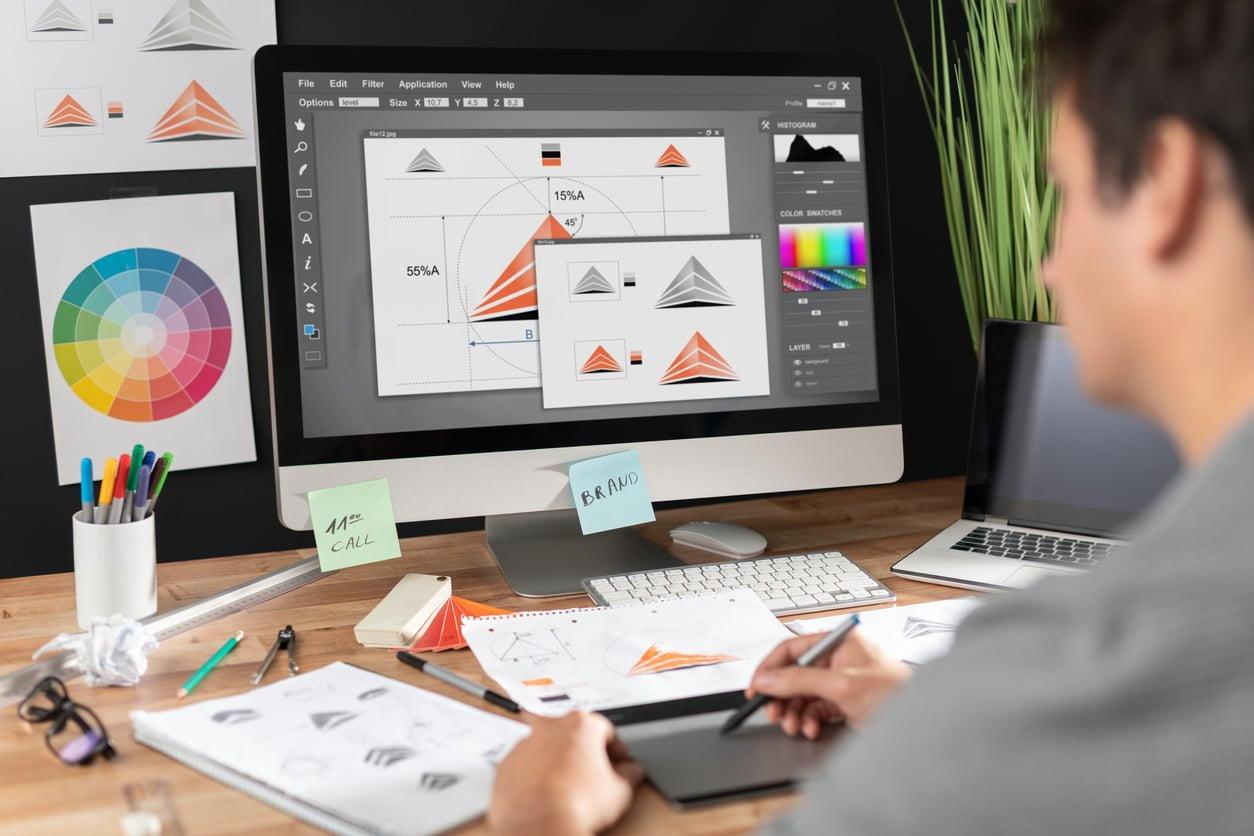
Visual Designer in E-Learning: Essential Skills & Career Opportunities
Are you passionate about creating visually engaging educational content and curious about careers in Education Technology (EdTech)? A role as a Visual Designer in E-Learning might be your perfect fit. As universities, colleges, and schools increasingly adopt digital learning platforms, the demand for skilled visual designers who can craft compelling, accessible, and effective learning experiences is higher than ever.
What Does a Visual Designer in E-Learning Do?
A Visual Designer in E-Learning is responsible for translating instructional content into intuitive and appealing visual elements that support learning objectives. Working alongside instructional designers, subject matter experts, and developers, visual designers breathe life into online courses, interactive modules, and digital educational resources.
- Designing user interfaces for learning management systems (LMS)
- Developing infographics, icons, and visual aids to simplify complex topics
- Creating animations and graphics for presentations and e-learning courses
- Ensuring visual consistency across courses and platforms
- Collaborating on branding for educational technology initiatives
Essential Skills for Visual Designers in E-Learning
To excel as a visual designer in the education technology sector, a blend of design expertise, technical proficiency, and understanding of pedagogy is vital. Here are the most significant skills to cultivate:
1. Mastery of Design Tools
- Adobe Creative Suite (Illustrator,Photoshop,InDesign,After Effects)
- Experience wiht e-learning authoring tools (Articulate Storyline,adobe Captivate,Lectora)
- Familiarity with prototyping tools (figma,Sketch,Adobe XD)
2. User Experience (UX) & User Interface (UI) Design
- designing intuitive navigation structures for online courses
- Applying usability principles to maximize learner engagement
- Knowledge of accessibility standards (WCAG, Section 508) to ensure inclusive learning
3. visual Interaction & Storytelling
- Translating complex ideas into digestible visual elements
- Creating storyboards for educational videos and modules
- Using color, typography, and layout effectively to aid comprehension
4. Collaboration and Project Management
- Communicating ideas clearly to non-designers and interdisciplinary teams
- Time management and ability to juggle multiple projects simultaneously
- Attention to detail in meeting brand guidelines and educational standards
5. Understanding of Learning Principles
- Awareness of instructional design models (ADDIE, SAM, Bloom’s Taxonomy)
- Aligning visual design choices with pedagogical objectives
- Continuous learning about educational trends and technologies
Career opportunities in EdTech for Visual Designers
Careers for Visual Designers in E-Learning are diverse and dynamic. Educational institutions and private EdTech companies alike seek designers who can shape world-class learning experiences.
Popular Job Titles Include:
- E-Learning Visual Designer
- Learning experience Designer
- Instructional Media Designer
- Multimedia Specialist for Education
- UI/UX designer (Educational Products)
Typical Work Environments:
- Universities and colleges (Academic Technology or Distance Learning departments)
- K-12 School Districts (Educational Technology teams)
- Private EdTech companies and start-ups
- Online education platforms and MOOC providers
- Freelance and contract roles for educational publishers
Benefits of Becoming a Visual Designer in E-Learning
Choosing a career as a visual designer in education technology offers unique rewards and growth potential:
- Impactful Work: Shape how thousands of learners access and absorb knowledge
- Creative expression: Use your artistic skills to solve complex educational challenges
- Future-Proof Career: Contribute to a rapidly growing sector with high demand for digital learning
- Flexible Work Options: opportunities for remote or hybrid arrangements, freelance projects, and full-time positions
- Lifelong Learning: Stay at the cutting edge of design tools and educational methods
How to Start Your Career as a Visual Designer in EdTech
Breaking into the field of e-learning visual design takes planning, skill advancement, and networking. Here are some practical steps to help you land your first job as a visual Designer in E-Learning:
1. Build a Strong Portfolio
- Showcase e-learning projects, either from coursework, internships, or personal initiatives
- Include before-and-after examples to highlight your problem-solving skills
- Present a range of work: UI design, infographics, animation, interactive storyboards
2. Acquire Relevant Education & Training
- Pursue formal education in graphic design, multimedia arts, digital media, or a related field
- Consider certifications in instructional design or edtech (e.g., ATD, eLearning Guild)
- Attend workshops or online courses focusing on accessibility, UX, and e-learning authoring tools
3. Gain Experience in education Technology
- Volunteer for design projects at schools or non-profit educational organizations
- Apply for internships at universities, EdTech companies, or government educational programs
- Network in professional associations and online EdTech communities
4.Stay Current
- Follow EdTech trends, popular learning management systems, and new design tools
- Attend industry conferences, webinars, and portfolio reviews
- read reports on e-learning effectiveness and emerging digital learning methodologies
5. Develop Soft Skills
- Communication and collaboration are essential—frequently enough you’ll act as a bridge between faculty, developers, and learners
- Be receptive to feedback and agile in incorporating it into your design process
- Time management and the ability to work independently are highly valued
Key Qualities That Recruiters Look For
When applying for Visual Designer in E-Learning positions at universities, colleges, or schools, recruiters seek more than portfolio pieces. Highlight the following strengths:
- Demonstrable experience with e-learning and educational projects
- Understanding of interactive design for various age groups and abilities
- Proficiency in responsive design for devices (desktops,tablets,smartphones)
- Familiarity with SCORM or xAPI standards in course development
- Passion for education and commitment to lifelong learning
Practical Tips for a Successful E-Learning visual Design Career
- Ask for feedback regularly from both users and stakeholders to improve your work
- Document your design process—explaining how you arrived at decisions is just as important as the finished product
- Create accessible designs by utilizing contrast,scalable fonts,option text,and navigation simplicity
- Show initiative—develop side projects or prototypes for emerging EdTech challenges
- Emphasize impact—in your resume and interviews,discuss how your design improved learning outcomes or user engagement
Conclusion
The role of a Visual Designer in E-Learning is at the heart of today’s digital transformation in education. As universities, colleges, and schools continue to innovate, skilled visual designers are vital in making learning more engaging, effective, and accessible for all.By developing your technical, creative, and instructional skills, and building a strong portfolio, you’ll be well on your way to a fulfilling career in education technology. Start your journey today and help shape the future of learning.