
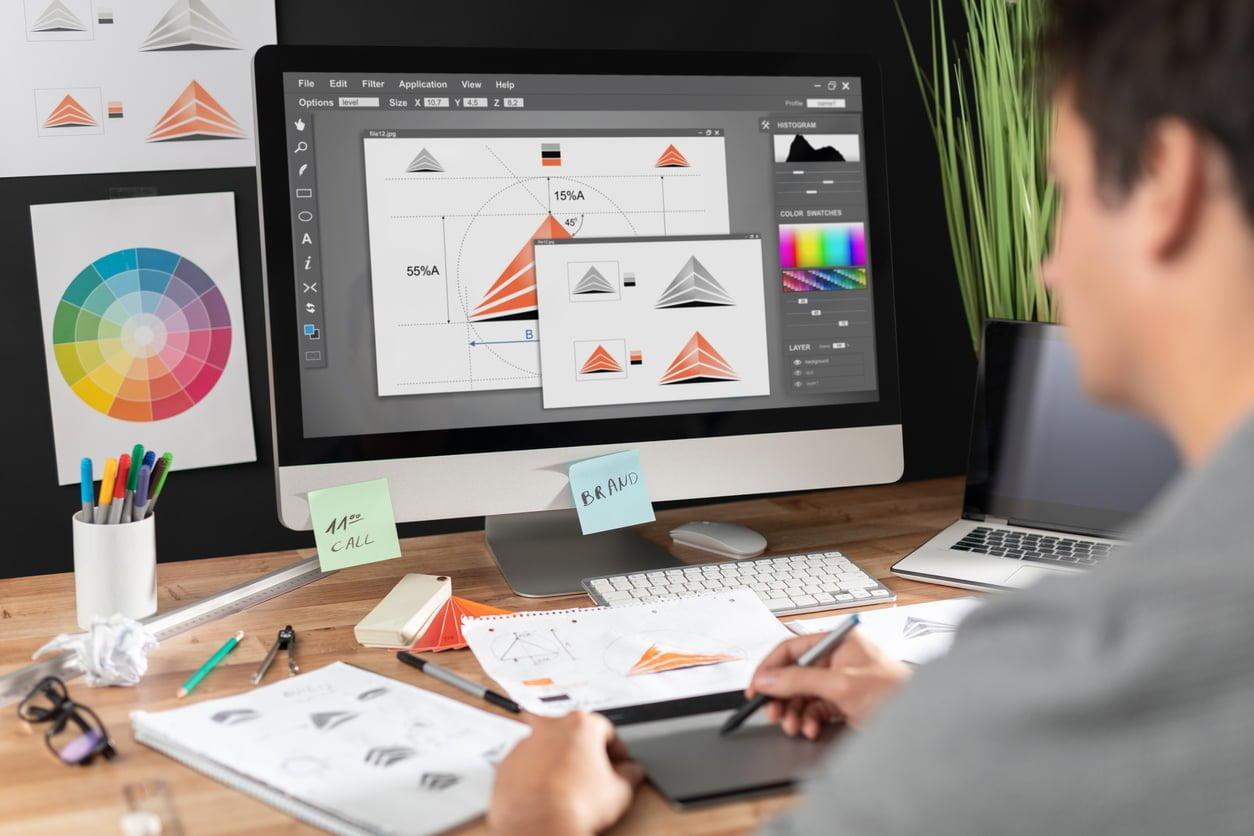
Visual Designer in E-Learning: Key Skills, Roles, and Career pathways
Are you passionate about design and education? Pursuing a career as a Visual Designer in E-Learning at universities, colleges, or schools could offer you the perfect blend of creativity and purpose. As educational institutions continue embracing technology, the demand for skilled visual designers specializing in e-learning has grown significantly.In this comprehensive guide, we’ll explore the key skills needed, primary roles and responsibilities, career opportunities, benefits, and practical tips to help you secure a rewarding job in this dynamic field.
Introduction to Visual Design in E-Learning
In today’s digital age,educational technology is transforming how students engage wiht learning materials. as a Visual Designer in E-Learning, you play a vital role in shaping the digital experiences students encounter across various platforms and devices.
By leveraging your expertise in visual storytelling, layout, and interactive media, you help convert complex concepts into accessible, engaging, and effective e-learning modules. These roles are now critical at universities,colleges,and schools aiming to offer high-quality educational content online and in blended learning environments.
Roles and Responsibilities of a Visual Designer in E-Learning
Visual Designers in educational technology are at the forefront of creating impactful digital learning experiences. Here’s an overview of what to expect in this role:
- Designing E-Learning Interfaces: Create user-kind and visually appealing interfaces for online courses, learning management systems, and multimedia content.
- Developing Visual Assets: Produce graphics, animations, icons, infographics, and illustrations tailored for educational purposes.
- Collaborating with Instructional Designers: Work closely with instructional designers, subject matter experts, and educators to convert course content into effective visual narratives.
- Adhering to Branding and Accessibility Standards: Ensure visual elements align with the institution’s branding guidelines and meet accessibility standards for diverse learners.
- Supporting Multimedia Production: Contribute to the creation of video, audio, and interactive simulations that enhance the learning experience.
- Prototyping and User Testing: Develop wireframes, prototypes, and conduct user testing to evaluate the effectiveness of designs.
- Continuous Improvement: Analyze feedback from educators and students to refine visual materials and course interfaces.
Key Skills Needed for E-Learning Visual Design Roles
If you’re keen to land a job as a Visual Designer in E-Learning, honing the right skill set is crucial. here’s a breakdown of the essential skills:
Technical Skills
- graphic Design Tools: Proficiency in Adobe Creative Suite (Photoshop, Illustrator, InDesign), Sketch, Figma, or similar design software.
- E-Learning Authoring Tools: Experience with tools such as Articulate Storyline, Adobe Captivate, or Lectora Inspire is highly valued.
- UI/UX Fundamentals: Knowledge of user-centered design, wireframing, prototyping, and usability principles.
- Motion Graphics & Animation: Ability to create simple animations and transitions using After Effects or similar tools.
- Web and Mobile Design: Understanding of responsive design practices for creating content adaptable to desktops, tablets, and smartphones.
- Basic HTML/CSS Skills: An understanding of HTML and CSS is helpful for collaborating with developers and customizing content.
Soft Skills
- Collaboration: Ability to work efficiently with cross-functional teams including educators, developers, and instructional designers.
- Creativity: Innovative approach to problem-solving and visual storytelling.
- communication: Clear articulation of design choices and openness to feedback.
- Attention to Detail: Consistent adherence to visual standards, accessibility, and branding guidelines.
- Time Management: Strong organizational skills to manage multiple projects and meet tight deadlines.
Educational and Professional Requirements
Visual Designers in educational technology typically possess:
- A bachelor’s degree in graphic design, visual communication, multimedia design, or a related field.
- Portfolio showcasing relevant e-learning or educational design projects.
- Prior experience in education, edtech, or digital media is often desirable.
- Certifications in e-learning authoring tools or UX/UI design can be an asset.
Career Pathways and Growth Opportunities
The role of a Visual Designer in E-Learning opens doors to a variety of exciting career pathways within the education sector:
- Senior Visual Designer: Oversee large-scale projects or mentor junior designers.
- Instructional Designer: transition into designing instructional content and curriculum development.
- UX/UI Designer: Move into specialized roles focusing on user experience and interface design for educational platforms.
- Multimedia Specialist: Focus on producing videos, interactive modules, and advanced media content.
- Design Lead/Manager: Lead creative teams within a university, college, or school’s technology department.
- Independent Consultant/freelancer: offer e-learning design services to educational institutions and edtech startups.
Benefits of a Visual Designer Role in Educational Technology
Pursuing a visual design career in e-learning at educational institutions comes with a host of advantages:
- Purpose-Driven Work: Contribute to improving the learning experiences of students across all ages and backgrounds.
- Job Stability: Increasing demand for digital education ensures long-term career prospects and job security.
- Creative Fulfillment: Use your artistic and technical skills in meaningful ways.
- Opportunities for Growth: Many institutions provide professional development, training, and the chance to cross-skill in related domains.
- Work-life Balance: Many universities and schools offer flexible or hybrid work arrangements.
- Networking and Collaboration: Interact with creative professionals, educators, technologists, and industry leaders.
Practical Tips for Landing a Visual Designer Job in E-Learning
Ready to launch your career as a Visual Designer in E-Learning? Here are some actionable tips to help you stand out in the competitive education technology job market:
- Build a Diverse Portfolio: Showcase your best work,including e-learning modules,infographics,UI mockups,and multimedia content relevant to education.
- Stay Current with Trends: Follow the latest developments in educational technology design and e-learning.
- Network with EdTech Professionals: Attend industry events, webinars, or conferences to make valuable connections.
- Demonstrate Accessibility Awareness: Make sure your designs are inclusive and compliant with accessibility standards.
- Highlight Collaboration Experience: Emphasize projects where you worked with teachers, instructors, or cross-functional teams.
- Get Certified: Consider getting credentials in e-learning development tools, UX/UI, or accessibility to boost your resume.
- Tailor Your Request: customize your CV and cover letter to address the unique needs and goals of each institution you apply to.
Conclusion
The role of a Visual Designer in E-Learning offers a unique and fulfilling pathway in educational technology. By harnessing your creativity, technical proficiency, and passion for learning, you can play a pivotal role in shaping the digital classrooms of tomorrow. Universities, colleges, and schools are actively seeking talented designers to craft engaging and accessible educational content. By developing the right skills, building an impressive portfolio, and staying updated with industry trends, you can open doors to a meaningful and stable career in this vibrant and ever-evolving field.
Embrace the opportunity to blend design and education—become a change-maker in the e-learning revolution!