
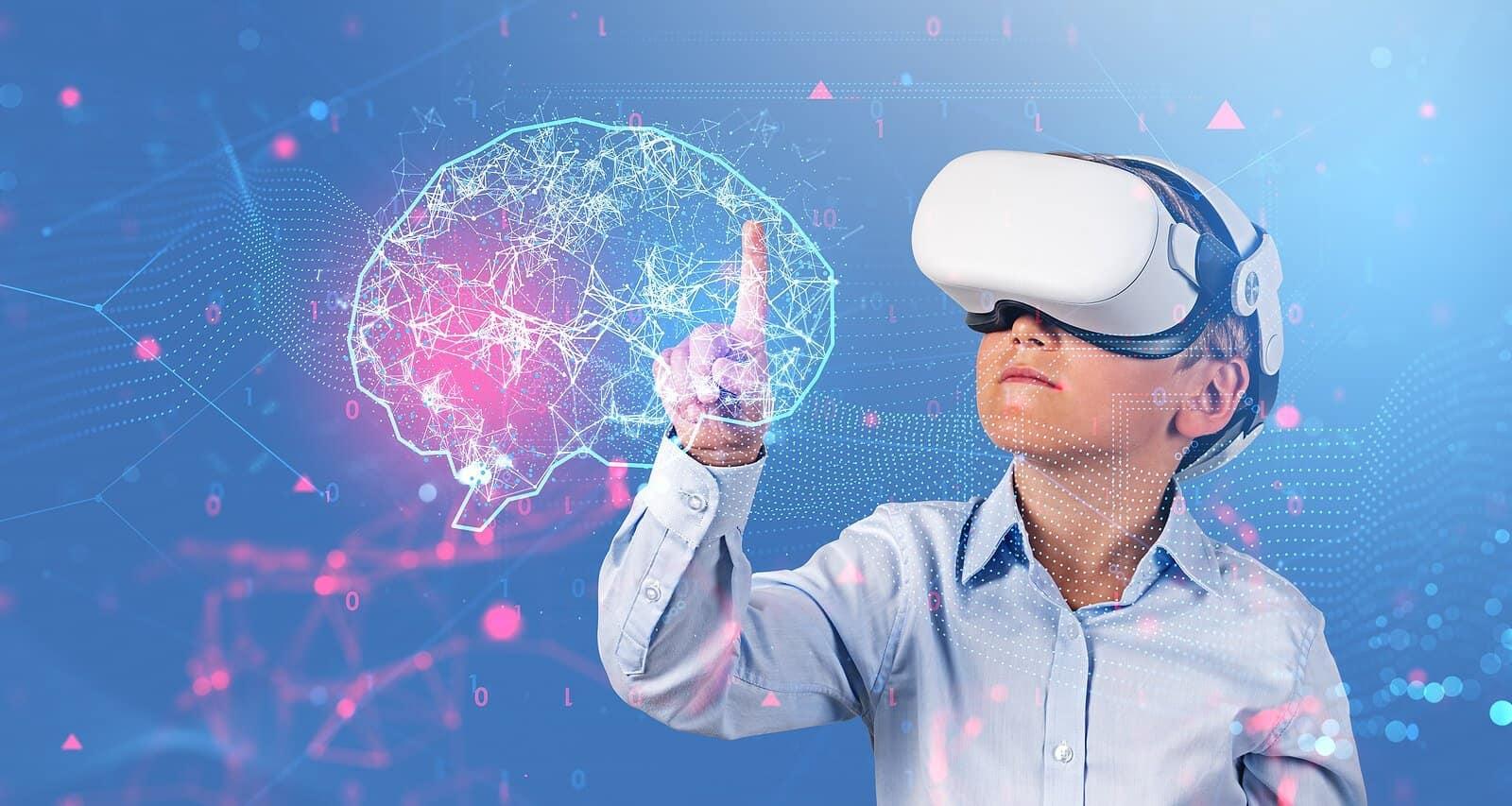
VR/AR in Education: A Comprehensive Evaluation of Effectiveness
Introduction
The rapid progress in Virtual Reality (VR) and Augmented Reality (AR) technologies has transformed how we experience digital content. But their impact extends beyond gaming and entertainment. Today, VR/AR in education is revolutionizing teaching and learning, making lessons more immersive, engaging, and interactive. But how effective are these technologies in improving educational outcomes? This article offers a comprehensive evaluation of VR and AR in the classroom, exploring benefits, challenges, case studies, and practical tips for integrating these cutting-edge tools.
Understanding VR/AR Technologies in education
Virtual Reality (VR) immerses learners in a simulated surroundings using headsets and motion tracking, allowing complete interaction with digital scenarios. Conversely, Augmented Reality (AR) overlays digital facts onto the real world, frequently enough through smartphones or tablets, blending physical and virtual experiences. In education, these technologies are being used from primary schools to universities, enhancing subjects such as science, history, math, and art.
Benefits of VR/AR in Education
Integrating VR and AR in the classroom can unlock numerous advantages for students, teachers, and institutions.
1. Enhanced Engagement and Motivation
- Immersive experiences make learning fun and memorable
- Gamification features boost student motivation
- Visual and interactive elements cater to different learning styles
2. Improved Knowledge Retention
- Interactive lessons help students understand complex concepts
- Hands-on simulations promote experiential learning
3. Safe, Controlled Learning Environments
- students can practice dangerous tasks or experiments safely
- Historical and scientific environments can be recreated for exploration
4.Increased Accessibility and Inclusion
- VR/AR can accommodate students with disabilities, offering assistive features
- Remote learners can access virtual classrooms and collaborative spaces
5. Real-World Skill Development
- Simulations prepare students for real-world scenarios (e.g., medical procedures, engineering tasks)
- Soft skills like teamwork, problem-solving, and critical thinking can be practiced
Case Studies: How VR/AR is Transforming Education
Stanford University – VR in Medical Training
Stanford University has undertaken extensive research on VR in medical education. Their VR anatomy labs allow students to interact with 3D models of human organs, providing a more thorough understanding of human anatomy than conventional book-based learning. Clinical simulations using VR headsets have also increased student confidence and competence before working with real patients.
Lenovo’s AR Classroom Solutions
Lenovo introduced AR-based science kits for K-12 schools. Students use tablets to visualize chemical reactions, planetary motion, and biological processes, resulting in improved test scores and higher enthusiasm for STEM subjects.
ClassVR – Interactive learning for all Ages
With ClassVR, educators can take students on virtual field trips—exploring ancient ruins, distant planets, or the depths of the ocean. Teachers report higher student engagement and inclusivity, especially for those unable to participate in physical field trips.
Evaluating the Effectiveness of VR/AR in Education
Numerous studies and firsthand experiences highlight the positive impact of VR/AR. However, it’s essential to assess effectiveness using objective metrics:
- Academic Performance: Research shows students using VR/AR score higher on retention and comprehension tests compared to traditional methods.
- Engagement Analytics: Teachers report increased participation and longer attention spans.
- Feedback from Learners: Most students describe VR/AR lessons as more enjoyable and less intimidating.
- Skill Acquisition: Measurable improvements in practical skills for disciplines such as medicine, engineering, and architecture.
however, challenges remain, including device cost, teacher training, and ensuring broad accessibility. Effectiveness depends on thoughtful integration into curricula and adequate support for teachers.
Practical Tips for Implementing VR/AR in the Classroom
- Start Small: Pilot a single subject or lesson using VR/AR, such as a virtual science experiment or historical tour.
- Choose Age-Appropriate Content: Select platforms suited for your students’ age and curriculum.
- Invest in Training: provide professional development sessions for educators to get familiar with technology and pedagogical approaches.
- Prioritize Accessibility: consider tools with customizable interfaces and support for students with special needs.
- gather Feedback: Regularly survey students and teachers to measure impact and adjust your approach accordingly.
- Collaborate: Work with other schools, districts, or technology providers to share best practices and resources.
First-Hand Experiences: Voices from the Classroom
Teachers and students are embracing VR/AR with enthusiasm. Here’s what some have to say:
“
Our biology class used AR to visualize the human heart.Seeing the chambers and vessels in 3D made everything click—I understood circulation like never before!
” – Jasmine, High School Student
“
“
Integrating VR into my history lessons let students “walk” around ancient Rome. Their curiosity skyrocketed, and even reluctant learners wanted to participate!
” – Mr. Sanchez, Middle School Teacher
“
“
We use AR for remote tutoring. our students love how collaborative sessions feel in our virtual classroom space. It’s been a game changer for engagement.
” – Ms. Lee,Online Tutor
”
Future Trends and Possibilities
As the technology matures,the potential of VR/AR in education keeps expanding. Industry experts predict:
- More affordable devices and platforms, increasing accessibility
- Integration with AI to personalize learning experiences
- Mixed reality environments blending VR, AR, and real-world labs
- Global collaborative projects, connecting students worldwide
- Expanding subject coverage, including arts, languages, and social sciences
Conclusion
VR/AR in education offers transformative possibilities, delivering immersive, interactive, and inclusive learning experiences. Case studies and research consistently demonstrate improved student engagement,knowledge retention,and real-world skill development. While challenges exist—such as device costs and required teacher training—the ongoing evolution of VR/AR technologies will make them ever more accessible. Schools, educators, and edtech innovators should collaborate to keep pushing these boundaries, ensuring every learner can benefit from the digital classroom of the future.
Ready to explore VR/AR for your students? Start small, gather feedback, and watch technology unlock new horizons in learning.