
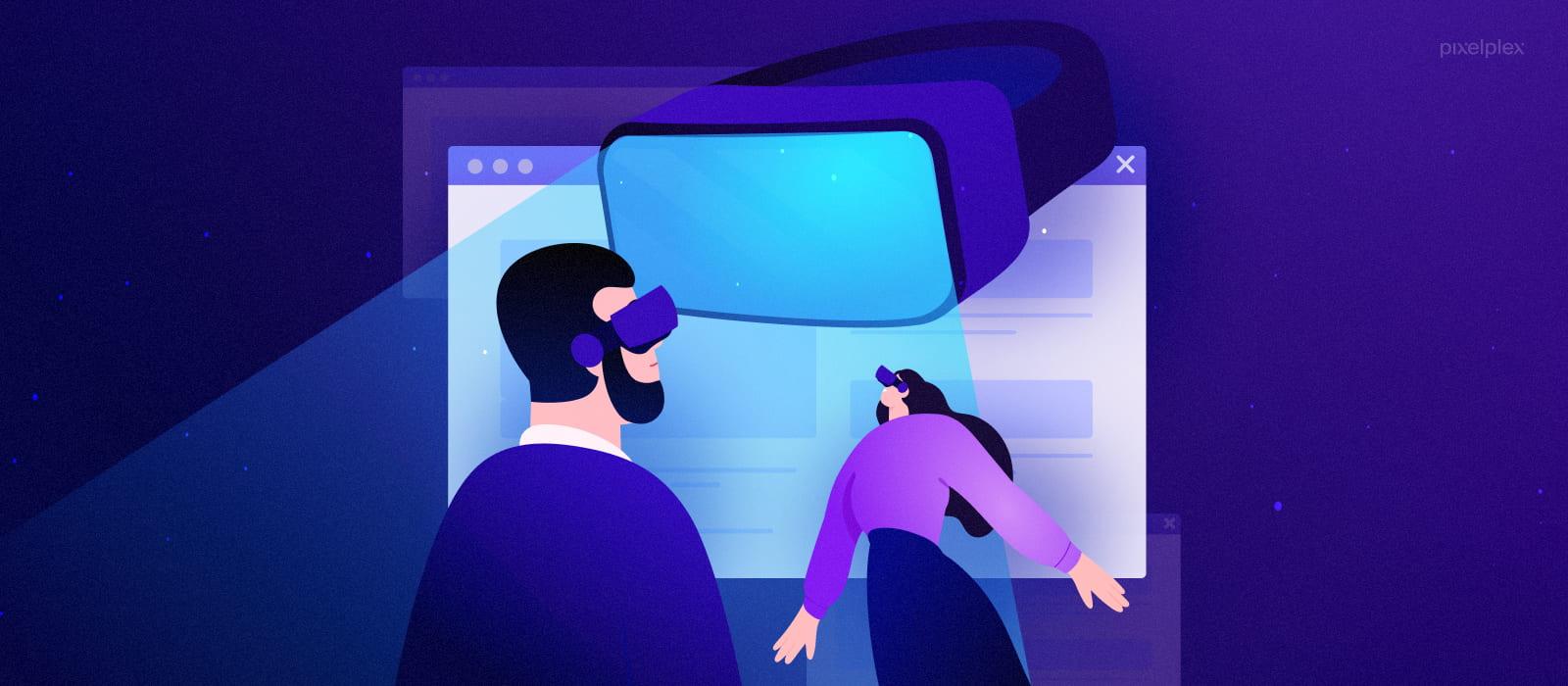
VR/AR in education: How Effective Are Immersive Technologies for Learning?
Virtual Reality (VR) and Augmented Reality (AR) have moved far beyond the realm of gaming, taking center stage in the field of education. Immersive technologies promise too revolutionize how students learn, grasp complex concepts, and engage with content. But how effective are VR and AR in enhancing student outcomes,and what does research say about immersive learning environments? This article dives into the potential,benefits,practical implementation,and real-world impact of VR/AR in education.
Understanding VR & AR: A Brief overview
VR (Virtual Reality) immerses users entirely in a digital habitat, often using headsets like Oculus Quest or HTC Vive. AR (Augmented Reality) overlays virtual elements onto the real world using smartphones, tablets, or AR glasses.Combined, these immersive technologies are forging new paths in interactive and personalized learning.
- VR creates simulated 3D worlds for hands-on learning.
- AR enhances real-world surroundings with interactive digital content.
The Effectiveness of VR/AR in Education
How effective are VR and AR in educational settings? Numerous studies and real-world applications suggest notable improvements in learning outcomes when these technologies are deployed thoughtfully.Here’s why immersive technologies are transforming the classroom:
Enhanced Engagement and Motivation
- digital environments capture students’ attention and curiosity.
- Gamified elements and interactive scenarios boost participation.
- Real-time feedback encourages persistence and discovery.
Improved Knowledge Retention
Experiential learning in VR/AR enables students to “learn by doing.” According to Stanford University, retention rates are up to 75% higher when students actively participate in VR scenarios than with passive learning methods.
Practical Skills Acquisition
- simulations allow safe practice of medical procedures, engineering tasks, and laboratory experiments.
- Language learning apps like Mondly VR provide immersive conversational practice with virtual tutors.
- STEM subjects benefit from interactive visualization of complex structures and systems.
Personalized & Adaptive Learning
Students progress at their own pace, exploring virtual environments tailored to their interests, learning styles, and educational needs. Educators can monitor progress and adjust content for optimal outcomes.
Benefits of Immersive Technologies in Learning
VR/AR in education unlocks several advantages that traditional methods may lack:
- Accessibility: Connects learners from remote or underserved areas to high-quality digital resources.
- Safety: Risk-free simulations prepare students for hazardous or challenging tasks.
- Inclusivity: Adaptable to special needs students—visual, auditory, or mobility challenges are addressed with customizable environments.
- Collaboration: Virtual worlds foster teamwork and problem-solving across geographical barriers.
- Cost-effective: Reduces costs related to physical materials, travel, and laboratory equipment.
Case studies: VR/AR Success Stories in education
Let’s examine some notable applications of immersive technologies:
Medical Education at Case Western Reserve University
Case Western uses Microsoft HoloLens (AR) to teach anatomy. Students interact with 3D visualizations of organs and body systems, drastically improving comprehension and surgical outcomes. According to university surveys, 98% of users reported higher engagement and confidence levels.
Language Learning with Mondly VR
The Mondly VR app uses conversational bots and real-life scenarios to simulate immersive language learning environments. Learners practicing with Mondly show a 30% faster vocabulary acquisition rate and improved conversational fluency compared to traditional classroom methods.
STEM education with Labster VR Simulations
Labster provides virtual science laboratories, enabling schools to offer hands-on experiments without expensive equipment or chemicals. In one study, student scores increased by 20% after VR simulation integration.
History Lessons at Florida State University
AR-powered field trips allow students to explore historical landmarks and archaeological sites virtually, transforming passive textbook learning into dynamic exploration.
Frist-Hand Experiences: What Do Students and Teachers Say?
“Trying out a chemistry experiment in VR felt incredibly real and safe. I understood concepts way better,and I wasn’t afraid to make mistakes!”
— Maria,High School Student
“With AR,I can show my students the solar system in 3D,letting them ‘walk’ among planets and stars in our classroom. The excitement is visible, and their test scores reflect deeper understanding.”
— Mr. Rogers, Science Teacher
“the instant feedback from VR simulations helps me track student progress more accurately, enabling timely intervention and support.”
— Dr. Chen, University Professor
Challenges of Implementing VR/AR in Schools
While immersive technologies hold great promise, several challenges need to be addressed for prosperous deployment:
- upfront Costs: VR headsets and AR devices can be expensive; however, prices are steadily falling.
- Technical Constraints: Reliable internet, device compatibility, and maintenance are critical issues.
- Teacher Training: Educators must be equipped with skills to design, manage, and troubleshoot immersive experiences.
- Content Quality: High-quality, curriculum-aligned VR/AR educational content is in demand.
- Student Health: Motion sickness from VR and excessive screen time must be managed.
practical Tips for Educators: Leveraging Immersive Tech in the classroom
- Start Small: Pilot a single VR/AR lesson for engagement and tech assessment.
- Choose the Right Content: Align apps and simulations with your curriculum goals.
- Involve Students: Encourage feedback from students after immersive sessions to improve delivery.
- Blend Learning Modes: Combine VR/AR with traditional methods for balanced pedagogy.
- Continued professional Growth: Participate in workshops on emerging technologies.
Looking Ahead: The Future of VR/AR in Education
Immersive technology solutions are being adopted at a rapid pace, and their future in education looks shining:
- Advancements in AI and 5G will make VR/AR experiences even more realistic and widely available.
- Costs will continue to decrease, enabling greater access across schools worldwide.
- Content will be increasingly curriculum-aligned, supporting diverse subjects and learning needs.
- Mixed reality classrooms combining VR,AR,and traditional tools will become mainstream.
Conclusion: The Impact and Promise of Immersive Technologies in Learning
VR/AR in education aren’t just buzzwords—they’re powerful tools that can enrich learning experiences, improve student outcomes, and foster lifelong curiosity. While implementation challenges remain, the evidence is clear: immersive technologies boost engagement, understanding, and practical skills across all age groups and subjects.
As schools, universities, and lifelong learners embrace VR/AR, we can expect a future where education is more interactive, inclusive, and effective. Whether you’re a teacher leading the change or a student exploring new realms, immersive learning is shaping the classroom of tomorrow—today.
Explore, experiment, and elevate learning with VR and AR!