
Wearable Technologies in Education: Revolutionizing Learning for the Digital Age
In today’s rapidly evolving digital landscape, wearable technologies in education are breaking new ground and transforming conventional learning environments. From smartwatches to virtual reality headsets, wearable devices are not only enhancing classroom experiences but also revolutionizing how educators and students interact with information. In this extensive guide,we’ll explore the rise of wearable tech in classrooms,its key benefits,practical applications,inspiring case studies,and what the future holds for this exciting sector.
What Are Wearable technologies in Education?
Wearable technologies are electronic devices that can be worn on the body, either as accessories or as part of clothing. In the context of education, these devices serve to enhance engagement, facilitate personalized learning, and promote collaboration among students and teachers. Some common examples of wearables in education include:
- Smartwatches and Fitness Trackers – monitor health, set reminders, and track productivity.
- Virtual Reality (VR) Headsets – Immerse students in interactive simulations and 3D environments.
- Augmented Reality (AR) glasses – Overlay digital content onto real-world surroundings.
- Wearable Cameras – Enable hands-free recording of lessons and projects.
- Haptic Feedback Devices – Provide tactile responses to improve sensory learning.
The integration of wearable technologies in education supports dynamic and interactive learning experiences that go beyond textbooks and traditional computer labs.
Key Benefits of Wearable Technology in Education
Wearable tech is more than a trend—it’s a powerful educational tool.Here’s how wearables are revolutionizing learning for the digital age:
1. Enhanced Student Engagement
- Gamified Learning: Devices like VR headsets transform lessons into interactive adventures,making complex subjects engaging and accessible.
- Personalized feedback: Smartwatches give real-time notifications and reminders, helping students manage time and tasks more effectively.
2. Accessibility and Inclusion
- Support for Diverse Learners: AR glasses can convert text to speech, helping students with visual impairments or reading difficulties.
- Remote Participation: Wearable cameras allow homebound learners to experience live lessons virtually.
3. Data-Driven Insights
- Real-Time Monitoring: Fitness trackers monitor physical activity, promoting student wellness and tracking behavioral patterns.
- Faculty Insights: teachers can use collected data to adapt teaching methods based on student performance and attentiveness.
4. Collaboration and Social Learning
- Hands-Free Interaction: Wearables enable group projects where students can share content or collaborate in virtual environments.
- Instant Connectivity: Devices keep students and teachers connected, promoting dialog and teamwork.
Practical Tips for Implementing Wearable Tech in the Classroom
Transitioning to wearable technologies in the classroom requires thoughtful planning. Here are some practical tips for educators and administrators:
- Start Small: Pilot a wearable device with one class or subject before scaling up school-wide.
- Ensure Privacy and Security: Establish protocols for data protection and responsible usage.
- Offer Training: Provide hands-on training for teachers to maximize the benefits of wearable technology.
- Engage Parents: Communicate the advantages of wearables to families and invite them to participate in trials or events.
- Evaluate and Adapt: Continuously assess the impact on student engagement, behaviour, and academic outcomes.
Case Studies: Real-World Success Stories
to better understand the transformative power of wearable technologies in education, let’s look at some innovative institutions leading the way.
Stanford Virtual Human Interaction Lab
Stanford University utilizes virtual reality headsets to immerse students in real-life scenarios—from exploring the solar system to practicing empathy through outlook-taking simulations. Data shows enhanced retention rates and increased enthusiasm for learning complex topics.
British Schools and Smartwatches
Several UK primary schools have incorporated fitness trackers to encourage physical activity. By turning exercise into friendly competitions, students increased their daily activity levels by up to 40%, and educators noticed improved concentration in class.
Google Expeditions in US Classrooms
Through Google Expeditions and AR/VR headsets, American classrooms are now taking virtual field trips to the Great Wall of China or deep into the Amazon rainforest, fostering global awareness and curiosity without ever leaving the school building.
First-Hand Experiences: Voices from Classrooms
Educators and students alike are enthusiastic about the integration of wearable technology in education:
“Using VR goggles transformed my chemistry class. Rather of abstract theories, my students could visualize and interact with molecular structures. The engagement and understanding were remarkable!” — Ms. Linda Gomez, High School Teacher
“With my smartwatch, I can quickly access reminders and timers during exams, which helps me manage my time and focus on each question. it’s like having a personal assistant on my wrist!” — Jake, 9th Grade Student
Future Trends: The Evolution of Wearable Technologies in Education
the future of wearable tech in schools is both promising and exciting. Here are a few trends to watch:
- AI-Driven Learning Tools: Smart wearables that adapt in real-time to learners’ needs and personalize content delivery.
- Biometric Feedback Integration: Devices that analyze stress levels during exams and suggest calming techniques.
- Immersive Learning Spaces: School districts designing hybrid classrooms where wearables bridge the digital and physical worlds.
By embracing these technologies, educational institutions can foster lifelong learning skills and prepare students for the challenges of a technology-driven world.
Challenges and Considerations
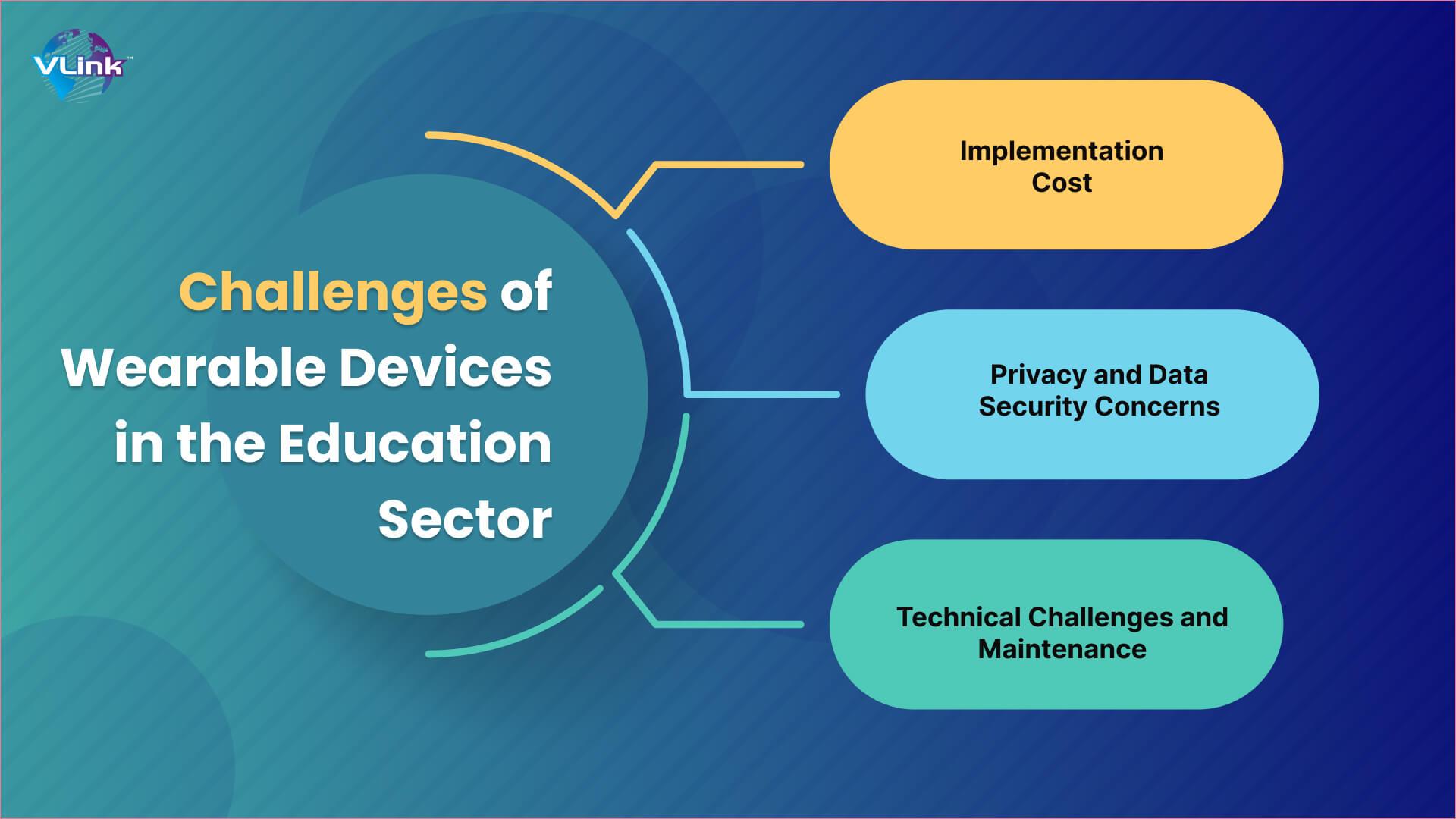
While the benefits are compelling, implementing wearable technologies in education comes with its own set of challenges:
- privacy Concerns: Protecting sensitive student data is paramount.
- Cost and Accessibility: Ensuring all students have equal access to devices and supporting infrastructure.
- Teacher Training: Ongoing professional progress is essential for effective integration.
- Device Management: Schools must plan for maintenance, updates, and technical support.
By addressing these challenges proactively, schools can maximize the impact of wearable tech and ensure it benefits every learner.
Conclusion: embracing the Future of Learning
As we navigate the digital age, wearable technologies in education stand out as vital tools for revolutionizing learning. These innovative devices foster engagement, support diverse learners, and deliver data-driven insights that empower teachers and students alike. By staying informed about the latest trends, implementing best practices, and fostering open conversations around access and privacy, educators can unlock the full potential of wearables in the classroom.
Ready to bring your school into the future? Harness the power of wearable tech, transform your students’ educational journeys, and pioneer a new era of dynamic, interactive, and personalized learning.