
Wearable Technologies Revolutionize Education: Transforming Learning in the Digital Age
Welcome to a new era where wearable technologies are not just fitness trackers or smartwatches, but dynamic tools reshaping the landscape of modern education. As we embrace the digital age, immersive and interactive learning environments powered by wearables are paving the way for innovative teaching strategies and enhanced student engagement. In this complete guide, we’ll explore the revolution of wearable technologies in education, their benefits, practical implementations, and real-world examples transforming classrooms worldwide.
Understanding Wearable Technologies in Education
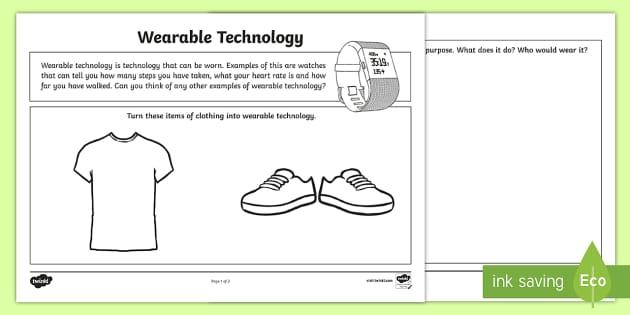
Wearable technologies refer to internet-connected devices designed to be worn on the body,integrating digital functionalities seamlessly into everyday activities. In the educational sphere, wearables include:
- Smartwatches for notifications, reminders, and quick information access.
- Fitness trackers promoting health and wellness among students.
- Augmented Reality (AR) and Virtual Reality (VR) headsets delivering immersive learning experiences.
- Smart glasses enabling hands-free access to digital content.
- Interactive badges and sensors enabling attendance and participation gamification.
With continuous advancements, these devices facilitate personalized learning, real-time feedback, and collaborative educational experiences that align with the needs of digital natives.
how Wearable Technologies Revolutionize Education
The Shift from Conventional to Digital Classrooms
Wearable technologies are a driving force behind the digital transformation of education. By integrating wearables, institutions are moving away from static, textbook-centric approaches to dynamic and interactive learning environments.This shift helps educators deliver customized instruction, monitor student progress, and foster inclusive learning spaces.
Key Aspects of Wearable Tech Impacting Education
- Real-Time Assessment: Smart badges and wearables monitor student engagement and performance, allowing timely interventions and support.
- Collaboration & Engagement: VR headsets facilitate group projects in virtual worlds, breaking physical barriers and nurturing teamwork skills.
- Inclusive Learning: wearable devices provide tailored support for differently-abled learners, offering accessibility enhancements like audio feedback and gesture controls.
- Gamification: Fitness trackers and interactive badges make learning fun by turning classroom participation and activities into games.
Benefits of Wearable Technologies in Education
Integrating wearable tech in school and higher education settings offers a multitude of advantages:
- Personalized Learning Pathways: Artificial intelligence embedded in wearables curates custom learning experiences, adapting to individual strengths and weaknesses.
- Improved Physical and Mental Wellbeing: Fitness trackers encourage movement, promote mindfulness, and support holistic student health.
- Enhanced Engagement: Interactive AR/VR games and simulations captivate learners and simplify complex subjects.
- Instant Feedback: Educators and students receive real-time performance metrics, fostering ongoing improvement.
- Facilitated Communication: Smartwatches and badges enable students to reach teachers quickly,enhancing coordination during projects or emergencies.
- Accessibility for All: Wearables break down barriers for students with disabilities by providing alternative routes to learning and participation.
Case Studies: Wearable Technologies in Action
VR Headsets at Stanford University
Stanford’s School of Medicine adopted VR headsets to bring anatomy lessons to life. Students can visualize and manipulate 3D models, deepening their understanding of complex biological structures, leading to higher retention rates compared to traditional lectures.
Smartwatches in Finnish Schools
Several Finnish schools integrated smartwatches into everyday classroom activities. Teachers use these devices to monitor attendance, track activity levels, and send reminders to students. A reported 20% increase in punctuality and participation was observed within six months of implementation.
Augmented Reality for Language Learning
Language educators in Japan utilize AR glasses to layer foreign vocabulary and grammar tips over real-world objects. This contextual, interactive approach has boosted vocabulary acquisition rates and improved conversational competence among ESL students.
First-Hand Experiences: Educators & Students Share Insights
Teachers Boost Engagement with AR Quests
“AR headsets allowed my students to embark on virtual field trips. Exploring ancient Rome or the solar system together,even from our classroom,transformed their enthusiasm towards history and science.” – Linda K., Middle School Teacher
Students Achieve More with Personalized VR Lessons
“With VR, I finaly understood chemistry concepts that confused me for years. being able to ‘touch’ molecules and see reactions in 3D made all the difference.” – jack R., High School Student
Practical Tips for Integrating Wearable Technologies in Education
- Start Small: Begin with a pilot program using a limited number of wearables in select classrooms.
- Choose Appropriate Devices: Evaluate the curriculum needs and pick wearables that align with educational goals.
- Train Educators: Offer workshops and hands-on training to ensure teachers are agreeable with the technology.
- Prioritize Privacy: Establish policies to protect student data collected through wearable devices.
- Involve Students and Parents: Get feedback to tailor implementations and address concerns collaboratively.
- Monitor and Evaluate: Collect data on student outcomes and engagement to refine and improve the approach.
Challenges & Considerations
Despite their transformative potential, wearable technologies face hurdles in the educational context:
- Cost: High-quality wearables and supporting infrastructure can be expensive, requiring strategic investment.
- Data Security: Protecting sensitive information gathered by devices is paramount.
- Digital Distraction: Setting boundaries is necessary to prevent the misuse of wearable devices during lessons.
- Training Gaps: Not all educators are tech-savvy; ongoing professional advancement is essential.
Proactive planning and stakeholder involvement can overcome these obstacles and harness the full potential of wearables in education.
Future Trends: What’s Next for Wearable Technologies in Education?
With the rapid evolution of EdTech, the future of wearable technologies in the classroom is radiant:
- AI-Powered Wearables: Artificial intelligence will offer even more personalized, adaptive feedback to learners.
- Integration with Learning Management Systems: Seamless data transfer will enhance tracking and reporting of student progress.
- Biometric Analysis: Health trackers may identify not only physical activity but signs of stress or fatigue, enabling schools to support student wellbeing proactively.
- Global Collaboration: wearables will link learners from different cultures, fostering worldwide teamwork and understanding.
- Eco-Friendly Devices: Lasting wearable materials will address environmental concerns associated with digital hardware.
Conclusion: Wearable Technologies—Redefining Learning in the Digital Age
The integration of wearable technologies in education is more then a passing trend. It marks a profound shift towards a more interactive, inclusive, and data-driven educational experience. With wearables, teachers can deliver personalized learning pathways, enhance engagement, and empower students to take ownership of their education. While challenges exist, careful planning and community involvement can turn wearable tech into a powerful ally for lifelong learning. As technology continues to evolve, educators and students alike stand poised to unlock new horizons in the digital age classroom.