
What Does a Chief Learning Officer (CLO) Do? Key Responsibilities & Career Insights
Introduction
In today’s rapidly evolving educational landscape, technology plays a vital role in shaping how students learn and educators teach. Universities, colleges, and schools are increasingly seeking visionary leaders to bridge the gap between pedagogy and technology.This is where the Chief Learning Officer (CLO) steps in. For job seekers passionate about education technology, understanding the responsibilities, skills, and career pathways of a CLO can open exciting doors. In this article, we’ll explore what a Chief Learning Officer does, essential qualifications, benefits of the role, and practical tips for aspiring professionals.
What Is a Chief Learning Officer (CLO)?
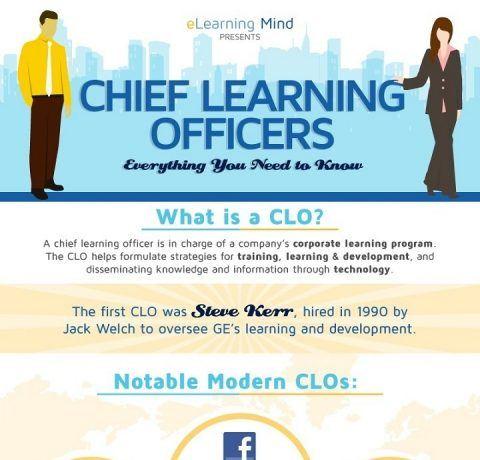
A Chief Learning Officer (CLO) is a senior executive responsible for driving the learning,training,and organizational development strategy within an educational institution. As education technology (EdTech) transforms teaching and learning methods, the CLO ensures that innovation aligns with institutional goals, delivering meaningful learning experiences for both educators and students.
- Acts as the primary architect of the institution’s learning strategy.
- Champions the integration of digital tools, e-learning platforms, and data-driven methodologies.
- Bridges communication between academic leadership, technology teams, and other stakeholders.
Key Responsibilities of a Chief Learning Officer
The role of a CLO is multifaceted and requires a blend of strategic vision and hands-on leadership. Here are the core responsibilities associated with this position:
1. Strategic Leadership in Learning and Development
- Develop and implement a holistic learning strategy that supports the institution’s mission.
- Analyze trends in education technology to keep the institution at the forefront of innovation.
- Collaborate with academic and administrative leaders to drive change management initiatives.
2. Digital Conversion & Technology Integration
- Lead the selection and deployment of learning management systems (LMS) and other digital learning tools.
- Evaluate the impact of EdTech on teaching,learning,and student outcomes.
- Promote the adoption of adaptive learning, virtual classrooms, and AI-powered solutions.
3. Curriculum Development and Instructional Design
- Guide the creation of innovative,technology-enabled curricula.
- Ensure that digital learning resources align with accreditation standards and best practices.
- Support faculty and staff in the development and delivery of hybrid and online courses.
4. Faculty and Staff Professional development
- Design and oversee professional development programs to enhance digital literacy and teaching effectiveness.
- Facilitate training, workshops, and communities of practice around emerging technologies.
5. Data-Driven decision Making
- Leverage learning analytics to assess the effectiveness of instructional programs.
- Make data-informed recommendations for continuous advancement.
6. Stakeholder Engagement and Advocacy
- Serve as a champion for innovative learning within and outside the institution.
- Engage with students, faculty, IT teams, and external partners to advance strategic objectives.
Essential Skills and Qualifications for a Chief Learning Officer
Landing a job as a Chief Learning Officer in education technology demands a diverse set of skills and qualifications:
- advanced Education: A master’s or doctoral degree in education, instructional design, educational technology, or a related field is highly valued.
- Leadership & Management Experience: Proven track record in educational leadership or organizational development roles.
- EdTech Expertise: In-depth knowledge of learning management systems (LMS), e-learning platforms, digital content, and analytics.
- Strategic Vision: Ability to develop and articulate a clear roadmap for technology-driven learning initiatives.
- Change Management: Experience leading institutions through transitions involving new technologies or pedagogical approaches.
- Analytical Thinking: Skilled in using data to evaluate,refine,and optimize learning strategies.
- Communication: Strong interpersonal, negotiation, and presentation skills for multi-level stakeholder engagement.
Benefits of Becoming a Chief learning Officer in Education Technology
Pursuing a Chief learning Officer role brings meaningful benefits,both professionally and personally:
- Leadership Influence: Shape the academic direction and culture of a university,college,or school.
- Impactful Work: Drive the adoption of cutting-edge technology to improve student outcomes.
- Career Advancement: High-level executive position with opportunities for broader educational leadership roles.
- Creative Fulfillment: Lead innovative projects in curriculum development, faculty training, and learning design.
- Professional Recognition: Gain industry reputation as a thought leader in EdTech and digital transformation.
- Competitive Compensation: Senior executive roles like CLOs are typically well-compensated with strong benefits packages.
Career Outlook and Advancement Opportunities
The demand for Chief Learning Officers is on the rise as educational institutions increasingly prioritize digital transformation and continuous learning. Job seekers with a background in educational technology, instructional design, or academic leadership are well-positioned for growth in this field. As a CLO, you may advance to Chief Academic Officer (CAO), Provost, or other senior executive roles within higher education or educational enterprises.
- Opportunities are strongest in universities, colleges, K-12 school systems, and EdTech companies.
- Remote and hybrid work arrangements are becoming more common, enhancing work-life balance.
- industry certifications (such as Certified Professional in Learning and Performance – CPLP) can add to your marketability.
Practical Tips for Aspiring Chief Learning Officers
- Build a Broad Skill Set: Gain experience in curriculum design,technology project management,and faculty development.
- Stay Informed: Keep up-to-date with the latest trends in education technology, instructional design, and learning analytics.
- Network: Attend industry conferences, participate in professional associations, and connect with EdTech innovators.
- Pursue Continuous Learning: earn relevant credentials and take part in leadership or EdTech-focused training programs.
- Showcase Results: Document your impact with case studies or measurable improvements in learning outcomes.
- Cultivate Leadership: Develop the ability to inspire others, navigate organizational change, and champion student-centered innovation.
Conclusion
The Chief Learning Officer (CLO) plays a pivotal role in shaping the future of education by strategically blending pedagogy with technology. as institutions strive to better engage students, empower educators, and harness digital tools for innovative learning, the CLO stands at the helm of change. For professionals seeking a rewarding career in education technology,this role offers remarkable impact,influence,and growth.By understanding the responsibilities, honing the necessary skills, and actively contributing to the field, you can position yourself as a transformational leader in the evolving world of EdTech.