
What Does a Chief Learning Officer (CLO) Do? Key Responsibilities, Skills, and Career Path
If you’re seeking a rewarding career in education technology within universities, colleges, or schools, the position of Chief Learning Officer (CLO) might be the perfect fit. As educational institutions continue to advance technologically and prioritize digital learning, the role of the CLO is growing in importance and scope. In this comprehensive guide, you’ll learn what a Chief Learning Officer does, the essential skills required, typical career paths, and practical tips to help you succeed in this career.
Introduction: The Role of Chief Learning Officer in Education Technology
The Chief Learning Officer (CLO) plays a critical strategic role in shaping the future of learning within educational organizations. Whether at a university, college, or K-12 school, CLOs lead the integration of technology with curriculum, foster professional progress, and drive innovation in instructional practices. In an era where digital change is redefining how education is delivered, the CLO ensures seamless adoption of educational technology and aligns learning initiatives with institutional goals.
Key Responsibilities of a Chief Learning Officer
The responsibilities of a Chief Learning officer in universities, colleges, and schools go far beyond managing instruction. CLOs play a multifaceted role that includes leadership, strategy, and hands-on technology implementation. Below are the central duties that define the CLO position:
- Strategic learning Development: Designing and executing learning strategies that support institutional objectives.Includes assessment of existing programs and planning new initiatives for student success and faculty development.
- Integration of Educational Technology: Overseeing the effective integration of edtech solutions such as Learning Management Systems (LMS), e-learning platforms, adaptive learning technologies, and digital assessment tools.
- Curriculum Innovation: Collaborating with academic leaders and teachers to develop, revise, and enhance curriculum content using innovative technologies and instructional design best practices.
- Professional development: Organizing training programs for faculty and staff to ensure effective utilization of new educational technologies and teaching methodologies.
- Data-Driven Decision Making: Gathering and analyzing data on learning outcomes, instructional practices, and technology adoption to guide evidence-based improvements.
- Policy Formulation and Compliance: Developing policies on digital learning,privacy issues,and accessibility standards in compliance with local regulations and best practices.
- Budget Management: allocating resources for technology investments and training, while ensuring cost-effectiveness and return on investment.
- Stakeholder Engagement: communicating with internal and external stakeholders—including faculty, students, IT staff, administrators, and vendors—to foster a collaborative learning environment.
Essential Skills for a prosperous CLO in Education technology
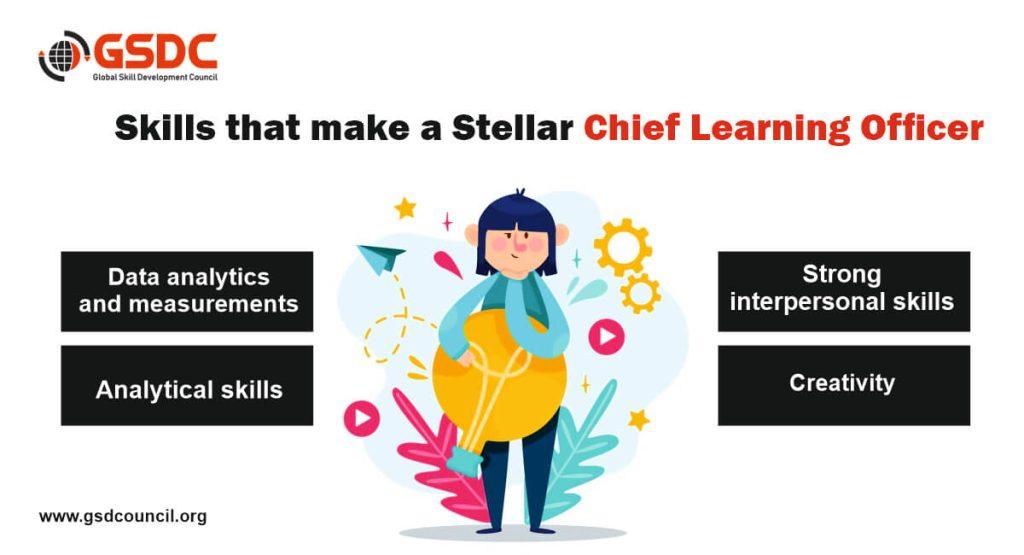
For those considering a career as a Chief Learning Officer, mastering a combination of technical, leadership, and dialog skills is key. Here are the must-have skills for excelling in this role:
- Educational Technology Expertise: Proficiency in learning management systems, digital assessment tools, online collaboration platforms, and emerging edtech trends.
- Instructional Design Skills: Deep understanding of instructional design principles and learning sciences to create engaging and effective educational experiences.
- Strategic Vision: Ability to set and execute long-term learning strategies that promote innovation and meet institutional goals.
- Leadership and team Management: Proven track record of leading multidisciplinary teams, managing change, and building consensus across departments.
- Data Analysis and Assessment: Skills in analyzing quantitative and qualitative data to drive improvement in learning outcomes and technology adoption.
- Communication and Interpersonal Skills: Clear communication with diverse audiences, from executives to educators to students, fostering collaboration and buy-in.
- Project Management: Experience handling multiple projects simultaneously, ensuring timely delivery and alignment with strategic goals.
- Adaptability: Willingness to embrace new technologies, trends, and methodologies in the rapidly evolving field of education technology.
Career Path to Becoming a Chief Learning officer
Charting a path to the CLO role typically involves a blend of educational credentials, relevant experience, and a passion for innovation. Here’s an overview of typical career milestones for aspiring Chief Learning Officers in education:
- Educational Qualifications: Start with a bachelor’s degree in education, instructional design, details technology, or a related field. Advanced degrees such as a Master’s or Doctorate in Education Technology, Curriculum and Instruction, or Organizational Leadership are highly valued.
- Early Experience: Gain practical experience as a teacher, instructional designer, technology integration specialist, or educational consultant. Active participation in technology-focused projects is a plus.
- Leadership Roles: Progress into roles such as Director of E-Learning, Head of Digital Learning, or Professional Development Coordinator. Leading teams and managing educational technology initiatives is critical.
- Broader Strategic Involvement: Expand your scope by contributing to organizational strategy, policy development, and institutional innovation projects.Experience with budgeting and cross-departmental collaboration is beneficial.
- Continuous Professional Development: Engage in ongoing learning through certifications, workshops, conferences, and networking with other edtech professionals.
- Chief Learning Officer Appointment: Achieving the CLO position frequently enough comes after demonstrating visionary leadership, a track record of successful technology implementation, and the ability to influence institutional culture.
Benefits of Working as a Chief Learning Officer
Choosing a career as a Chief Learning Officer in education technology provides multiple advantages, making it one of the most impactful roles in academia and K-12 institutions:
- Leadership Influence: Directly shape the learning experiences and outcomes of students and educators by driving organizational change.
- Innovative Work Environment: Be at the forefront of adopting and implementing cutting-edge educational technologies.
- High Earning Potential: Senior leadership positions such as CLO often offer competitive salaries and additional benefits.
- Professional Growth: Continuous learning and skill development through exposure to new tools, trends, and best practices in education.
- Making a Difference: Create inclusive, effective, and engaging learning environments, positively impacting countless lives.
Practical Tips for Aspiring Chief learning Officers
Developing a career in education technology and aiming for a CLO position requires strategic action and ongoing self-improvement. consider thes practical tips for success:
- stay Current: Regularly update your knowledge on emerging educational technologies, adaptive learning platforms, and instructional design trends.
- Network with Professionals: Attend edtech conferences, join professional organizations, and connect with peers to exchange insights and opportunities.
- Build Diverse Experience: Involve yourself in a variety of technology projects, from e-learning development to policy creation.The more diverse your background, the stronger your candidacy.
- Develop Communication Skills: Practice clear,persuasive communication to effectively present ideas,gain buy-in,and inspire teams.
- Focus on Outcomes: Measure success by learning outcomes and data-driven results rather than technology implementation alone.
- Advocate for Change: Be proactive in proposing ideas and advocating for the adoption of new technologies and teaching methodologies.
Conclusion: Forging a Fulfilling Career in Education Technology as a CLO
As the digital transformation of education accelerates, the Chief Learning Officer stands at the intersection of technology, leadership, and innovation. for job seekers aspiring to this influential role within universities,colleges,or schools,a blend of strategic vision,technological acumen,and collaborative leadership is essential.by embracing continuous learning and leveraging the opportunities described, you can build a fulfilling career that truly makes a difference in the lives of students and educators. If you’re passionate about education technology and ready to steer organizational success, the CLO role offers unparalleled professional and personal rewards.