
What Does a Chief Learning Officer (CLO) Do? Key Roles, Responsibilities, and Career Path
Are you passionate about education technology and leadership? The role of the Chief Learning officer (CLO) is becoming increasingly vital at universities, colleges, and schools worldwide. As education evolves with digital tools and e-learning,the demand for visionaries who can blend technology with impactful learning grows steadily. If you’re considering a career in education technology, understanding the roles, responsibilities, and career path of a CLO can help you map out your journey and prepare for this meaningful leadership role.
What is a Chief Learning Officer (CLO)?
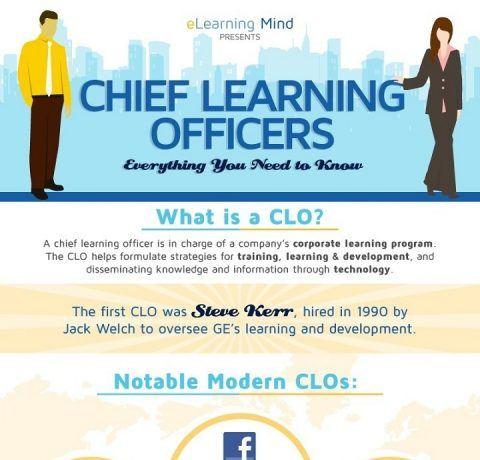
A Chief Learning Officer (CLO) is a senior executive responsible for shaping and implementing an institution’s learning strategy. In the context of education technology, the CLO drives innovation in teaching and learning by leveraging digital solutions—ensuring that both students and faculty benefit from best-in-class educational experiences. The CLO’s mission is to foster a culture of continuous learning, engagement, and growth across the academic community.
Key Roles and Responsibilities of a Chief Learning Officer
The responsibilities of a CLO in universities, colleges, and schools can be broad and varied, but typically include:
- Learning Strategy Progress: Designing and executing a extensive learning strategy aligned with the institution’s mission and goals.
- Technology Integration: Implementing and managing digital learning platforms, tools, and resources to enhance educational delivery.
- Curriculum Innovation: Collaborating with faculty to develop, evaluate, and improve curricula using the latest in education technology.
- faculty and Staff Development: Leading training programs, workshops, and professional development initiatives to upskill educators and administrative staff.
- Data-Driven Decision Making: Using analytics to assess the effectiveness of learning programs and make evidence-based improvements.
- Stakeholder Engagement: Building relationships with internal and external stakeholders, including students, faculty, technology vendors, and governing bodies.
- change management: Guiding the organization through transitions, especially when introducing new learning technologies or significant pedagogical shifts.
- Compliance and Accreditation: Ensuring learning initiatives meet regulatory requirements and support the institution’s accreditation efforts.
- Budget Oversight: Managing budgets related to learning and development initiatives, including technology investments.
Daily Tasks of a CLO in Education technology
- Evaluating and selecting online learning tools
- Supervising the development of e-learning courses
- Meeting with IT, faculty, and management to synchronize technology use
- Reviewing metrics on student engagement and learning outcomes
- Staying updated on edtech trends and best practices
- Coaching staff on integrating technology into instruction
- Reporting progress to senior leadership
Essential Skills and Qualifications
Excelling in a CLO role within universities, colleges, or schools demands a unique blend of educational, technological, and leadership skills. Key competencies include:
- Educational Background: Most CLOs have an advanced degree in education, instructional design, education technology, or related fields.
- Leadership & Dialog: Strong leadership, team management, and interpersonal communication abilities.
- Expertise in Education Technology: Deep knowledge of learning management systems (LMS), virtual classrooms, and digital content development.
- Analytical Mindset: Ability to analyze data to measure success and identify areas for advancement.
- Project Management: Skilled in managing multiple projects, timelines, and budgets.
- Strategic Thinking: Vision to anticipate future learning needs and trends, building flexible strategies to address them.
Certifications and Additional Credentials
- Certified Professional in Learning and Performance (CPLP)
- Project Management Professional (PMP)
- Instructional Design Certifications (e.g., ATD, ISTE)
The Career path to Becoming a Chief Learning Officer
CLOs often arrive at the position after ascending through a combination of teaching, technology management, and leadership roles within educational or corporate settings. Here’s a typical progression:
- Entry-Level Roles: Instructional designer, learning technologist, curriculum developer, or classroom educator leveraging technology.
- Mid-Level Roles: E-learning manager, director of instructional technology, head of professional development, or academic program coordinator.
- Senior Leadership: Dean of digital learning, director of learning innovation, or associate provost for academic technology.
- Chief Learning Officer: Taking strategic ownership of institutional learning and technology initiatives at the executive level.
Transitioning from Other Sectors
Individuals with experience in corporate learning and development or technology management may also transition into CLO roles in education institutions by highlighting transferable skills in technology integration, leadership, and educational design.
Benefits of the Chief Learning Officer Role
Pursuing a CLO position in education technology offers a variety of rewards, both professionally and personally:
- Impactful Leadership: Shape the direction of educational institutions and positively influence thousands of learners.
- Professional growth: Engage with the latest educational innovations and expand your leadership portfolio.
- cross-Disciplinary Collaboration: Work alongside academic leaders, technologists, administrators, and policy makers.
- Competitive Compensation: Executive roles like CLO command attractive salary packages and benefits.
- Career Security: With continuous growth in online and blended learning, skilled CLOs are in high demand across all education levels.
How to Stand Out as a Chief Learning Officer Candidate
If your goal is to break into a CLO position in education technology, consider these practical steps to strengthen your request:
- Build a Diverse Portfolio: Showcase successful projects that blend digital tools with educational outcomes.
- Stay Current on EdTech Trends: Join professional associations, attend conferences, and read up on the latest research.
- Develop Soft Skills: Foster skills in negotiation, team leadership, change management, and cross-departmental collaboration.
- Enhance Your Digital Literacy: master leading LMS platforms, data analytics, content creation tools, and educational software.
- Earn Relevant certifications: Consider credentials in instructional design, project management, or digital pedagogy.
- Network Strategically: Connect with current CLOs, thought leaders, and decision-makers in higher education and K-12 sectors.
- Demonstrate Measurable Impact: Be prepared to provide quantifiable results from prior initiatives, such as improved retention, engagement, or learning outcomes.
Future Trends in the CLO Role
the Chief learning Officer role is evolving alongside rapid technological advances and shifts in student expectations. Future CLOs must be prepared for:
- AI and Machine Learning Integration: Personalizing learning experiences and automating educational processes.
- Blended and Flexible Learning: Designing seamless transitions between in-person,hybrid,and fully online instruction.
- Focus on Lifelong Learning: Addressing the needs of non-traditional learners and continuous education.
- Data Privacy and Ethics: Safeguarding student data while leveraging analytics for improvement.
- Global and Inclusive Practices: Supporting diverse learners worldwide through accessible and culturally responsive content.
Conclusion
The Chief learning Officer is an influential and dynamic executive role at the intersection of education and technology. For job seekers with a passion for edtech and strategic leadership, becoming a CLO offers unparalleled opportunities to impact learning experiences at universities, colleges, and schools. Building the right foundation through education, experience, and continuous professional development will set you on the path toward this rewarding career. Start preparing now, and you could soon be leading the next wave of innovation in educational technology.
For anyone aspiring to take on a transformative leadership position in education, the CLO career path is not only promising but also critical to the future of learning in a technology-driven world.