
what Does a Chief Learning Officer (CLO) do? Key Roles, Responsibilities, and skills
Introduction
In today’s rapidly evolving educational landscape, the role of the Chief Learning Officer (CLO) has become more critical than ever, especially in universities, colleges, and schools adopting education technology.The CLO sits at the intersection of leadership, learning, and innovation, driving strategic initiatives that enhance teaching and learning experiences through digital transformation. If you’re considering a career in education technology and aiming for a leadership role, understanding what a CLO does, the key responsibilities, and the essential skills required can definitely help you prepare for this dynamic and impactful position.
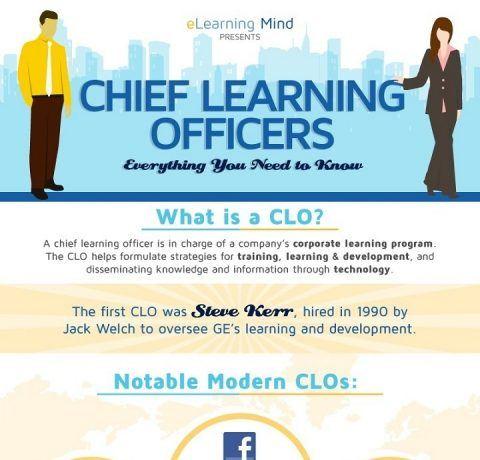
What is a Chief Learning Officer (CLO)?
A Chief Learning Officer, frequently enough abbreviated as CLO, is a senior executive responsible for shaping and leading an association’s learning strategy. In the context of universities,colleges,and schools,a CLO oversees the integration of education technology,curriculum advancement,digital learning initiatives,and professional development programs. The CLO’s ultimate goal is to align learning and development strategies with institutional goals to drive academic excellence and innovation.
Key Roles of a Chief Learning Officer in Education Technology
The primary roles of a CLO vary depending on the institution’s size, mission, and technology adoption stage.However, several core functions are common among education technology leadership positions:
- Learning Strategy development: Crafting institution-wide learning strategies that leverage technology for maximum impact.
- Digital Transformation Leadership: Leading the adoption and integration of education technologies such as Learning Management Systems (LMS), e-learning platforms, and digital content.
- Curriculum Innovation: Collaborating with academic departments to design future-ready curricula supported by innovative tools and resources.
- Faculty and Staff Development: creating and managing professional development programs that prepare teachers and staff to utilize new technologies effectively.
- Student Learning Outcomes: Ensuring that digital initiatives lead to measurable improvements in student engagement, retention, and achievement.
- Data-Driven Decision Making: Using analytics and learning data to guide strategy, assess progress, and refine programs.
Core Responsibilities of a Chief Learning Officer
A CLO’s day-to-day work is highly strategic but also rooted in actionable outcomes. Here are some of the main responsibilities that define the chief learning officer job description:
- Developing and communicating a clear learning vision aligned with the institution’s mission and goals.
- Overseeing the selection,implementation,and evaluation of educational technologies and platforms.
- Managing budgets for instructional technology and e-learning initiatives.
- Building partnerships with education technology vendors and stakeholders.
- Leading change management initiatives to foster a culture open to innovation and digital learning.
- Assessing the impact of learning programs through quantitative and qualitative metrics.
- Staying informed about the latest trends and best practices in education technology, pedagogy, and curriculum design.
- Ensuring compliance with data privacy,accessibility,and other relevant educational standards.
- Mentoring teams of instructional designers, technologists, and trainers.
Essential Skills and Qualifications for a Chief Learning Officer
Being an effective CLO requires a blend of educational expertise, technological know-how, and leadership acumen. Here are the top skills and qualifications employers look for:
Educational and Professional Background
- Advanced degree in Education,Instructional Design,Educational Technology,or a related field.
- Importent experiance in teaching, curriculum development, or academic leadership.
- Proven track record in integrating technology into learning environments.
Key Skills
- Strategic Leadership: Ability to develop and execute long-term learning strategies across the institution.
- Change Management: Leading educational communities through shifts in technology and teaching methods.
- Technical Proficiency: Understanding of LMS, e-learning content creation, analytics tools, and emerging edtech trends.
- Analytical Thinking: Ability to interpret data, assess learning outcomes, and make informed decisions.
- Dialog Skills: Clear and effective communication with faculty, staff, students, and external partners.
- Project Management: Overseeing multiple initiatives while meeting deadlines and budget targets.
- Collaboration: Working cross-functionally with IT, academics, and administration.
- Visionary Thinking: Anticipating future trends in education technology and adapting strategies proactively.
Benefits of Having a Chief Learning Officer in Educational Institutions
The value of a Chief Learning Officer extends well beyond the adoption of new technologies.Here are some of the key benefits that universities, colleges, and schools experience with a dedicated CLO:
- Enhanced learning outcomes and student satisfaction.
- Streamlined digital transformation processes.
- consistent faculty and staff development aligned with institutional goals.
- Stronger competitive advantage in attracting and retaining students.
- Culture of data-driven decision-making and continuous enhancement.
- Improved collaboration across departments and external stakeholders.
Practical Tips for Aspiring Chief Learning Officers
If you’re aspiring to become a CLO or advance within education technology roles, here are several practical steps to guide your career path:
- Gain diverse Experience: Work in roles that span teaching, instructional design, and technology integration.
- stay Current: Continuously update your knowledge in both education best practices and emerging edtech tools.
- Build a Strong Professional Network: connect with education leaders, technology vendors, and peers.
- Develop Your Leadership Abilities: Seek out leadership training and actively pursue management opportunities.
- Pursue Advanced Credentials: Consider obtaining certifications relevant to learning technology and leadership.
- Showcase Results: Build a portfolio demonstrating your impact on learning outcomes and technology initiatives.
- Seek Mentorship: Learn from current CLOs or similar education technology leaders.
Challenges Faced by Chief Learning Officers
While the CLO role is rewarding, it also comes with its unique set of challenges:
- Balancing innovation with budget constraints.
- driving adoption of new technologies among resistant stakeholders.
- Ensuring equity and accessibility in all learning initiatives.
- Staying ahead of the rapidly changing education technology landscape.
- Managing data privacy and cybersecurity risks.
Effective CLOs recognize these challenges as opportunities for growth and continuous improvement.
Conclusion
The Chief Learning Officer’s role is pivotal in shaping the future of learning in educational institutions. As a CLO, you have the potential to drive meaningful change by leveraging education technology, championing innovative learning strategies, and fostering a vibrant, future-ready academic culture. Whether you’re aiming to become a CLO at a university,college,or school,building the right mix of leadership,technological expertise,and educational insight will set you on the path to success. Embrace continuous learning, stay curious, and be ready to lead the transformation of education for the next generation.