
What Does a Chief Learning Officer (CLO) Do? Role, Responsibilities, and Career Path Explained
Are you exploring exciting career opportunities in education technology? If you’re passionate about leadership and driving innovation in universities, colleges, or schools, the high-impact role of Chief Learning Officer (CLO) could be your ideal path. But what does a CLO actually do, and how do you become one in the dynamic EdTech sector? This comprehensive guide will walk you through the core aspects of the CLO’s responsibilities, required skills, career trajectory, and practical advice to thrive in this transformative role.
What is a Chief Learning Officer (CLO)?
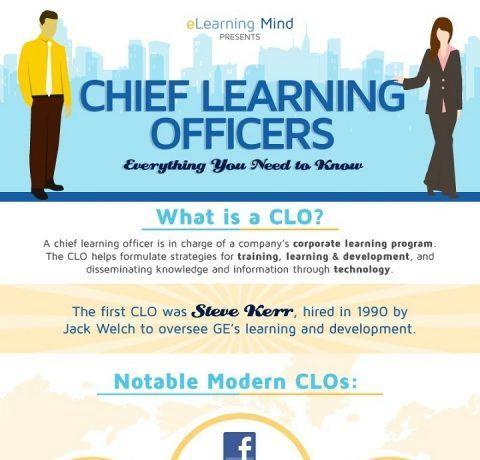
The Chief Learning Officer (CLO) is a senior executive responsible for developing, implementing, and overseeing learning strategies across an educational institution.As educational organizations increasingly embrace technology and digital transformation, the CLO ensures that learning experiences remain engaging, effective, and future-ready. In essence, the CLO acts as both a visionary and a strategist, bridging the gap between pedagogy, technology, and organizational goals.
Key Responsibilities of a Chief Learning Officer in Education Technology
The role of a CLO in universities,colleges,or schools is diverse and influential. Here are the main duties and expectations:
- Strategic Leadership: Design and drive the overall learning and growth strategy aligned with institutional goals.
- EdTech Integration: Evaluate and implement the latest education technologies, including e-learning platforms, AI-based assessment tools, and digital classrooms.
- Curriculum Development: Collaborate with faculty and academic leaders to innovate curricula, ensuring they leverage modern learning methods and tools.
- Data-Driven Insights: Use analytics to assess learning outcomes, monitor student engagement, and measure ROI on educational initiatives.
- Change Management: Lead cultural and procedural changes as institutions transition to new learning models or technologies.
- faculty and Staff Development: Create professional development programs to upskill educators and administrative teams in the use of EdTech.
- Quality Assurance: Establish standards and metrics for learning effectiveness, accreditation, and compliance.
- Budget Management: Oversee budgets related to learning platforms, training programs, and EdTech adoption projects.
- Advocacy and Dialog: promote a culture of continuous learning, championing the benefits of digital transformation to stakeholders.
- Vendor & Partnership Management: Negotiate with external EdTech vendors and foster partnerships to enhance learning offerings.
Essential Skills and Qualifications for a Chief Learning Officer
To succeed as a CLO in the education technology sector, candidates need a blend of educational expertise, technological savvy, and strong leadership acumen.Key skills and qualifications include:
- Educational Background: A master’s or doctoral degree in education, instructional design, learning technology, or a related field is often required.
- Educational Technology Proficiency: In-depth understanding of e-learning platforms, learning management systems (LMS), and emerging EdTech solutions.
- Strategic Vision: ability to formulate and communicate a compelling long-term learning strategy.
- Leadership & Collaboration: Proven ability to lead cross-functional teams, foster collaboration among faculty, IT staff, and administrators.
- Data & Analytics: Skilled in interpreting data to inform instructional improvements and showcase measurable outcomes.
- Project Management: Experienced in managing large-scale projects, budgets, and timelines within an educational context.
- Communication: Outstanding written and verbal communication skills to engage diverse stakeholders.
- Innovation Mindset: A forward-thinking approach to integrating cutting-edge technologies and methodologies.
Typical Career Path to Becoming a Chief Learning officer
The journey to a CLO role in education technology is both rewarding and challenging. Below is an overview of the typical steps aspiring clos might take:
- Start with a Strong Educational Background: Most CLOs begin their careers as educators, instructional designers, or education technology specialists.
- Advance Through Leadership Roles: Gaining experience as a curriculum coordinator, department head, or director of e-learning on the way up the administrative ladder.
- Build EdTech Expertise: Gain hands-on experience managing learning platforms, piloting technology-driven programs, or leading faculty training.
- Pursue Advanced Credentials: Many clos obtain advanced degrees such as a PhD in Educational Leadership or certifications in instructional technology.
- Develop Strategic and Business Acumen: Experience in budget management, project execution, and strategic planning is crucial.
- Secure Senior Leadership Roles: Stepping into positions such as Director of Learning and Development,Dean of instructional Innovation,or EdTech Program Manager before reaching the CLO level.
Career Path Example:
- Classroom Teacher or IT Integrator
- Instructional Designer or E-Learning Coordinator
- Director of Educational Technology
- dean or Associate Dean of Curriculum and Instruction
- Chief Learning Officer (CLO)
Benefits of Working as a Chief Learning Officer in Education
Holding a CLO position in an educational institution is both professionally and personally rewarding. Here are some key benefits:
- High Impact: Play a pivotal role in shaping the academic future of learners and the institution’s digital transformation journey.
- Competitive Compensation: CLOs at leading universities and colleges command attractive salaries and benefits packages.
- Influence and Recognition: CLOs are key decision-makers and thought leaders influencing the direction of the institution.
- Continuous Learning: stay at the forefront of emerging trends, technologies, and pedagogical approaches.
- Job security: As digital learning becomes central, demand for experienced EdTech leaders continues to rise.
- Opportunities for Innovation: drive creative solutions and pilot new learning models that reach diverse student populations.
Challenges Facing Chief Learning Officers
While the CLO role is highly rewarding, it comes with its own set of challenges:
- Keeping Pace with Rapid Change: EdTech evolves quickly, requiring CLOs to continuously update their knowledge and respond to new trends.
- Balancing Stakeholder Needs: Navigating differing priorities among faculty, students, administrators, and external partners.
- Budget Constraints: Implementing large-scale learning initiatives within limited financial resources.
- Ensuring equity and Access: Addressing digital divides and ensuring inclusivity in technology-driven learning environments.
- Measuring Impact: Demonstrating clear, data-backed outcomes from learning initiatives can be complex.
Practical Tips for Aspiring Chief Learning Officers
If you’re interested in becoming a CLO in education technology, consider these actionable tips:
- Embrace Lifelong Learning: Keep abreast of new EdTech developments through courses, webinars, and professional communities.
- Network with Industry Leaders: Attend educational conferences and connect with current CLOs to learn from their experiences.
- Develop a Portfolio of Success: Lead projects that showcase your ability to improve learning outcomes using technology.
- Gain cross-functional Experience: Collaborate with IT, curriculum, and administrative teams to broaden your skillset.
- Polish Your Communication Skills: practice presenting complex ideas to both technical and non-technical audiences.
- Pursue professional Certification: Certifications like Certified Professional in Learning and Performance (CPLP) or equivalent can enhance your credentials.
- Seek Mentoring: Find a mentor in senior educational leadership to guide your career progression.
- Be Adaptable: Versatility is key; be prepared to shift strategies and embrace new technologies as they emerge.
Conclusion
The role of a Chief Learning Officer (CLO) in universities, colleges, and schools is central to educational innovation and digital transformation. CLOs are visionary leaders responsible for shaping learning strategy, driving the integration of technology, and ensuring exceptional educational experiences for faculty, staff, and students. If you’re seeking to make a difference in education technology leadership,the CLO career path offers abundant opportunities for growth and impact. By developing expertise in pedagogy, EdTech, and strategic management, you can position yourself as a leading candidate for this influential role in the world of education.