
What Does a Courseware Developer Do? Roles,Skills,and Career Path Explained
are you passionate about education technology and considering a job as a Courseware Developer at a university,college,or school? With the rapid growth of digital learning platforms,the demand for highly skilled courseware developers is surging. These professionals play a vital role in creating high-quality online and blended course materials, making learning engaging, accessible, and effective for students everywhere.If your interested in an innovative career at the intersection of education and technology, this guide will help you understand what a courseware developer does, the key skills required, career paths to consider, and valuable tips for breaking into this rewarding field.
What Is a Courseware Developer?
A Courseware Developer—sometimes known as an eLearning Developer, Instructional Designer, or Digital Curriculum Specialist—is a professional responsible for designing, developing, and optimizing educational content for digital platforms. Thay work closely with subject matter experts (SMEs), instructors, and education technology teams to transform traditional course materials into interactive online modules, video lectures, simulations, assessments, and more. Their goal is to deliver content that enhances student engagement, supports diverse learning styles, and leverages the latest in digital pedagogy.
Core Roles and Responsibilities of a Courseware Developer
Courseware Developers are an essential part of any education technology department at universities, colleges, or even K-12 schools. Here are the key responsibilities typical for this role:
- Instructional Design: Creating the structural plan for courses based on learning objectives,target audience,and assessment criteria.
- Content Development: writng, editing, and compiling course content such as lectures, quizzes, assignments, and multimedia resources.
- Technology Integration: selecting and using learning management systems (LMS) and authoring tools like Moodle, Canvas, Blackboard, Storyline, and Captivate.
- Collaborating with Subject Experts: Partnering with professors,teachers,and industry experts to ensure content accuracy and relevance.
- Assessment Creation: Designing effective assessments, including formative and summative quizzes, assignments, and interactive activities to measure student progress.
- User experience Design: Ensuring the digital courseware is intuitive, accessible, and engaging for all learners.
- Quality Assurance and Testing: Reviewing courseware to identify and fix errors,ensure optimal functionality,and maintain accessibility standards (such as ADA/Section 508 compliance).
- Updating and Revising Content: Updating courses based on feedback, analytics, and new developments in the field.
- faculty and Instructor Support: Training and assisting instructors with new technologies and courseware features.
Essential Skills for Successful Courseware Developers
To thrive as a courseware developer in education technology, you’ll need a well-rounded set of skills blending education, technology, and creativity:
Technical Skills
- Learning Management Systems (LMS): Familiarity with platforms like Canvas, Blackboard, Moodle, or D2L.
- eLearning Authoring Tools: Proficiency in Articulate Storyline, Adobe Captivate, or similar eLearning software.
- Multimedia Production: Ability to create and edit audio, video, and graphics using tools like Adobe Creative Cloud, Camtasia, or other multimedia suites.
- Web and Digital Literacy: Basic understanding of HTML, CSS, and user interface (UI) principles; experience with interactive tools and media.
Pedagogical and Content Skills
- Instructional Design Principles: Knowledge of ADDIE, SAM, or other curriculum development methodologies.
- Assessment Design: Creating valid and reliable evaluations in alignment with learning objectives.
- Accessibility (ADA/Section 508): Designing inclusive content that meets accessibility standards for all students.
Interpersonal and Project Skills
- Dialog: Clear and professional written and verbal communication for collaboration with instructors and stakeholders.
- Project Management: Organizing timelines, managing tasks, and prioritizing projects using tools like Trello, Asana, or Microsoft Project.
- Problem-Solving: Addressing content,technical,and pedagogical challenges as they arise.
- Adaptability: Staying current with evolving technologies, learning trends, and institutional requirements.
Career Path and Growth Opportunities for Courseware Developers
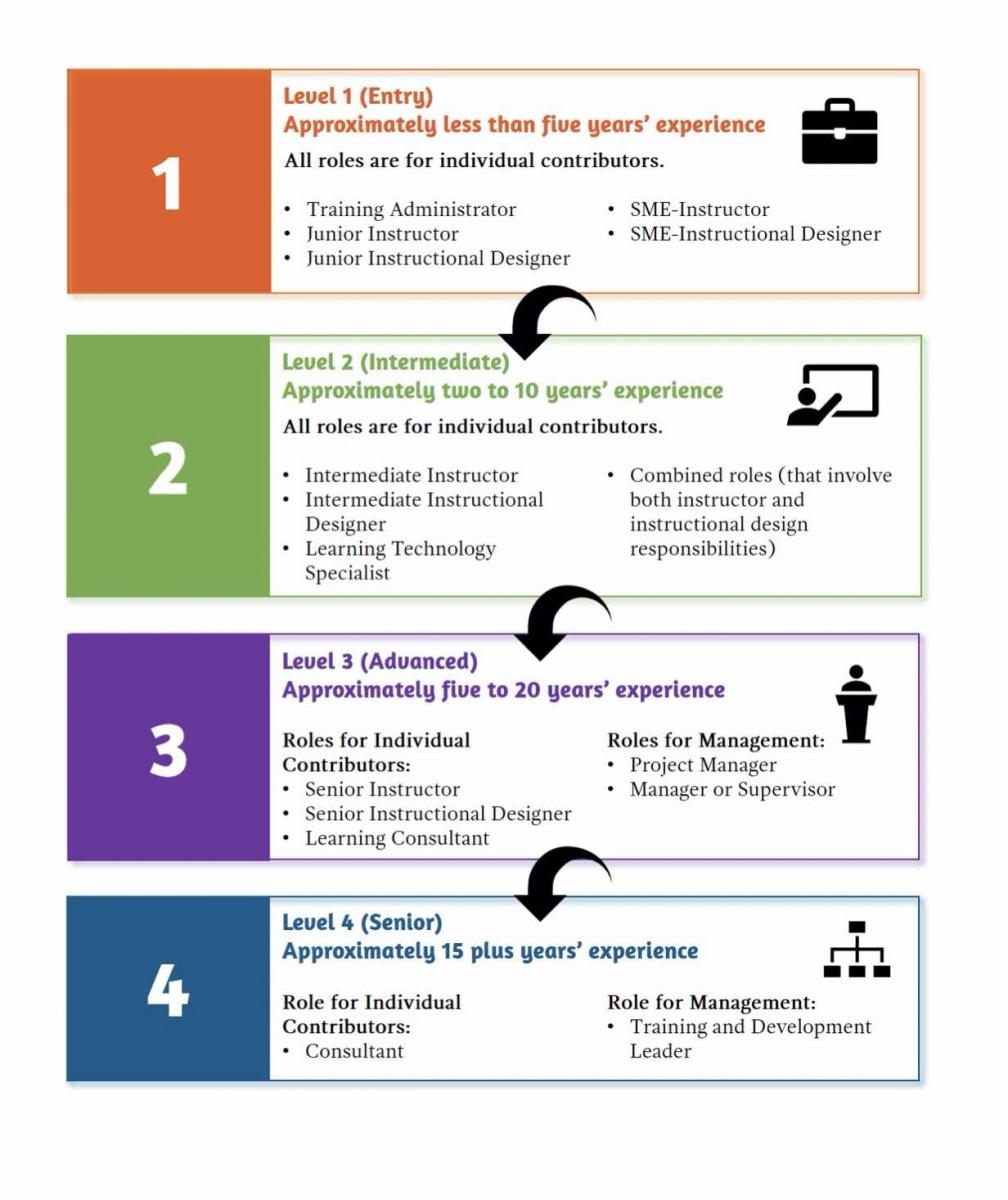
A career in courseware development offers plenty of opportunities to learn,grow,and diversify your expertise. Here’s what a typical career path might look like:
- Entry Level: Junior Courseware developer,eLearning Assistant,or Content Developer – responsible for assisting in course creation,simple content edits,and supporting senior developers.
- Mid-Level: Courseware Developer, Instructional Designer, or Learning technology Specialist – leading projects, collaborating directly with faculty, and designing full online or blended courses.
- Senior Level: Senior Instructional designer, eLearning Project Manager, or Curriculum Development Lead – overseeing courseware teams, setting strategy, driving innovation, and managing large curriculum initiatives.
- Specialist Tracks: Subject matter expert roles (STEM, humanities, business), Accessibility Specialist, Assessment Designer, or Multimedia specialist.
- Leadership roles: Director of Instructional Technology, Dean of Online Learning, or Chief Learning Officer – strategic leadership for online and blended learning initiatives at large institutions.
With experience, courseware developers can also move laterally into related fields such as educational technology consulting, academic technology training, or even freelance courseware development for private companies or educational publishers.
Benefits of Being a Courseware Developer in the Education Sector
Why consider a role in courseware development? The field offers numerous benefits:
- Job Stability: As digital education continues to expand, demand is rising for experienced courseware developers at nearly every level of education.
- Impactful Work: You directly influence how students learn, making a tangible difference in educational quality and accessibility.
- Continuous Learning: Work with new technologies, educational models, and diverse subject matter that challenge and grow your skills.
- Collaborative Surroundings: Work with academic experts, tech professionals, and creative teams in a dynamic, engaging environment.
- Flexible Work arrangements: Many institutions offer hybrid or remote roles, making it easier to balance work and life.
How to Become a Courseware Developer: Practical Tips for Job Seekers
If you’re eager to land a courseware developer job at a university, college, or school, here are some actionable steps to boost your chances:
- Gain Relevant Education: Most positions require a bachelor’s degree in education, instructional design, educational technology, or a related field. Advanced roles may benefit from a master’s degree in instructional design or educational technology.
- Develop a Portfolio: Showcase your work with sample eLearning modules, instructional videos, or courseware projects. A strong digital portfolio demonstrates your ability and creativity to employers.
- Master Key Tools and Technologies: Gain hands-on experience with popular LMS platforms (such as Canvas,Moodle) and authoring tools (like Articulate Storyline,Adobe Captivate).
- get Certified (Optional): Consider industry certifications to stand out, such as the Certified Professional in Learning and Performance (CPLP) or certifications in specific LMS or authoring platforms.
- Network within Education Technology Circles: Attend conferences, webinars, and networking events to connect with professionals and stay updated on emerging trends.
- Stay Updated on Education Technology Trends: Follow industry news, research studies, and technology updates to keep your knowledge fresh and your skills sharp.
- Polish soft Skills: Work on communication, collaboration, and project management skills—key assets for any courseware developer navigating complex academic environments.
Conclusion: Is a Courseware Developer Role Right for You?
A career as a Courseware Developer in education technology offers a unique possibility to blend creativity, technology, and pedagogy for meaningful impact in higher education and schools. Whether you enjoy building innovative learning experiences, collaborating with academic experts, or staying on the cutting edge of digital education, this role could be the perfect fit.
By developing the right mix of technical, educational, and interpersonal skills, and by gaining experience through hands-on projects, you can become a sought-after professional in this expanding field. If you’re ready to help shape the future of education,consider exploring the dynamic and rewarding world of courseware development.