
What Does a Curriculum Designer Do? Key Skills, Roles, and Career Path Explained
If you’re passionate about educational innovation and considering a dynamic role in education technology at a university, college, or school, you might have wondered: what does a curriculum designer do? As education continues to evolve, curriculum designers are at the heart of shaping effective learning experiences that inspire students and support educators. This comprehensive guide will explore the core responsibilities, essential skills, potential career paths, and benefits of pursuing a career as a curriculum designer in today’s academic landscape.
Introduction to the Role of a Curriculum Designer
A curriculum designer, sometimes referred to as an instructional coordinator or curriculum developer, plays a critical role in shaping the educational framework and learning materials used by students and teachers. In the rapidly expanding field of education technology (edtech), curriculum designers work to unite pedagogical best practices wiht innovative technology solutions, ensuring that learning remains relevant, engaging, and accessible.
Key Responsibilities of a Curriculum Designer
Curriculum designers are responsible for much more than just developing lesson plans. Their day-to-day tasks typically include:
- Needs Assessment: Collaborating with educators, administrators, and stakeholders to determine educational needs and goals.
- Research and Analysis: Studying current standards, trends, and best practices in education and technology.
- Curriculum Progress: designing, organizing, and revising learning materials and resources aligned with educational standards and institutional goals.
- Instructional Design: integrating instructional strategies and digital tools to create interactive and effective learning experiences.
- Evaluation and Feedback: Monitoring the effectiveness of curricula through assessments, data analysis, and feedback from users, and making necessary adjustments.
- Teacher Training: Delivering professional development programs to help faculty implement new curricula and technologies successfully.
- Compliance and Accreditation: Ensuring that all materials meet regulatory requirements and support accreditation standards.
Daily Activities of a Curriculum Designer
On a typical day, a curriculum designer in a university or school might:
- Meet with professors or teachers to discuss course or program goals
- Review student performance data to identify areas for advancement
- Develop lesson plans or digital resources using learning management systems
- Test new educational software or apps for classroom use
- Gather input from students and instructors about newly piloted lessons or modules
- Stay updated on the latest trends in instructional technology and pedagogy
Key Skills and Competencies for Curriculum Designers
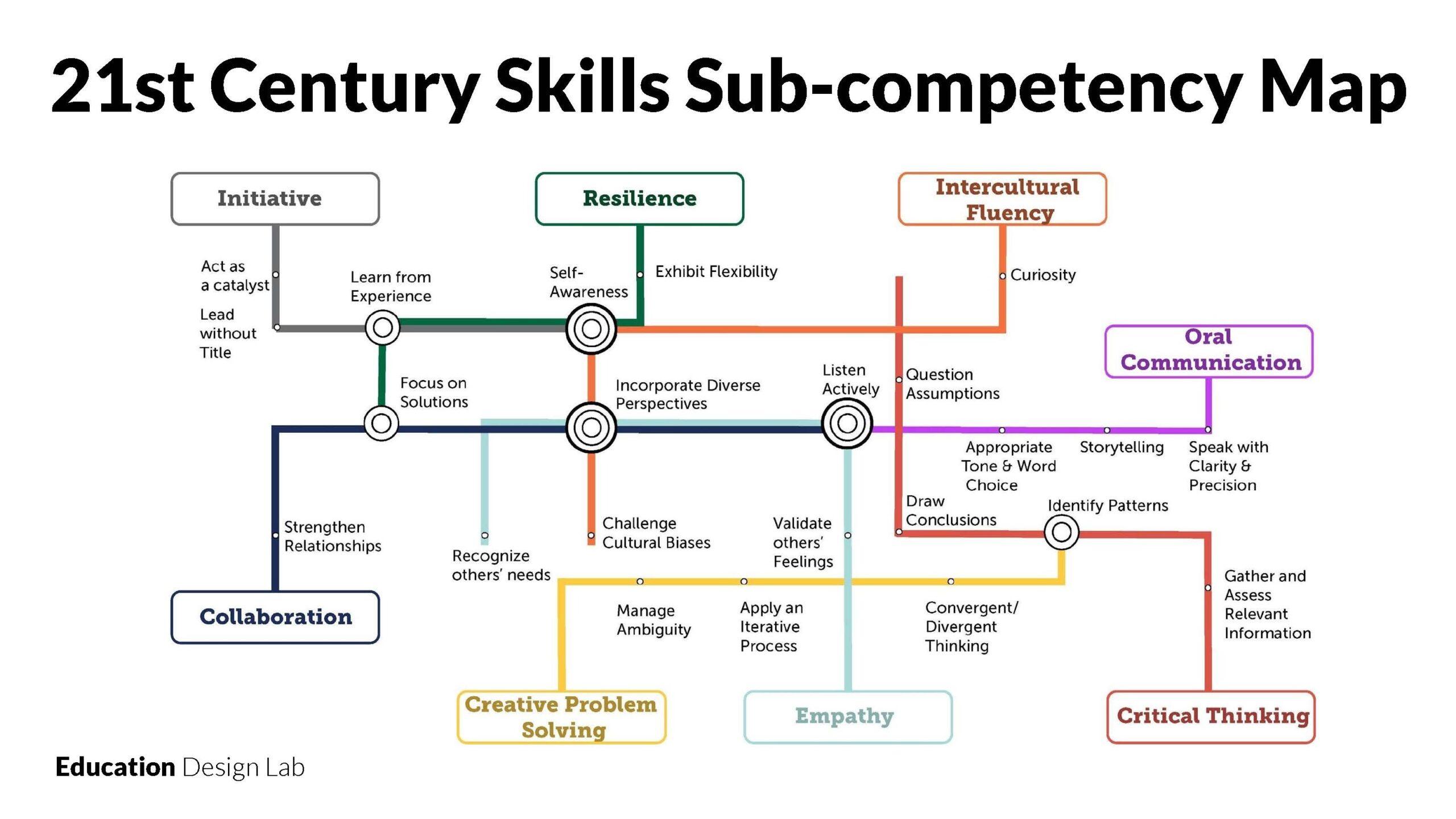
Curriculum design is a multidisciplinary field requiring a blend of pedagogical insight, technological aptitude, and dialog prowess. The most sought-after skills for curriculum designers include:
- Curriculum Development Expertise: Deep understanding of instructional frameworks and academic standards (such as Common Core, NGSS, or university-specific guidelines).
- Instructional Technology Knowledge: Proficiency with learning management systems (LMS), educational apps, e-learning platforms, and emerging technologies.
- Assessment Design: Ability to create formative and summative assessments, rubrics, and evaluation tools.
- Research and Analytical Skills: Competence with data analysis and experience-driven decision making to refine curricula.
- Creativity and Innovation: Inventiveness in designing engaging, student-centered learning activities.
- Project Management: Skill in organizing multiple projects, setting deadlines, and collaborating with diverse teams.
- Communication: Clarity in presenting ideas, writing instructional materials, and leading training sessions.
- Adaptability: Willingness to embrace new technologies and approaches as educational needs evolve.
Technical Skills
- Familiarity with e-learning authoring tools (such as Articulate Storyline, Captivate)
- Knowledge of LMS platforms (such as Blackboard, canvas, Moodle)
- Experience with multimedia creation and editing
- Basic coding or data visualization skills (an advantage, but not always required)
Benefits of Being a Curriculum Designer in Education Technology
The role of a curriculum designer offers numerous professional and personal benefits for those seeking education technology jobs:
- Making a real Impact: Directly contribute to better learning outcomes for thousands of students.
- Continuous Learning: Stay at the forefront of emerging educational trends and technologies.
- Creative Fulfillment: Use innovation and creativity to solve complex educational challenges.
- Collaboration: Work with passionate educators, technologists, and administrators.
- Career Growth: Opportunities to specialize in areas like digital curriculum, assessment, or higher education policy.
- Flexible Work Surroundings: Many curriculum design roles offer hybrid or remote work options, depending on the institution.
Typical career path for Curriculum Designers
A career as a curriculum designer can begin in several ways,but typically follows these stages:
- Education: most curriculum designers hold at least a bachelor’s degree in education,instructional design,curriculum & instruction,or a related field. Some roles, especially in higher education or specialist areas, prefer a master’s degree.
- Classroom Experience: Many curriculum designers start as teachers, gaining invaluable classroom insight before transitioning to design roles.
- Professional Development: Obtaining certifications in instructional design, educational technology, or project management can provide a competitive edge.
- Entry-Level Roles: Positions such as instructional designer, assistant curriculum developer, or educational technology specialist are common entry points.
- Mid- to senior-Level Positions: With experience, professionals can advance to roles like lead curriculum designer, academic program manager, or director of curriculum and instruction.
- Specialist Paths: Career specialization may include e-learning development, assessment design, or consultancy within edtech companies or academic publishers.
Industries and Settings Employing Curriculum Designers
- Higher Education Institutions: Universities and colleges seeking innovative online and blended programs.
- K-12 Schools and Districts: Schools aiming to integrate modern teaching methods and digital curriculum.
- EdTech Companies: Organizations developing educational software or digital content solutions.
- corporate Training: Businesses developing in-house learning modules and employee training programs.
Practical Tips for Aspiring Curriculum Designers
If you’re eager to land a job in education technology as a curriculum designer, consider these practical tips:
- Build a Portfolio: Document and showcase sample lesson plans, assessment tools, or curriculum projects you’ve designed, ideally including digital or blended elements.
- Stay Tech-Savvy: Keep up-to-date with popular learning management systems, instructional design tools, and the latest edtech innovations.
- Network: Join professional organizations (like the Association for Educational Communications and Technology) and attend edtech events or webinars.
- Pursue Continuous Learning: Take online courses in instructional design, e-learning development, or data-driven decision making.
- Volunteer or Freelance: Gain experience by volunteering to create curriculum for nonprofits or offering freelance curriculum development services.
- Seek Feedback: Regularly ask for input from colleagues and educators to improve your designs and grow your skills.
Conclusion: Is Curriculum Design the Right EdTech Job for You?
Curriculum design offers a unique blend of teaching passion, technology innovation, and creative problem-solving. As education technology jobs continue to expand across universities, colleges, and schools, the need for skilled curriculum designers is higher than ever.Weather you’re transitioning from teaching, have a background in instructional design, or are looking for a purposeful and adaptable career, becoming a curriculum designer opens the door to meaningful impact and long-term growth. Embrace the challenge, invest in your skills, and join the forward-thinking world of modern education technology.