
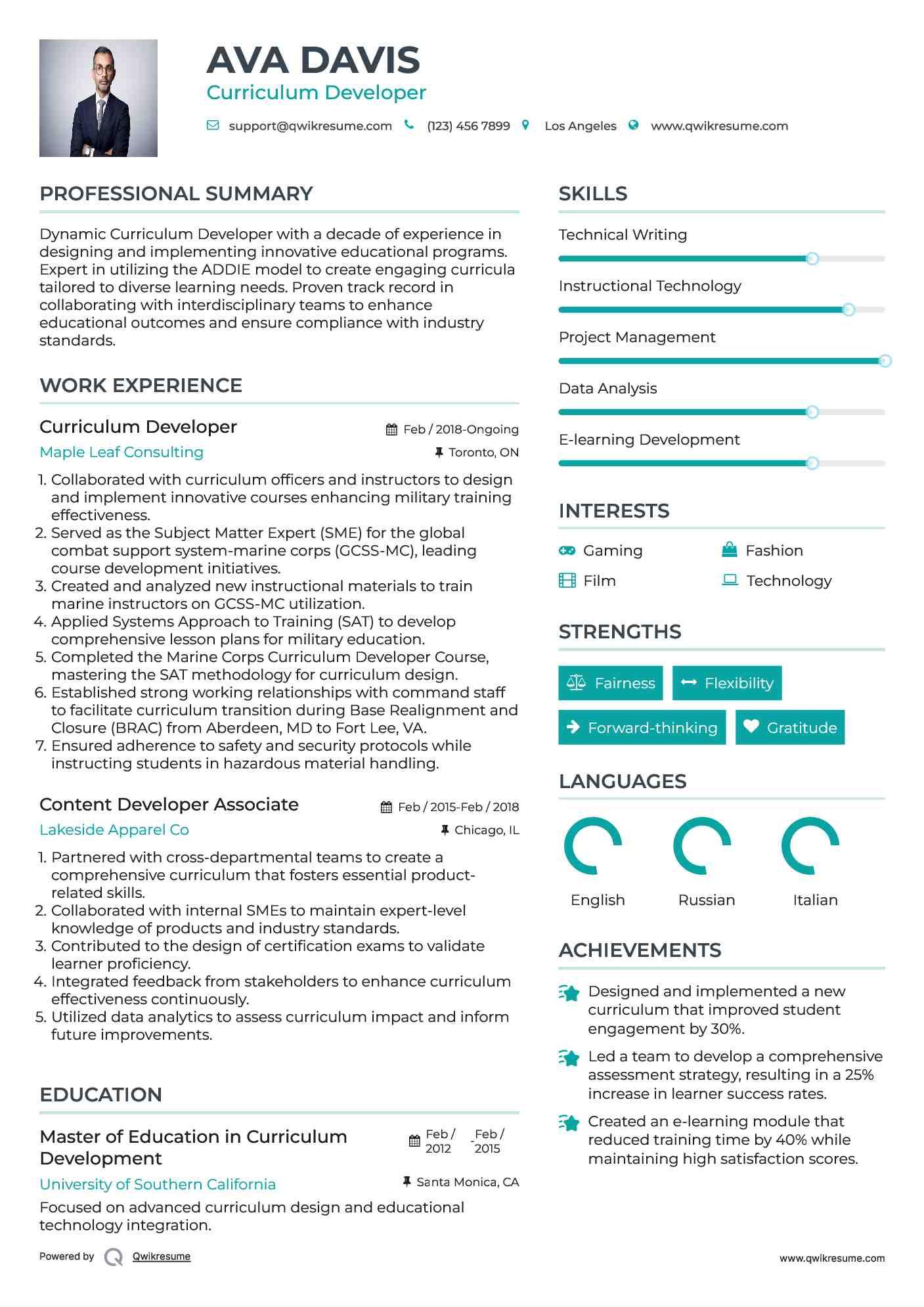
What Does a Curriculum Developer Do? Key Responsibilities, Skills, and Career Path
Are you considering a role in education technology at a university, college, or school? Becoming a curriculum developer could be the perfect path for those passionate about shaping learning experiences. With the rising demand for innovative educational solutions, curriculum developers are more crucial than ever in helping institutions deliver high-quality, engaging, and effective learning.In this thorough guide, we’ll explore what a curriculum developer does, key job responsibilities, essential skills, career advancement opportunities, practical tips, and the benefits of pursuing this rewarding profession.
Understanding the Role: Who Is a Curriculum Developer?
A curriculum developer is a specialist who designs,reviews,and improves educational programs and learning materials for universities,colleges,and schools. Their main goal is to create curricula that meet institutional standards, incorporate best pedagogical practices, and address the needs of diverse learners. As education technology continues to reshape the academic landscape, curriculum developers are integrating digital tools, adaptive learning techniques, and innovative teaching strategies to ensure programs remain relevant and impactful.
Key Responsibilities of a Curriculum Developer
Curriculum developers are responsible for a wide array of tasks that ensure students receive effective and engaging instruction. Here are the core duties typically included in a curriculum developer job description:
- Curriculum Design and progress: Creating course outlines, lesson plans, and assessment materials tailored to educational goals and standards.
- Integrating Educational Technology: Selecting and leveraging digital platforms, e-learning resources, and interactive media to enrich learning experiences.
- Research and Needs Analysis: Conducting needs assessments to identify gaps in current curricula and align new programs with institutional and industry demands.
- Collaboration: Working with subject matter experts, faculty, teachers, and administrators to gather insights and feedback.
- Evaluation and Revision: Reviewing existing curricula, analyzing student performance data, and updating materials to reflect evolving standards and technologies.
- Training and Support: Providing professional development for instructors on new curricula, teaching methods, and technology integration.
- Compliance and accreditation: Ensuring program content aligns with accreditation requirements, government policies, and educational best practices.
Each duty underscores the curriculum developer’s pivotal role in shaping triumphant academic experiences.
Essential Skills for Curriculum Developers
To excel as a curriculum developer in education technology settings, candidates should possess a robust mix of technical expertise, pedagogical understanding, and interpersonal abilities. Key skills include:
- Instructional Design: Deep knowledge of course development methodologies and learning theories (such as Bloom’s taxonomy,Universal Design for Learning).
- EdTech Proficiency: Familiarity with learning management systems (LMS), e-learning authoring tools (Articulate, Adobe Captivate), and digital assessment platforms.
- Analytical Thinking: Capacity to assess student data, evaluate educational outcomes, and identify areas for advancement.
- Communication and Collaboration: Excellent written and verbal communication skills, with the ability to work effectively with educators, administrators, and technical staff.
- Project Management: Planning, executing, and managing multiple curriculum projects while meeting deadlines and budget requirements.
- Adaptability: Staying current with the latest trends in education technology and adapting materials for remote, hybrid, or in-person learning.
- Attention to Detail: ensuring curricula are accurate, comprehensive, and consistent with institutional guidelines.
Career Path and Progression for Curriculum Developers
The curriculum developer role offers exciting career growth opportunities across the education sector. Here’s a typical progression:
- Entry-Level Positions: Starting as curriculum assistants or instructional designers, focusing on supporting curriculum projects.
- Curriculum Developer: Leading curriculum design initiatives, collaborating with faculty, and integrating educational technology.
- Senior Curriculum Specialist: managing large-scale projects,mentoring junior staff,and overseeing compliance.
- Director of Curriculum and Instruction: shaping institutional curriculum strategies, budgeting, and setting long-term educational goals.
- Consultant or Education technology Entrepreneur: Advising institutions, developing proprietary edtech products, or launching curriculum consulting businesses.
Progression is frequently enough supported by advanced degrees (such as a Master’s in Curriculum and Instruction or Educational Technology) and professional certifications (e.g., ISTE Certified Educator, ATD Credential).
Benefits of Working as a Curriculum Developer
Pursuing a job as a curriculum developer in education technology settings offers a range of personal and professional advantages:
- Meaningful Impact: Directly influencing student learning outcomes and educational standards across institutions.
- Innovation Opportunities: Working at the forefront of education technology and pedagogical advancements.
- Collaborative Surroundings: Engaging with diverse teams, including academics, technologists, and policymakers.
- Career Mobility: Access to positions in K-12, higher education, corporate learning, and edtech firms.
- Continuous Learning: Opportunities for ongoing professional development and skills enhancement.
- Job Stability and Growth Potential: High demand for skilled curriculum developers as institutions expand digital programs and remote learning options.
Practical Tips for Aspiring Curriculum developers
If you’re interested in becoming a curriculum developer at a university, college, or school, consider these practical strategies to strengthen yoru candidacy and excel in the role:
- Gain Relevant Education: pursue a degree in education, instructional design, or educational technology. Specialized coursework or certifications boost credibility.
- Build a Strong Portfolio: Compile sample lesson plans, assessment tools, and e-learning modules you’ve created.
- Stay Current with EdTech Trends: Attend webinars, conferences, or online courses to learn about the latest tools and methodologies.
- Network Strategically: Connect with professionals in instructional design, curriculum development, and academic administration through professional organizations and events.
- Seek Internships or Entry Roles: Apply for internships, assistantships, or freelance curriculum design projects to gain experience.
- Highlight Soft skills: Showcase your communication, teamwork, and adaptability in resumes and interviews.
Attributes Successful Curriculum Developers Share
- Creativity: Ability to innovate and design engaging learning experiences.
- Empathy: Understanding student challenges and diverse learning needs.
- Resilience: Navigating changing technologies, curricula, and institutional objectives.
Conclusion: is Curriculum Development Your Next Career Move?
The role of a curriculum developer in education technology is both challenging and highly rewarding. If you are passionate about educational innovation, digital learning, and curriculum design, this career path can provide an chance to leave a lasting impact on students and institutions alike.With strong growth prospects,collaborative workplaces,and the chance to work with cutting-edge technology,curriculum development is a promising field for job seekers who want to make a difference in academic environments.
Start your journey by honing the necessary skills, gaining relevant experience, and connecting with peers in the industry. Whether you aspire to work in universities, colleges, K-12 schools, or edtech companies, your contributions as a curriculum developer will shape the future of learning for generations to come.
Ready to become a curriculum developer? Explore job postings, build your skills, and seize the opportunity to create transformative educational experiences!