
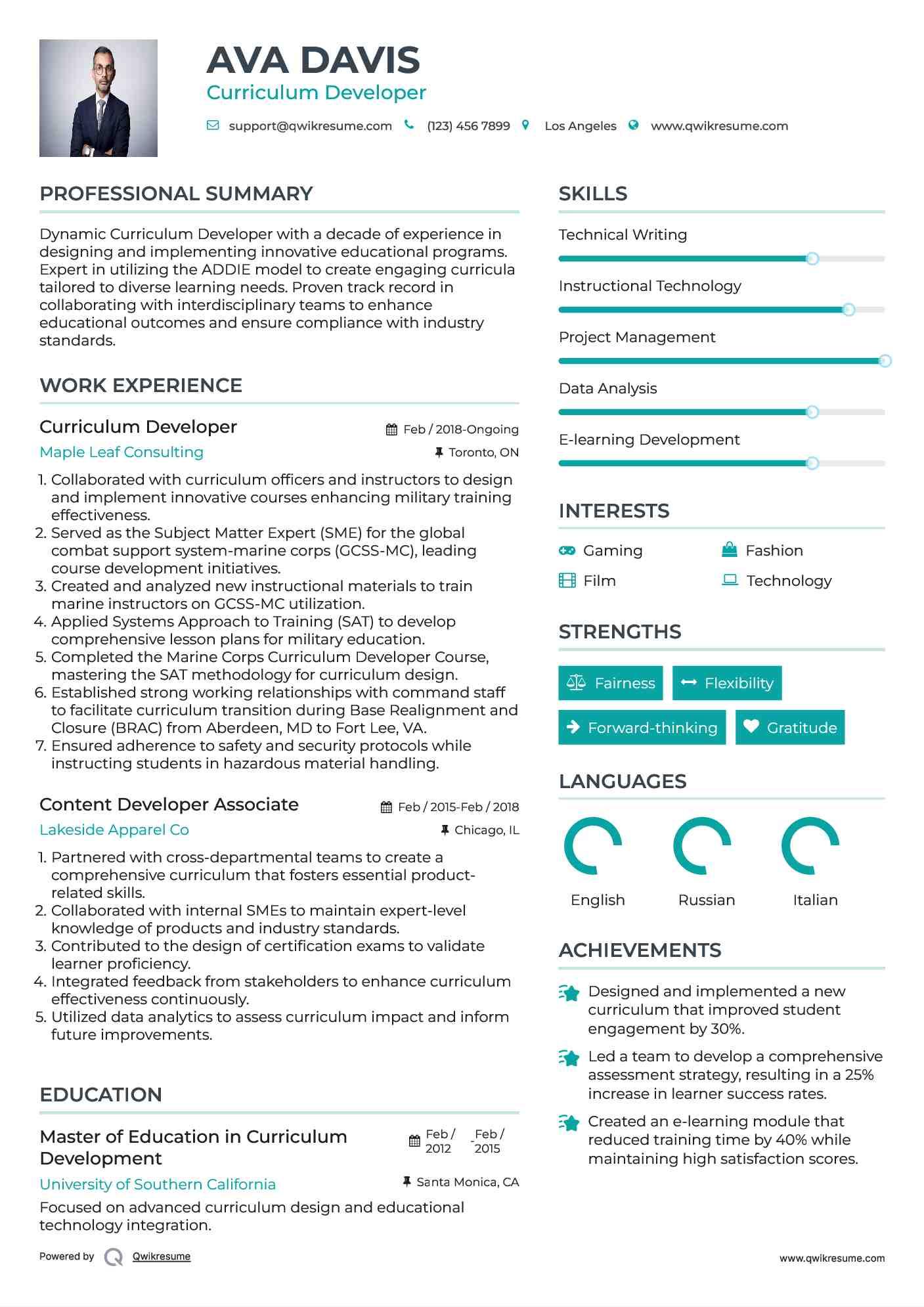
What Does a Curriculum Developer Do? Key Responsibilities, Skills, and Career Path Explained
Are you passionate about shaping educational experiences and want to play a pivotal role in how learning happens in universities, colleges, or schools? If you’re exploring jobs in education technology, understanding the role of a curriculum developer is a great starting point. This in-depth article will guide job seekers through the essential responsibilities,required skills,everyday duties,and career progression routes for curriculum developers working in educational institutions. We’ll also share useful tips and highlight the benefits of this rewarding career path in education technology.
Introduction: The Role of a Curriculum Developer in Education Technology
With the rapid evolution of teaching tools and platforms, the need for skilled professionals who can design effective educational content has never been greater. A curriculum developer is central to this process. From crafting innovative lesson plans to integrating modern digital learning resources, curriculum developers ensure that educational programs are relevant, engaging, and aligned with academic standards.
Whether you’re aiming for a position in a university, college, or school, curriculum development offers diverse opportunities within the field of education technology. Read on to discover what being a curriculum developer involves, what skills you’ll need, and how you can build a triumphant career in this dynamic space.
Key Responsibilities of a Curriculum Developer
Curriculum developers wear many hats in educational institutions. Their main focus is the creation, improvement, and implementation of high-quality learning materials and instructional strategies that meet educational goals. Hear are some of the core responsibilities:
- Research and Analysis: Conduct thorough analyses of current educational trends, student needs, accreditation requirements, and technological advancements.
- Curriculum Design: Develop curricula that blend conventional instruction with digital resources, including e-learning modules and interactive content.
- Standard Alignment: Ensure all curriculum materials meet local, state, or national educational standards and subject guidelines.
- Collaboration with Educators: Work closely with teachers, professors, subject matter experts, and administrators to gather input and feedback.
- Educational Resource Development: Create textbooks, syllabi, lesson plans, teaching guides, assessment instruments, and multimedia resources.
- Assessment Design: Develop methods for measuring student progress and curriculum effectiveness, including formative and summative assessments.
- Professional Development: Organize training sessions for faculty to help them implement new curriculum materials and teaching strategies.
- Continuous Improvement: Monitor classroom outcomes, analyse data, and update curricula based on performance and new educational research.
- Technology Integration: identify and incorporate relevant education technologies, such as learning management systems (LMS), adaptive learning platforms, and educational apps.
Essential skills for Curriculum Developers
Excelling as a curriculum developer in education technology requires a blend of technical expertise, creativity, and interpersonal skills. Here are the most sought-after competencies:
- instructional Design: Mastery of instructional design models (e.g., ADDIE, Bloom’s Taxonomy) and principles for effective curriculum creation.
- Content Development: Ability to research, write, and organize clear educational materials for a variety of learning styles.
- Technology Savvy: Proficiency with education technology tools, such as LMS platforms, digital authoring tools, online assessment systems, and multimedia software.
- Data Analysis: Competence in analyzing student data, assessment results, and educational trends to inform curriculum decisions.
- Project Management: Strong organizational skills for managing multiple projects,meeting deadlines,and collaborating with cross-functional teams.
- Dialog: excellent verbal and written communication skills for presenting ideas, writing curriculum documents, and facilitating training sessions.
- Problem-Solving: Addressing challenges in curriculum implementation, adapting to feedback, and refining instructional strategies.
- Collaboration: Teamwork abilities for working with educators, administrative staff, and external partners effectively.
Technical Skills
- Familiarity with curriculum mapping and alignment software
- experience with e-learning authoring tools (such as Articulate Storyline, Adobe Captivate)
- Basic understanding of HTML, CSS, or other web technologies (optional but advantageous)
- Working knowlege of graphic design and video editing software
Career Path and Advancement Opportunities
Starting as a curriculum developer can open doors to many rewarding roles within education technology. Here’s an overview of typical career progression:
- Entry-Level Positions: Titles such as Curriculum Assistant, Instructional Designer, or Learning Resource Specialist.
- Mid-level Roles: Curriculum Developer, Educational Technologist, Academic Content Specialist.
- Senior and Leadership Roles: Lead Curriculum Developer, Director of Curriculum and Instruction, Chief Learning Officer.
Professionals may also branch into related fields, such as:
- EdTech Product Development
- Education Consulting
- Online Course Design
- Faculty Training and Development
- Assessment and Accreditation Coordination
Benefits of Working as a Curriculum Developer in Education Technology
- Impact on Learning Outcomes: Directly influence students’ educational experiences and academic success by shaping what and how they learn.
- Innovation Opportunities: Stay at the forefront of digital education by implementing new technologies and creative teaching approaches.
- Diverse Work Environment: Collaborate with people from different backgrounds,disciplines,and expertise areas.
- continuous Professional Growth: Regular exposure to new educational research, technology updates, and professional development opportunities.
- Career Mobility: Flexible career paths available within and outside the academic sector.
Practical Tips for Aspiring Curriculum developers
Ready to pursue a curriculum developer job in education technology at universities, colleges, or schools? Here are some actionable tips to start and advance yoru career:
- Enhance Your Education: Obtain degrees in education, instructional design, educational technology, or a similar field. Advanced degrees (e.g., master’s or doctorate) can give you an edge for senior roles.
- Get Relevant Certifications: Consider certified programs in instructional design or EdTech platforms to bolster your credentials.
- Build a Portfolio: Prepare samples of curriculum designs,lesson plans,or digital learning modules to showcase your skills to prospective employers.
- Stay Updated: Regularly engage in professional development and educate yourself about the latest trends in education technology and curriculum design.
- Network with Education Professionals: Attend conferences, join online forums, and connect with other curriculum developers.
- Gain Experience: Internships,volunteering,or contract projects with schools or educational organizations can provide hands-on experience.
- Leverage Education Technology: Familiarize yourself with LMS platforms (e.g., Blackboard, Canvas, Moodle) and emerging instructional technologies.
- Showcase Adaptability: Highlight your ability to respond to feedback and pivot curriculum designs based on changing needs and technologies.
frequently Asked Questions about Curriculum Developer Roles
Do I need teaching experience to become a curriculum developer?
While teaching experience is beneficial and often preferred, many curriculum developer positions value expertise in instructional design, education technology, and content development equally. Demonstrating an understanding of the classroom environment can give you an advantage, but it isn’t strictly mandatory.
What is the average salary for a curriculum developer?
Salaries for curriculum developers vary widely depending on experience, education, institution type, and geographic location. According to recent data, average annual salaries typically range from $50,000 for entry-level positions up to $100,000 or more for experienced or leadership roles in universities and colleges.
Wich education technology skills are most in-demand?
Expertise in instructional design tools, e-learning platforms, curriculum mapping software, and data analytics is highly sought after. Additionally, skills in multimedia production and user experience (UX) design can set candidates apart.
Conclusion: Is Curriculum Development the Right Career for You?
Curriculum developers are vital for driving positive change in educational institutions, leveraging education technology to create dynamic, impactful learning experiences. If you’re passionate about education, technology, and the power of well-crafted instructional materials, a career as a curriculum developer offers abundant opportunities for growth and lasting influence on student success.
By mastering key responsibilities, sharpening essential skills, and staying ahead of EdTech trends, curriculum developers shape the future of learning in universities, colleges, and schools. If this sounds like the perfect fit for you, now’s the time to embark on your journey towards becoming a transformative force in education technology!