
What Does a Curriculum Developer Do? Key skills, Duties, and Career Path Explained
In today’s rapidly evolving education landscape, the role of a curriculum developer is more crucial than ever. Whether you’re seeking a job in education technology at universities, colleges, or schools, understanding what a curriculum developer does can definitely help you position yourself for a rewarding career. In this comprehensive guide, we’ll explain the key responsibilities, essential skills, daily duties, and the career path for curriculum developers, with practical tips and insights to help you succeed.
Introduction: The Importance of Curriculum Growth in Modern Education
Curriculum development is at the heart of effective learning experiences. Curriculum developers design, create, and evaluate educational programs, ensuring that they align with academic standards, industry trends, and the needs of diverse learners. With the integration of technology in education, curriculum development has transformed considerably, emphasizing digital content, online learning tools, and innovative teaching methods.
What is a Curriculum Developer?
A curriculum developer, also known as an instructional coordinator or curriculum designer, is an education professional responsible for shaping the content, structure, and delivery of instructional materials and lesson plans. Curriculum developers work closely with teachers, administrators, and education technologists to create relevant, engaging, and effective learning experiences.
Where Do Curriculum Developers Work?
- Universities
- community colleges
- Primary and secondary schools
- Online learning platforms
- Corporate training departments
Key Duties of a Curriculum Developer
- Research and Analysis: Evaluate current curricula, educational trends, and student performance data to determine needs and opportunities.
- Design and Development: Create new lesson plans, instructional materials, and assessment tools aligned with learning objectives and standards.
- Integration of Technology: Incorporate educational technology, e-learning modules, and interactive content to enhance student engagement and accessibility.
- Collaboration: Work with educators, subject matter experts, and administrators to ensure content relevance and thoroughness.
- Review and Revision: Continuously update and improve curricula based on feedback, new research findings, and evolving standards.
- Training and Support: Provide professional development, workshops, and resources to educators for the effective delivery of curricula.
- Assessment and Evaluation: Develop assessment strategies and evaluate the success of instructional programs.
Essential Skills for Curriculum Developers
Triumphant curriculum developers possess a blend of educational expertise, technical skills, and interpersonal abilities. Hear are some key skills:
- Curriculum Design: ability to craft instructional frameworks and educational materials tailored to diverse learning populations.
- Pedagogical Knowledge: Understanding teaching methods, learning theories, and best practices in education.
- Technology Proficiency: Familiarity with learning management systems (LMS), digital tools, and multimedia content creation.
- Data Analysis: Skills in interpreting educational data and assessment results to inform curriculum improvements.
- Project Management: Capable of managing deadlines, resources, and multiple projects concurrently.
- Dialog: Excellent written and verbal skills for clear interaction with stakeholders and presentation of materials.
- Collaboration and Leadership: Teamwork abilities, mentoring, and supporting educators through training and implementation.
- Adaptability: Openness to new ideas, flexibility in a changing educational surroundings, and readiness for lifelong learning.
Qualifications and Education Requirements
Entry into curriculum development typically requires:
- A bachelor’s degree in education, instructional design, or a related field.
- Many institutions prefer or require a master’s degree in curriculum and instruction, educational technology, or a subject specialization.
- Relevant teaching experience,classroom management skills,and familiarity with curriculum standards.
- Professional certifications in curriculum development or instructional design are beneficial.
Career Path and Advancement Opportunities
Curriculum development offers diverse pathways for professional growth.Early in their careers,curriculum developers may start as teachers,instructional designers,or educational technology specialists. Advancement is possible through specialized roles such as:
- Senior Curriculum Developer: Leads curriculum projects, mentors junior staff, and represents the department in strategic planning.
- Instructional Coordinator: Oversees curriculum implementation,assessment,and educator training at district or institutional level.
- Director of Curriculum and Instruction: Manages curriculum development teams and directs large-scale educational initiatives.
- Consultant: Offers expertise to schools, universities, or corporate clients on curriculum design and technology integration.
Benefits of Being a Curriculum developer
Why pursue a career as a curriculum developer in education technology?
- Impact: directly influences the quality of education and student outcomes at all levels.
- Creativity: Opportunities to innovate with new teaching methods, digital tools, and instructional strategies.
- collaboration: Work in multidisciplinary teams and network with experts across education sectors.
- Professional Growth: Continuous learning, specialized training, and leadership development.
- Work-Life Balance: Flexible scheduling options in many institutions,including remote and part-time opportunities.
- Competitive Salary: Strong earning potential, especially with advanced degrees and experience.
Practical Tips for Aspiring Curriculum Developers
If you’re interested in becoming a curriculum developer at a university, college, or school, consider these practical steps:
- Gain teaching experience: Classroom practice provides insight into what students need and how curricula impact learning.
- Stay updated on educational technology: Follow trends in e-learning, digital content, and interactive teaching tools.
- Build a portfolio: Showcase sample lesson plans, instructional resources, and completed curriculum projects.
- Network with professionals: Join education associations, attend conferences, and connect with curriculum designers and instructional coordinators.
- Pursue further education: Consider advanced degrees or certifications in curriculum development, instructional design, or educational technology.
- Develop data analysis skills: Understand how to measure educational outcomes and use data to refine instructional materials.
- Hone soft skills: Communication, collaboration, and adaptability are just as crucial as technical knowledge.
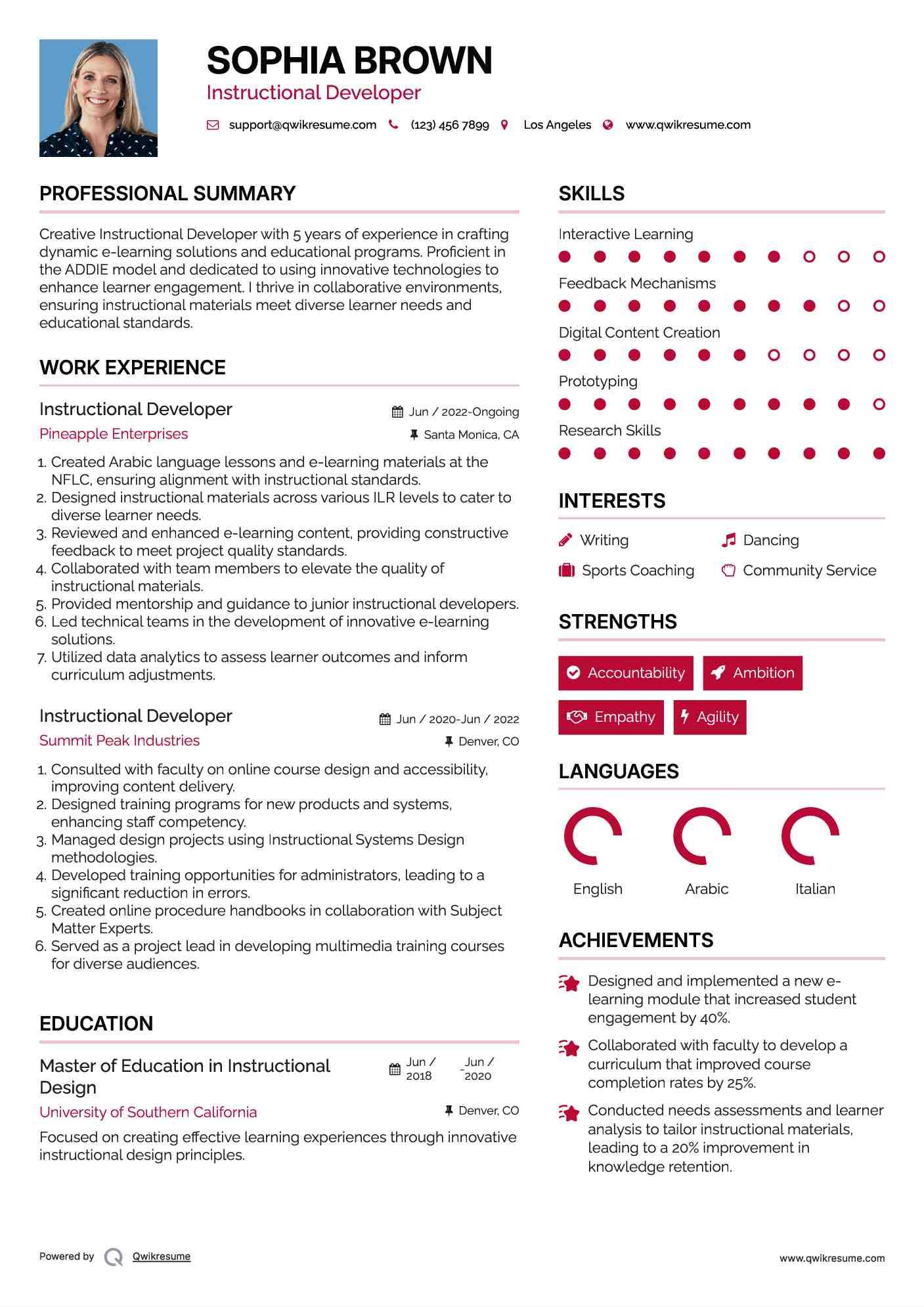
- highlight achievements on your resume: Demonstrate results such as improved test scores, successful curriculum launches, or technology integrations.
Conclusion: Shaping the Future of Education Through Curriculum Development
Curriculum developers play a vital role in transforming educational experiences in universities, colleges, and schools. By blending pedagogical expertise with technology, they create engaging, effective, and future-ready learning environments. If you’re passionate about innovation in education, possess strong communication skills, and are eager to make a meaningful impact, curriculum development offers an exciting and rewarding career path. With solid qualifications, hands-on experience, and a commitment to lifelong learning, aspiring curriculum developers can look forward to a dynamic career at the leading edge of educational technology.
Ready to embark on your journey? Start by building your skillset,expanding your network,and exploring opportunities to become an influential curriculum developer in education technology today.