
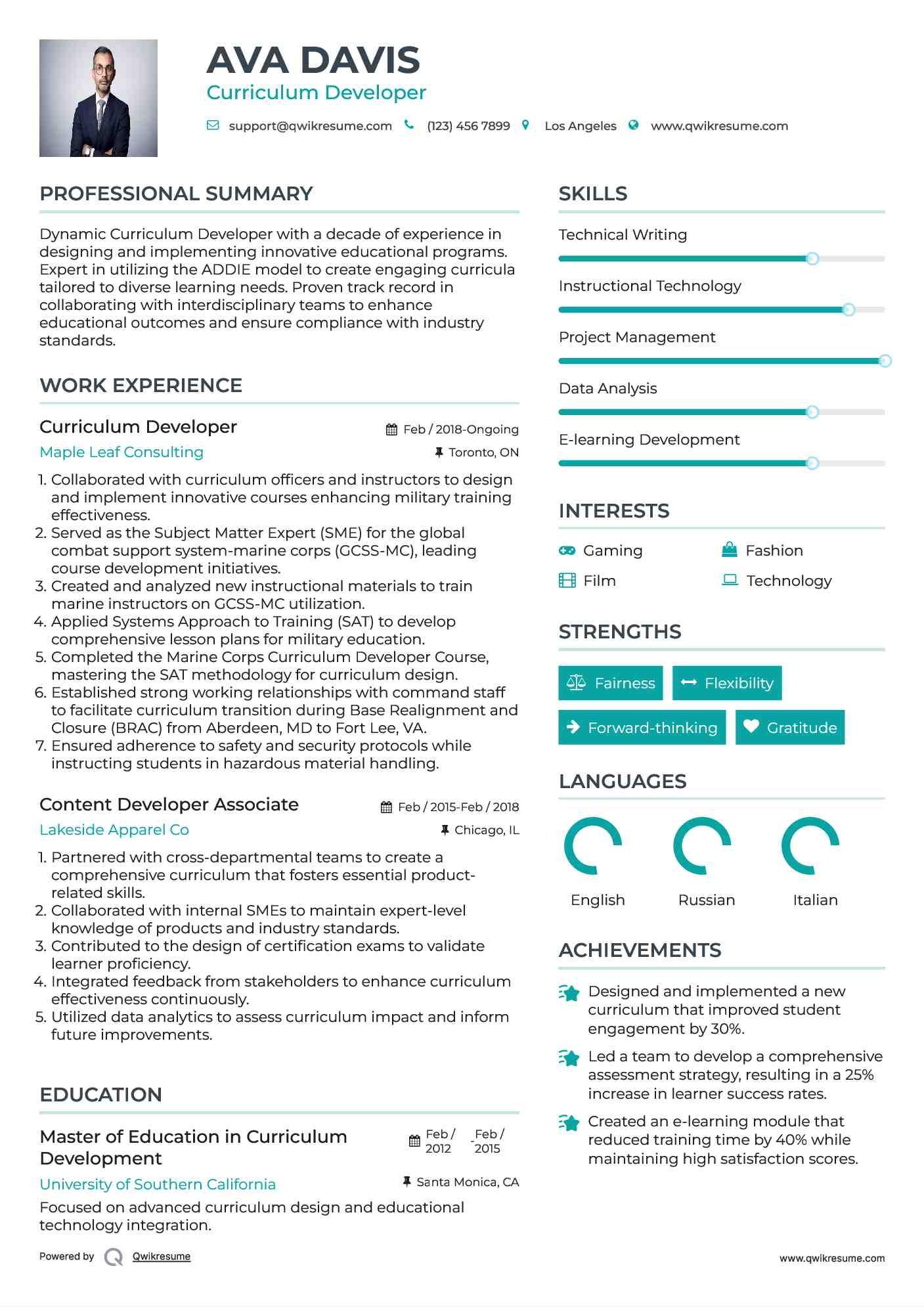
What Does a Curriculum Developer Do? Key Skills, Roles, and Career Guide
Embarking on a career in education technology offers numerous paths, with the role of curriculum developer standing out as both impactful and intellectually rewarding. If you’re considering a position at a university, college, or school, understanding what a curriculum developer does—and the skills and qualifications you’ll need—is essential. This extensive guide will provide everything you need to know about the career, including typical job duties, essential skills, education requirements, and helpful tips to succeed as a curriculum developer in edtech settings.
Introduction to Curriculum Developer Roles in Education Technology
With education rapidly evolving alongside technology, curriculum developers play a pivotal role in shaping both virtual and classroom learning experiences. These experts design, evaluate, and enhance educational programs, often leveraging digital tools and pedagogical research to ensure teaching methods are engaging, current, and effective. Whether you’re dreaming of joining a university innovation team or impacting the curriculum at a local school, the field is rich with opportunity for creative, detail-oriented professionals.
What is a Curriculum Developer?
A curriculum developer—also known as an instructional designer or curriculum specialist—is responsible for creating, revising, and organizing educational content for schools, colleges, or universities. The main goal: to ensure that learning materials meet academic standards, engage students, and align with institutional goals. Curriculum developers collaborate with educators, subject matter experts, and administrators to craft courses, modules, lesson plans, and even digital learning solutions.
Typical Work Environments
- K-12 schools (elementary, middle, and high school)
- Colleges and universities
- Online education platforms
- Educational publishing companies
- Corporate training and professional development teams
Key Roles and Responsibilities of a Curriculum Developer
Curriculum developers wear many hats and frequently enough take on strategic positions within education organizations. here are the core duties you can expect in this role:
- Curriculum Design & Development: Create educational frameworks, course outlines, and instructional materials.
- Content Alignment: Ensure all educational materials align with state, institutional, or national standards.
- Instructional Strategy: employ learning theories and evidence-based practices to improve student outcomes.
- Technology Integration: Design digital resources including online modules, interactive content, and multimedia presentations.
- Assessment Creation: Develop quizzes, exams, benchmarks, and rubrics to assess student performance.
- Collaboration: Work closely with teachers, faculty members, and subject experts during curriculum development and revision.
- Professional Development: Train educators on new curriculum standards, teaching methods, and digital platforms.
- Program Evaluation: Analyze the effectiveness of curricula and adapt programs based on feedback and educational data.
Essential Skills and Qualifications for Curriculum Developers
To succeed in any curriculum developer job—whether at a university,college,or K-12 school—you’ll need a dynamic mix of hard and soft skills. Here’s what employers and hiring managers are typically looking for:
Key Skills
- Educational Knowledge: Deep understanding of pedagogy, instructional strategies, and learning theories.
- Project Management: Ability to manage multiple curriculum projects,meet deadlines,and work within budgets.
- Technology Proficiency: Experience with Learning Management Systems (LMS), eLearning platforms, authoring tools, and digital content creation.
- Research & Analytical Skills: Ability to analyze educational research and data to inform curriculum decisions.
- Creativity & Innovation: Aptitude for designing engaging,interactive,and student-centered learning experiences.
- Communication: Excellent written and verbal communication skills for working with diverse stakeholders.
- Attention to Detail: precise editing, proofreading, and quality assurance abilities.
- Collaboration: Teamwork skills for working cross-functionally with educators and administrative staff.
Educational Requirements
- bachelor’s degree in Education, instructional Design, Curriculum Development, or related field (often required)
- Master’s degree in Education Technology, Curriculum & Instruction, or Educational Leadership (preferred for university and college roles)
- Relevant certifications (e.g., instructional design, eLearning development)
- Teaching experience (frequently required or highly preferred)
Benefits of Becoming a Curriculum Developer
Choosing a curriculum development career offers a wide range of professional and personal benefits. Here’s why this role is so attractive to those interested in edtech education jobs:
- Impact: Make a meaningful difference in how students learn and teachers teach.
- Creative Opportunities: Design innovative digital content, interactive lessons, and hands-on learning activities.
- Professional Growth: Stay at the forefront of education trends, from AI in classrooms to blended learning models.
- Job Versatility: Many roles offer flexible schedules, remote work options, and consulting opportunities.
- Competitive Salaries: Compensation can be attractive, especially for curriculum leaders at universities and colleges.
- Wide Applicability: Skills are transferable to various educational settings, corporate training, and international education organizations.
Practical Tips for Landing a Curriculum Developer Job
Ready to launch your career as a curriculum developer in the education technology sector? Here are some practical tips to help you stand out in your job search:
Build Relevant Experience
- Gain classroom teaching experience to understand learning environments and student needs.
- Volunteer for curriculum committees or digital learning projects.
- Create sample lesson plans, digital modules, and learning activities for your portfolio.
Expand Your Education
- Pursue a master’s degree or certifications in instructional design or technology integration.
- Take workshops on eLearning software, multimedia authoring, and educational research methods.
Highlight key Skills in Your Resume & Portfolio
- Showcase projects demonstrating curriculum design, tech integration, and collaborative work.
- Share measurable results,such as improved student performance or teacher feedback.
- Detail your expertise with LMS platforms, authoring tools, and assessment strategies.
Network in Education Technology Circles
- Attend webinars, conferences, and edtech meetups to connect with industry professionals.
- Join professional groups related to instructional design and curriculum development.
Keep Up with Edtech Trends
- Regularly read current research,blogs,and reports on educational technology in universities,colleges,and schools.
- Experiment with new teaching tools such as AI tutors, VR simulations, or gamification techniques.
Career Growth and advancement for Curriculum Developers
The field of curriculum development is constantly evolving alongside new educational standards and technology. Career advancement is both possible and encouraged, with opportunities including:
- Senior Curriculum Designer: Lead large-scale curriculum projects and mentor junior staff.
- Instructional Coordinator: Oversee district or department curriculum initiatives at schools or higher education institutions.
- Director of Curriculum & Instruction: Manage curriculum teams, set organizational education policies, and align programs with institutional goals.
- Education Consultant: Advise schools, colleges, and universities on curriculum and technology strategies.
Continuous learning, building strong professional networks, and staying up-to-date with the latest in education technology are key to climbing the ladder in this field.
Conclusion: Is Curriculum Development the Right career for you?
If you’re passionate about education, technology, and making a lasting impact on the student experience, a career as a curriculum developer could be your ideal path. This vital role offers an excellent blend of creativity, collaboration, and innovation, allowing you to influence how knowledge is structured and delivered in schools, colleges, and universities.With the right mix of education, skills, and experience — and a drive to keep learning — you’ll be well-positioned to thrive as a curriculum developer in the ever-changing world of education technology.
Ready to start your journey? Take the time to build your expertise, network with education professionals, and stay on top of trends in edtech. A fulfilling career in curriculum development awaits those with curiosity, vision, and dedication to student success.