
What Does a Curriculum Developer Do? Key Skills, Roles & career Insights
Are you passionate about transforming how students learn and interested in leveraging education technology? Curriculum advancement is a rapidly growing field that sits at the heart of educational innovation. If you’re looking to land a job as a curriculum developer at a university, college, or school, understanding the role, responsibilities, and career potential is essential. In this comprehensive guide, you’ll discover what curriculum developers do, the key skills required, and insights to help you navigate this rewarding career path in education technology.
What is a Curriculum Developer?
A curriculum developer, often referred to as an instructional coordinator or curriculum designer, is an education professional who plans, creates, and evaluates educational programs and learning materials. Their primary focus is to ensure that educational content is effective, engaging, and aligned with institutional goals, standards, and current best practices in teaching and technology. As a curriculum developer in higher education or K-12 settings, you’ll have a direct impact on shaping what students learn and how they experience learning—often using cutting-edge educational technology.
Key Roles and Responsibilities of a Curriculum Developer
Working as a curriculum developer involves a rich variety of tasks, all aimed at improving educational outcomes through strategic curriculum planning and resource design. Here’s a closer look at the core responsibilities:
- Needs Assessment: Collaborate with educators, administrators, and subject matter experts to assess learning needs and set curriculum goals.
- Curriculum Design: Create innovative, inclusive, and standards-aligned curricula—often integrating digital tools and resources.
- Instructional Materials Development: Develop or recommend textbooks, multimedia content, online modules, and assessments.
- Program Evaluation: Analyze student outcomes and feedback to review and refine curricular materials for continuous advancement.
- Professional Development: Train teachers and faculty on implementing new curricula, instructional strategies, and the effective use of education technology.
- Compliance and Accreditation: Ensure all curricula meet local, state, national, and institutional standards, and support accreditation processes where applicable.
- Technology Integration: Identify and incorporate the latest education technology trends, such as adaptive learning platforms and digital classrooms, into curriculum planning.
Essential Skills for curriculum Developers
Successful curriculum developers combine expertise in instructional design with tech-savviness and interpersonal strengths. Below are some of the essential skills for anyone aiming to excel in this educational technology role:
- Instructional Design: Deep understanding of pedagogical theories, adult learning principles, and the ability to structure content for effective learning.
- technological Proficiency: Familiarity with Learning Management Systems (LMS), digital authoring tools, data analysis software, and e-learning platforms.
- Analytical Thinking: Ability to review data, analyze feedback, and adjust curriculum for better outcomes.
- Project Management: Skill in managing multiple projects, timelines, and stakeholders throughout the curriculum development process.
- Communication: Strong writing, presentation, and collaboration skills to facilitate teamwork and training sessions.
- Adaptability: Willingness to learn and apply new teaching strategies or technologies in evolving educational landscapes.
- Attention to Detail: Meticulous in aligning curriculum with educational standards and learning objectives.
Career Paths and Opportunities in Curriculum Development
The demand for curriculum developers has grown alongside the expansion of digital learning and education technology. Here’s a look at where your curriculum development career can take you:
- K-12 Schools: Work as a district curriculum coordinator or instructional designer, focusing on grade-level or subject-area programs.
- Colleges and Universities: Contribute to curriculum planning and program development at the postsecondary level.
- EdTech Companies: Help design e-learning courses, digital textbooks, and online assessments for educational publishers and technology firms.
- Government and Nonprofits: Develop educational materials and initiatives for public agencies and NGOs focused on education reform and outreach.
- Consulting: Act as an independant consultant, collaborating with institutions to update or overhaul their curricula.
Qualifications and Education
A typical path to becoming a curriculum developer includes:
- Bachelor’s or master’s degree in education, instructional design, curriculum and instruction, or a related field.
- Classroom teaching experience or previous experience in educational program management is frequently enough required.
- Certifications or coursework in instructional technology or e-learning can provide a competitive edge.
Benefits of Becoming a Curriculum Developer
Pursuing a career as a curriculum developer offers several advantages, making it an appealing choice for education professionals who want to innovate and make a broader impact:
- Influence: Directly shape learning experiences for students and educators alike.
- innovation: Stay at the forefront of emerging education technology and instructional strategies.
- Professional Growth: Opportunities to advance into leadership roles or specialize in high-demand areas like online learning and assessment.
- Collaboration: Work with diverse teams, including teachers, administrators, technologists, and content experts.
- Flexibility: Many curriculum development positions offer hybrid or remote work options, especially in the higher education and EdTech sectors.
Practical Tips for Aspiring Curriculum Developers
If you’re targeting a career in curriculum development at universities, colleges, or schools, consider these actionable tips to boost your employability in the education technology landscape:
- Build Your portfolio: Assemble samples of lesson plans, modules, and instructional resources you’ve designed—ideally showcasing your use of digital tools.
- Stay Current: Regularly research educational trends such as gamification, adaptive learning, and data-driven instruction.
- Network: Join professional organizations, attend education technology conferences, and engage in online communities for curriculum professionals.
- Pursue Continuing Education: Enroll in professional development courses on instructional design, learning analytics, or digital content creation.
- Gain Teaching Experience: Classroom experience or training educators can provide valuable context and credibility in curriculum development roles.
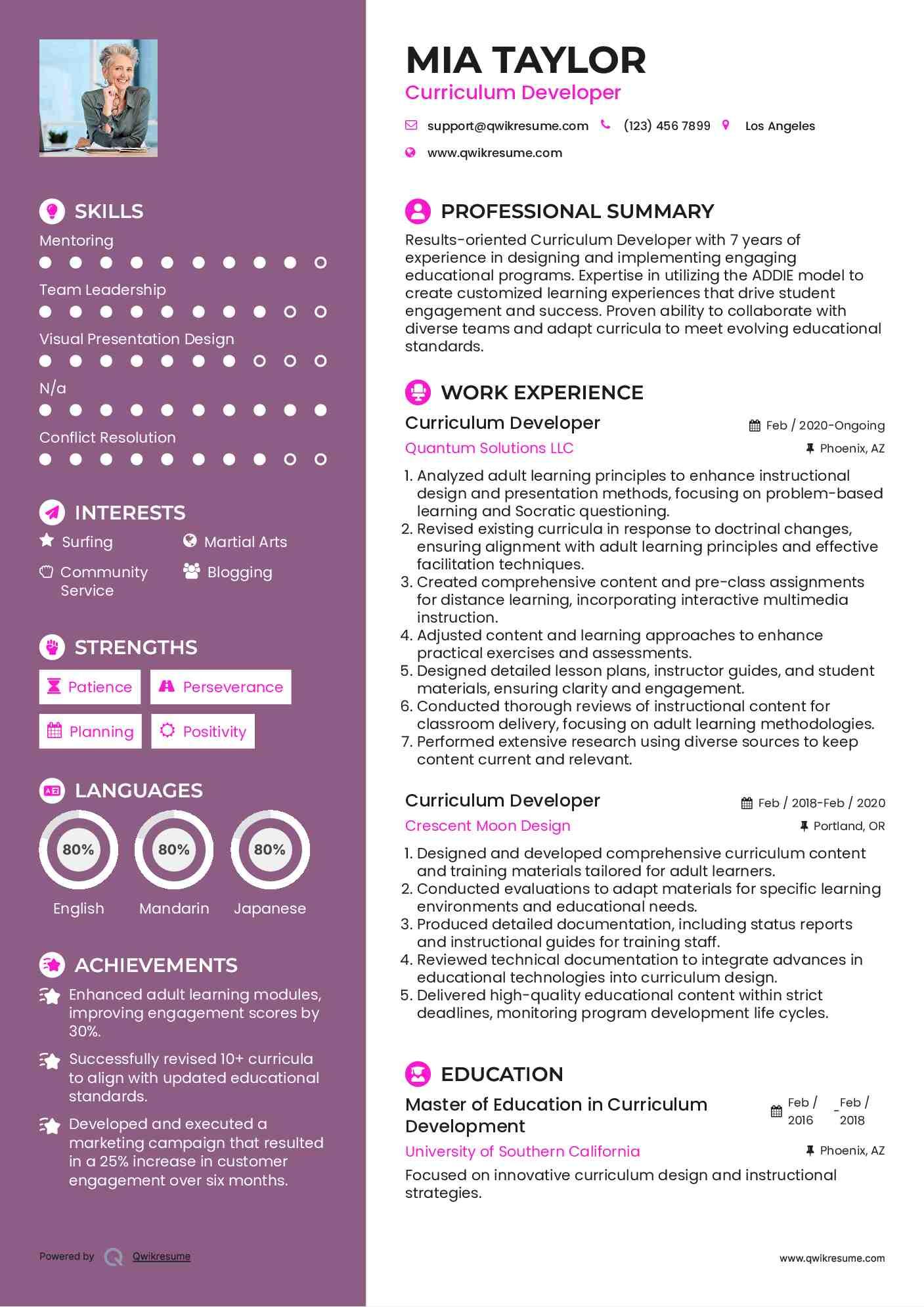
- highlight Technology Skills: In your resume and interviews, emphasize your proficiency with specific Learning Management Systems or instructional design software.
- Demonstrate Results: Share evidence of improved learning outcomes or successful curriculum implementations from your work.
Challenges in Curriculum Development
While curriculum development is a fulfilling career, it comes with it’s own set of challenges:
- balancing institutional requirements with innovative instructional practices.
- Ensuring equitable access to technology and digital resources among students.
- Adapting curricula quickly to meet changing industry standards or educational mandates.
- Managing multiple stakeholders with different priorities and perspectives.
By being proactive, staying informed, and championing evidence-based practices, curriculum developers continue to thrive amid evolving educational demands.
Conclusion: Is Curriculum Development the Right Career for You?
If you enjoy designing creative learning experiences, collaborating with diverse teams, and integrating new education technologies, a career in curriculum development might be your ideal path. Whether you aspire to work in K-12 schools, higher education, or the edtech industry, curriculum developers play a critical role in advancing teaching and learning. By honing your instructional design skills, embracing innovation, and cultivating a growth mindset, you’ll be well-positioned to succeed and make a positive impact on education’s future. Start building your skills and portfolio today, and seize the opportunities that await in this dynamic and purpose-driven field.