
What Does a Curriculum Developer Do? Role, Skills, and Career Guide
Are you passionate about education and technology? Curious about shaping the future of learning at universities, colleges, or schools? A curriculum developer plays a vital role in designing innovative educational programs and digital learning experiences. This extensive guide will help you understand what a curriculum developer does, the essential skills required, career paths, and tips to succeed in the dynamic field of education technology.
Introduction to Curriculum Progress in Education Technology
Curriculum developers are the architects behind effective and engaging learning experiences. Working within the education technology sector, they blend pedagogical knowledge with digital tools to create courses and programs tailored to modern learners. As institutions increasingly adopt online and blended learning, the demand for skilled curriculum developers who understand both education and technology continues to grow.
The Role of a Curriculum Developer: Core Responsibilities
Curriculum developers, sometimes known as instructional designers or curriculum specialists, collaborate closely with educators, technology experts, and administrators. Their main goal is to design, develop, and implement high-quality curricula that foster students’ growth, engagement, and success.
Key responsibilities of a Curriculum Developer
- Analyzing Educational Needs: Assess existing programs, student feedback, and institutional goals to pinpoint areas for betterment.
- Designing Curriculum Frameworks: Create learning objectives, course outlines, modules, and assessments that align with educational standards and desired outcomes.
- Integrating Technology: Incorporate digital tools, multimedia resources, e-learning platforms, and data analytics to enhance the teaching and learning process.
- Collaborating with Stakeholders: Work with subject matter experts, teachers, IT professionals, and administrators to ensure curriculum relevance and effectiveness.
- Evaluating and Revising Curriculum: Gather feedback, track learning data, and adjust instructional materials to improve student learning and engagement.
- Professional Development and Training: Develop training materials and lead workshops to help instructors adopt new curricula and technologies.
Essential Skills for Curriculum Developers
To thrive as a curriculum developer in education technology, professionals must possess a blend of technical, pedagogical, and interpersonal skills. Here are the most valuable competencies employers look for:
Technical Skills
- Instructional Design: Expertise in ADDIE, backward design, and other curriculum development models.
- Learning Management Systems (LMS): Familiarity with platforms such as Moodle, Canvas, Blackboard, or Google Classroom.
- Educational Technology tools: Experience using multimedia production software, authoring tools, and interactive content platforms.
- data Analysis: Ability to interpret student performance metrics and adjust curriculum strategies accordingly.
Pedagogical Skills
- Knowledge of Learning Theories: Understanding of cognitive, behaviorist, constructivist, and hybrid approaches to curriculum design.
- Assessment Strategies: Creating valid formative and summative evaluation tools.
- Differentiation: Designing inclusive curricula that address diverse learner needs and backgrounds.
Interpersonal Skills
- Collaboration: Ability to work closely with educators, technology teams, and administrative staff.
- Communication: Explaining complex concepts and curriculum structures in an accessible way.
- Project Management: Managing timelines, resources, and deliverables efficiently.
Career Pathways and Opportunities for Curriculum Developers
Curriculum development in education technology offers diverse and rewarding career opportunities.Whether you’re passionate about working with K-12 schools, higher education, or corporate training programs, there’s a path for you.
Typical Job Titles
- Curriculum Developer
- Instructional Designer
- EdTech Specialist
- Learning Experience Designer
- Education Consultant
- Academic Program Coordinator
Employment Settings
- Universities & Colleges
- K-12 Schools and Districts
- Online Schools & E-Learning Platforms
- Educational Publishing Companies
- Corporate Training Departments
Salary and Advancement
Education technology positions, including curriculum developers, offer competitive salaries based on experience, location, and expertise. With proven success and ongoing professional development, curriculum developers can advance to leadership roles such as lead Instructional Designer, Curriculum Manager, or Director of Learning Design.
Benefits of Becoming a Curriculum Developer in Education Technology
Pursuing a career as a curriculum developer in edtech provides many personal and professional benefits:
- Impact: Directly influence the learning experiences and outcomes of students across diverse backgrounds.
- Innovation: Stay at the forefront of educational trends and emerging technologies.
- Diversity: Work on a wide range of subjects, programs, and delivery formats.
- Collaboration: Develop strong professional networks with educators, technologists, and industry leaders.
- Career Growth: Access to varied advancement opportunities in education, technology, and training sectors.
How to Become a Curriculum Developer: Practical Tips for job Seekers
Ready to launch your career in curriculum development at universities,colleges,or schools? Here are practical steps to help you get started:
1. Acquire Relevant education and Training
- Earn a Bachelor’s degree in education, instructional design, curriculum studies, or a related field.
- Consider pursuing a Master’s degree or professional certification in instructional design, educational technology, or curriculum development for advanced opportunities.
2. Gain Experience
- Start by teaching, tutoring, or supporting curriculum projects to build classroom insights.
- Volunteer to help with curriculum mapping, digital course development, or assessment design projects.
3. Build Technical and Digital Skills
- Learn to use popular LMS platforms and authoring tools through online courses or workshops.
- Stay up-to-date with edtech trends such as adaptive learning, gamification, and analytics.
4. Develop Your Professional Portfolio
- Create samples of curriculum plans,digital modules,and instructional guides to showcase your skills and experience.
5. Network and Seek Mentorship
- Attend webinars, education technology conferences, or join professional associations like the International Society for Technology in Education (ISTE).
- Connect with experienced curriculum developers and seek mentorship to accelerate your professional growth.
6. Search and Apply for Curriculum Development Jobs
- Look for job postings at universities, colleges, schools, and edtech companies.
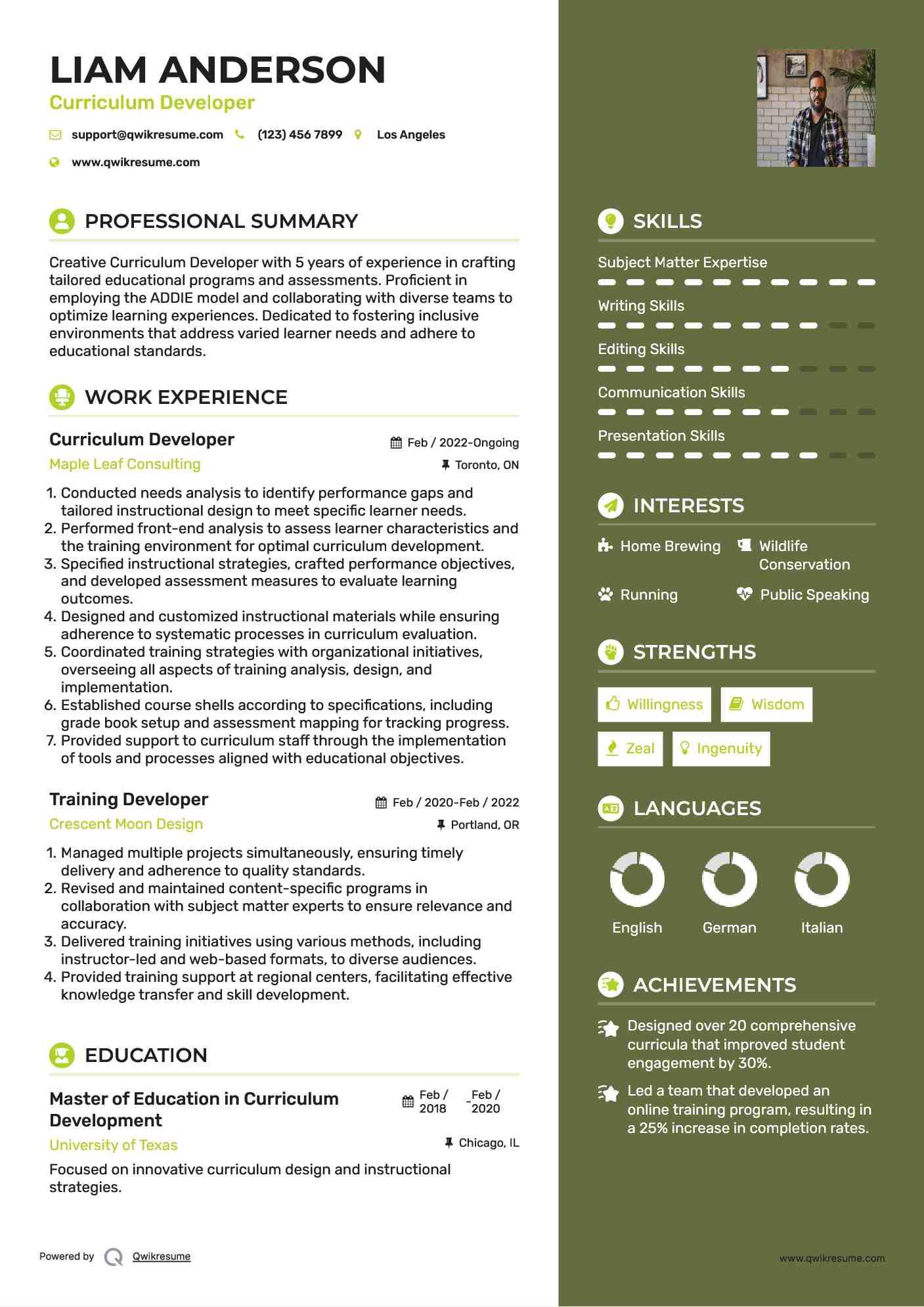
- Tailor your resume to highlight curriculum development achievements, digital skills, and collaboration experience.
Conclusion
Curriculum developers are at the heart of transforming education in today’s technology-driven world.Their work empowers learners and educators, making knowledge accessible, engaging, and effective. If you’re eager to make a difference in education while leveraging the latest digital tools and teaching strategies, a career as a curriculum developer could be your path to personal fulfillment and professional success. Start building your skills, expand your network, and explore the many opportunities within education technology—your future in curriculum development awaits!