
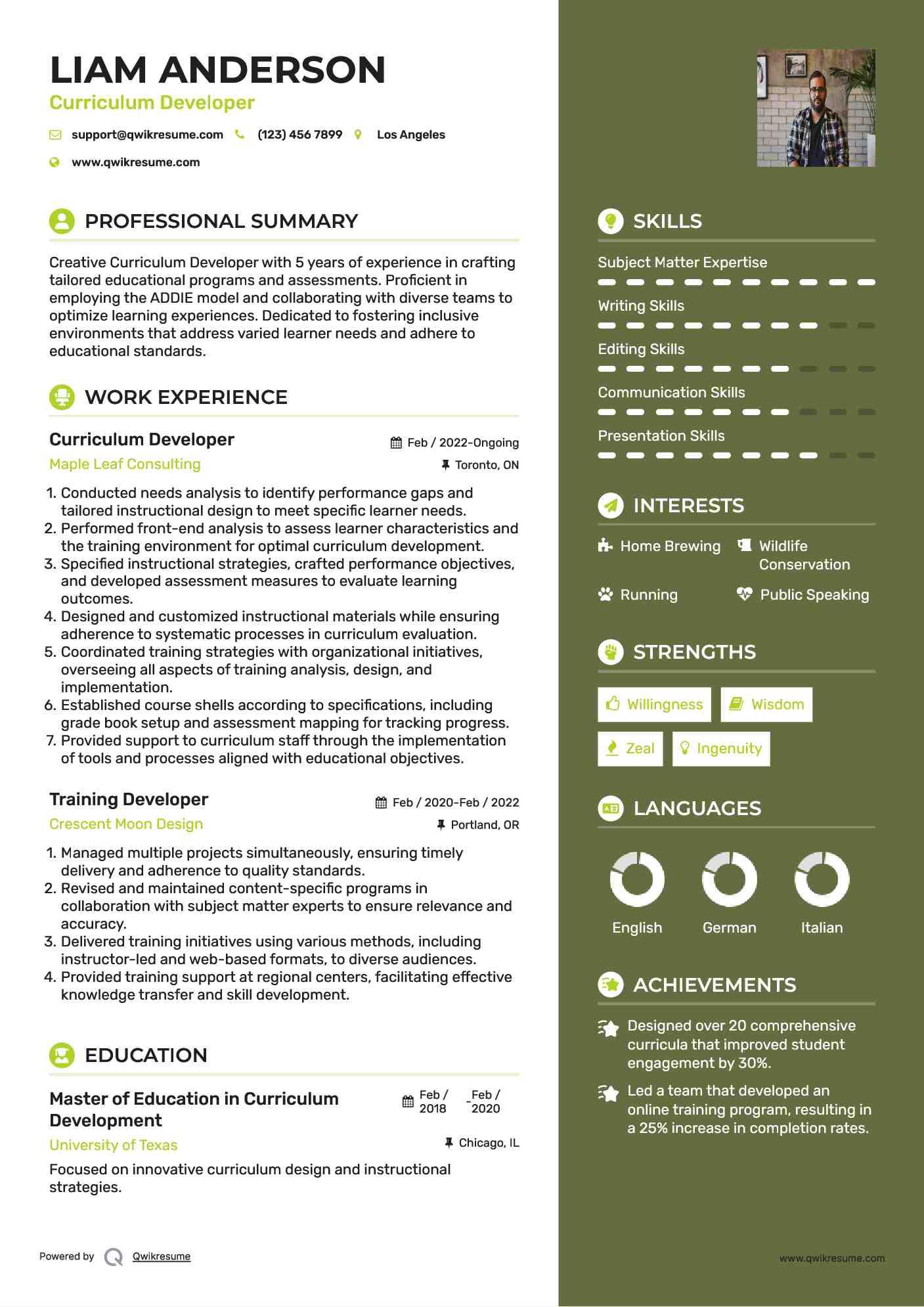
What Does a Curriculum Developer Do? Role, Skills & Career Insights
Are you passionate about shaping the future of education through technology? If you’re exploring career opportunities in education technology at universities, colleges, or schools, you may find yourself drawn to the impactful role of a Curriculum Developer. This position is at the heart of modern learning, blending pedagogical expertise with EdTech innovation to design engaging, effective, and inclusive educational experiences. In this article, we’ll dive deep into what a Curriculum Developer does, the required skills, main responsibilities, benefits, career paths, and top tips for landing a rewarding curriculum development job in the education technology sector.
Understanding the Curriculum Developer Role in EdTech
A Curriculum Developer—sometimes referred to as an Instructional Designer or Curriculum Designer—is responsible for designing, organizing, and improving educational lesson plans and materials for schools, colleges, or universities. In today’s rapidly evolving landscape,curriculum developers integrate educational technology to create interactive and adaptive learning experiences,ensuring students gain critical skills and knowledge.
Key Responsibilities of a Curriculum Developer
- Content Creation & Revision: designing curricula, lesson plans, and assessments aligned with academic standards and learning objectives.
- Technology Integration: Leveraging digital tools, learning platforms, and multimedia resources to enhance student engagement and accessibility.
- Collaboration: Working closely with educators, subject matter experts, and technology teams to ensure curriculum relevance and effectiveness.
- Needs Assessment: Evaluating institutional requirements, defining learning outcomes, and tailoring resources for diverse learner populations.
- Research & Trends Analysis: Staying up-to-date with the latest education technology trends, pedagogical theories, and best practices.
- Continuous Advancement: Collecting feedback, analyzing student performance data, and refining curricula for optimal results.
- Professional Development: Training teachers and staff on implementing new curriculum materials and technology tools.
Essential Skills for Curriculum Developers in Education Technology
To succeed as a Curriculum Developer in schools, universities, or colleges, you’ll need a blend of technical and interpersonal skills. Employers in the EdTech sector typically look for candidates with:
- Instructional Design: Expertise in creating effective and engaging instructional materials, including online courses and blended learning resources.
- Digital Literacy: Proficiency in educational technology platforms (such as LMSs), authoring tools, and multimedia content creation software.
- Research & Analysis: Ability to interpret academic standards, analyze student data, and incorporate educational research into curriculum development.
- Project Management: Skill in organizing timelines, coordinating stakeholders, and managing multiple curriculum projects concurrently.
- Communication: Clear and effective interaction with educators,administrators,and technical teams to implement curriculum changes.
- creativity & Problem Solving: Innovation in designing instructional materials and resolving curriculum-related challenges.
- Assessment Design: Familiarity with formative and summative assessment methods to measure student progress and curriculum efficacy.
- Diversity & Inclusion: Commitment to developing culturally responsive curricula that meet the needs of all learners.
Educational Qualifications & Certifications
- Bachelor’s or Master’s degree in Education, instructional Design, curriculum and Instruction, or a relevant field
- Knowledge of teaching pedagogy and curriculum standards
- certification in Instructional Design or Educational Technology (optional but beneficial)
Career Insights: Pathways & Opportunities in EdTech
The demand for skilled Curriculum Developers is growing rapidly as educational institutions integrate advanced technology into their programs. Here’s what you need to know about building a career in curriculum development:
- Typical Work Settings: Universities, colleges, K-12 schools, EdTech companies, and online learning platforms.
- Job Titles & Progression: Roles might include Instructional Designer, Academic Content Developer, Curriculum Specialist, or Education Consultant. Experience can lead to leadership positions such as Lead Curriculum Developer or Director of Instructional Design.
- salary Expectations: Salaries vary by location and institution type, but experienced curriculum developers can earn a competitive salary, often between $55,000 and $95,000+ per year.
- Remote Work Potential: Many institutions and EdTech firms offer remote or hybrid opportunities, making this a flexible career choice.
- Job Growth: As digital learning expands, the need for curriculum developers with technology expertise is expected to rise sharply.
Benefits of Working as a Curriculum Developer in Education Technology
Pursuing a role as a Curriculum Developer in the EdTech landscape offers many professional and personal benefits:
- Meaningful Impact: Shape the educational experiences and outcomes for thousands of students and educators.
- continuous Learning: stay at the forefront of educational trends, innovative technologies, and pedagogical advances.
- Collaborative Environment: work with diverse teams across academics, technology, and administration.
- Creative Expression: Design engaging, interactive materials that bring learning to life.
- Career Advancement: Access to various growth paths in academic leadership, instructional systems design, or educational consultancy.
- Job Flexibility: Opportunities for remote work, freelance consulting, or full-time employment across various institutions.
- Networking: Connect with peers at the intersection of education and technology, expanding your professional reach.
Practical Tips for Job Seekers: Landing a Curriculum developer Role in EdTech
If you’re excited about becoming a Curriculum Developer in schools, colleges, or universities, here are some actionable steps to boost your candidacy and stand out in the competitive EdTech job market:
- build a Portfolio: Showcase curriculum materials, lesson plans, online modules, and technology integrations you have designed or contributed to.
- Gain Technical Skills: Get hands-on experience with LMS platforms, software authoring tools, and educational apps commonly used in your target institutions.
- Pursue Relevant Certifications: Consider earning credentials in instructional design (e.g., ATD, ISTE) or EdTech to enhance your qualifications.
- Network: Join education technology associations, attend webinars, and participate in online communities to meet curriculum professionals and hiring managers.
- Stay Current: Read academic journals, EdTech blogs, and institutional reports on curriculum trends, teaching methods, and technology adoption.
- Develop Soft Skills: strengthen your communication, collaboration, and project management abilities—these are highly valued in curriculum development roles.
- Target Applications: Tailor your resume and cover letter for each position, emphasizing your experience with technology-driven curriculum projects and student-centered design.
- Highlight Impact: Use metrics and feedback to demonstrate how your curriculum work improved student achievement or engagement.
Interview Preparation Tips
- Prepare to discuss examples of curriculum projects you’ve developed, especially those involving technology or instructional innovation.
- Articulate your approach to aligning curricula with standards and ensuring accessibility for diverse learners.
- Demonstrate familiarity with the institution’s mission and current curriculum challenges.
- Provide insights into future trends in education technology and how you would adapt your work to stay ahead.
Conclusion: Is a Curriculum Developer Career Right for You?
Pursuing a career as a Curriculum Developer in education technology makes you an architect of learning, directly impacting how students and educators experience knowledge. By combining instructional design expertise with a passion for EdTech, you’ll play a key role in creating dynamic, accessible, and high-quality curricula for schools, colleges, and universities. If you’re tech-savvy, creative, and committed to lifelong learning, this rapidly expanding field offers rich opportunities for professional growth, meaningful contribution, and personal fulfillment.
Whether you’re just entering the education technology sector or seeking to advance your curriculum development career,apply the practical tips above to position yourself for success—and start making an impact in the classroom of tomorrow.